
Seeking Art Movements: Redesigning Access, Redesigning Power
As we sat with questions from the first part of the essay—about who gets to enter, who gets to speak and how institutions design belonging—it became clear that exclusion is not only about access to spaces. It is also about what kinds of art are allowed to exist, circulate and be remembered. If the first part was about the architecture of entry, the second part of this edited transcript from my presentation at the panel “Designing Access, Designing Power,” held in conjunction with the India Art Fair on 7 February 2026, examines the architecture of value.
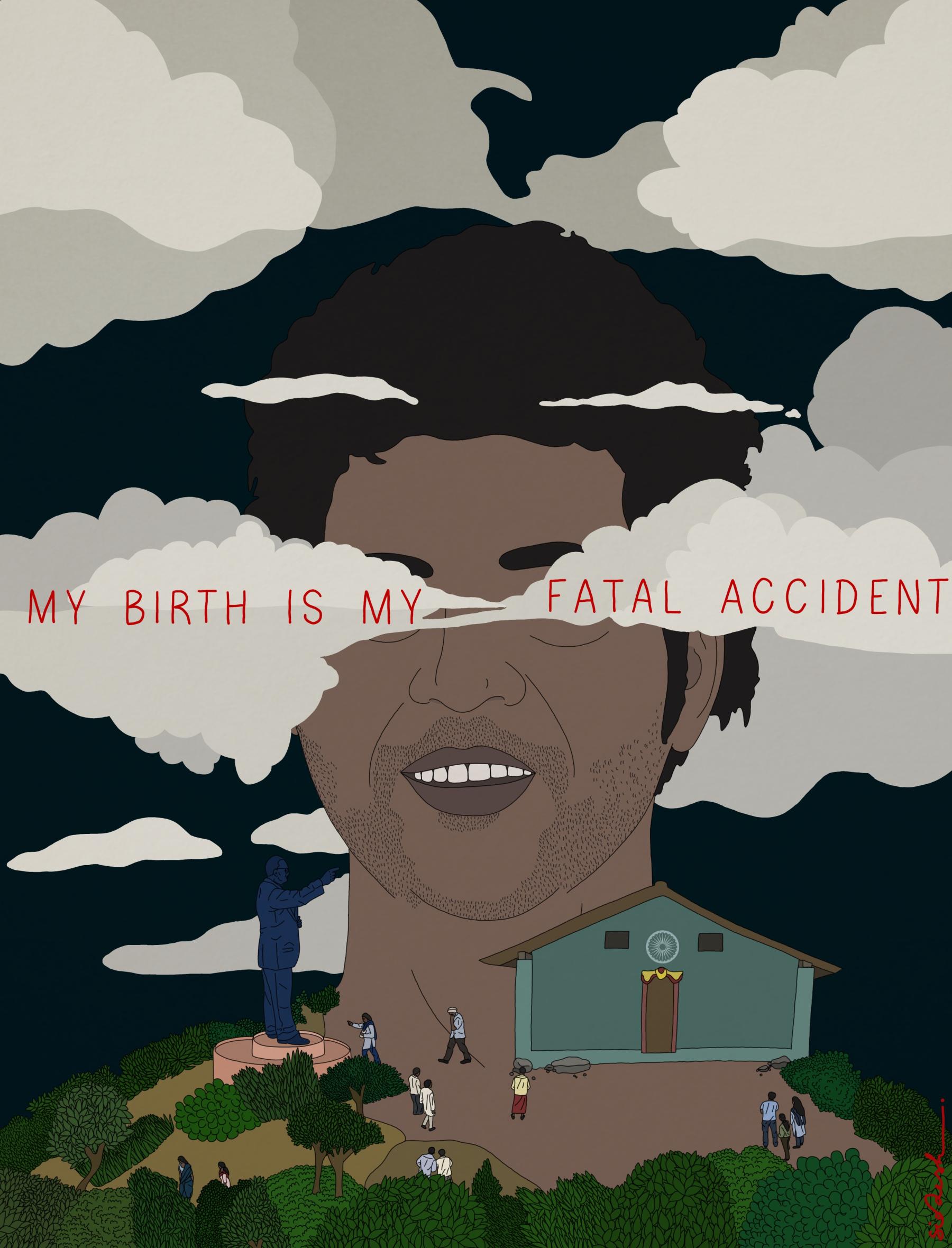
Even with the existing art practices, at any moment, two kinds of art exist. Both might have been created in loneliness. Both might have been created with emotions and feelings. Both might have been created with “good” intentions. But one is created in privilege and the other is devoid of it.
One is packaged, curated, circulated and archived. A fragment of artistic life made legible for markets and institutions. It lives more in catalogues than in people. It is hardly touched but claims to have touched many lives. It is hoarded rather than presented. It is kept away from the eyes and touch of the people. It is afraid of people’s reactions.
The other is created and lives in courtyards, kitchens, workshops, protests, fields, shops, factories, classrooms and homes. It is made through self-funding, daily labour, odd jobs and collective memory. It travels through symbols, motifs, songs, rituals, designs, tattoos, tools, stories and gestures.
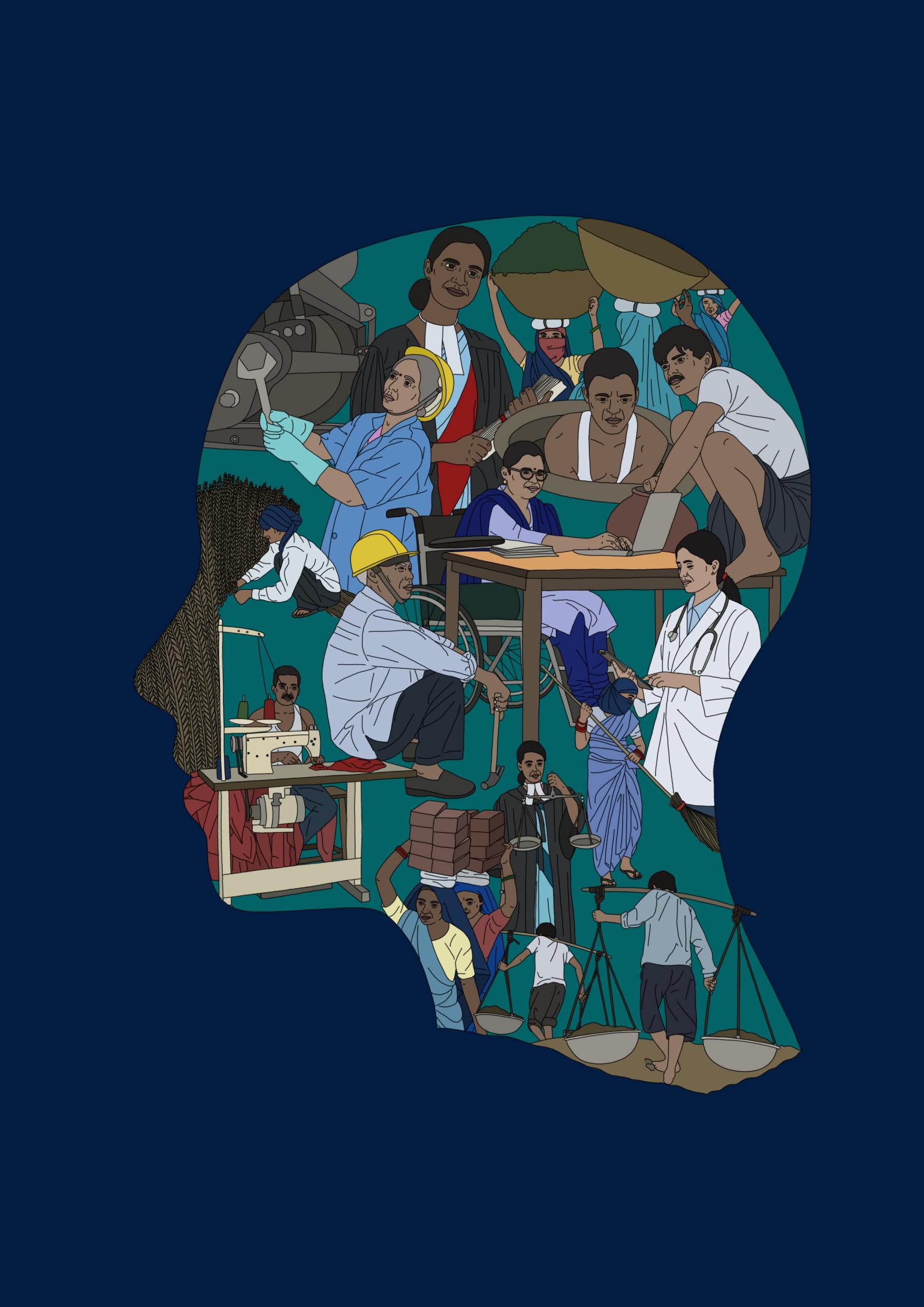
It participates in ceremonies of births, marriages and funerals. It holds grief and joy together. It is inherited through breath, not contracts. This art is rarely called “contemporary.” It is rarely funded. It is rarely archived. Not because it lacks depth, but because it is not pessimistic. It screams hope. This hope is documented and reworked, through people and through memory. And hope is difficult to control. Hope is difficult to stop. Hope creates dreamers who want more, who expect more and who deserve more. Hope asks questions. Hope seeks answers. Hope is a precursor to change, the kind of change that the art institutions seem to be afraid of.
Then come questions such as: Who documents whom? Who controls the archive?
Too often, communities become raw material. Their lives are mined for content, their struggles aestheticised and their grief curated. It is called “research.” It is called “engagement.” But extraction wears many masks. Democratic art does not represent communities. It is created by communities.
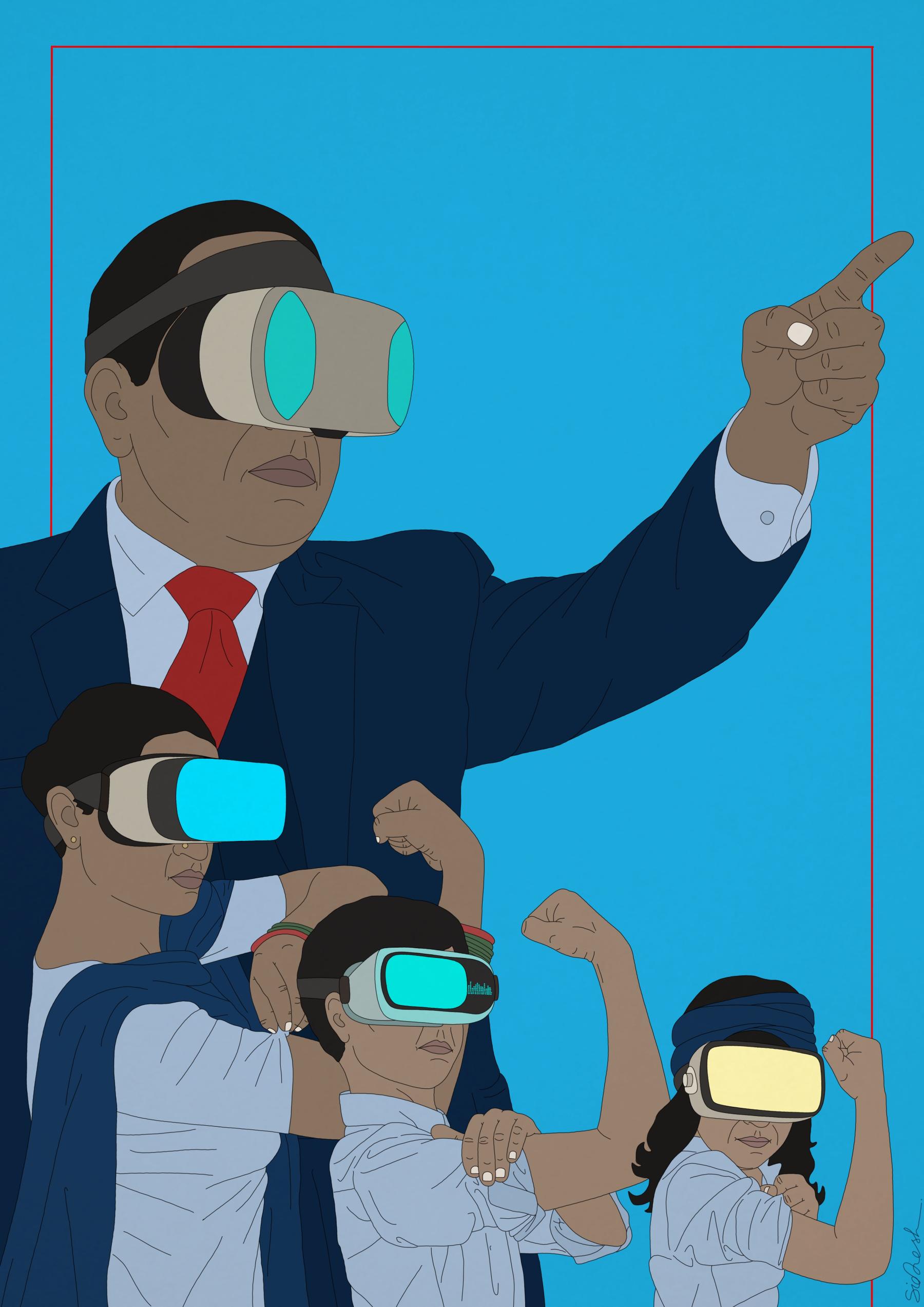
So perhaps the question is not: How do we enter these spaces? Perhaps the question is: Why do we keep waiting for them?
We do need spaces. And we need them now. To create. To express. To exhibit. So rather than waiting for the spaces to be opened for us, what if we built our own spaces?
What if exhibitions happened in wedding halls, school verandas, garages, godowns, rooftops, markets and bus stops?
What if our patrons were tea sellers, auto drivers, domestic workers, farmers and shopkeepers?
Not audiences but participants.
Not consumers but co-authors.
The more dirt your art accumulates, the more it values. Because dirt is evidence of touch, circulation, struggle and presence.
Clean art is often untouched art. Untested art. Dead art. Living art is scratched, stained, interrupted, mutated, argued with and reclaimed.
Then comes the question of language. Not just the language but also the diction and accent. English is not just a medium. It is a gate. It decides who gets published and who disappears. A democratic art must be multilingual, accented and unapologetically messy. It must also be slow with a longer impression.
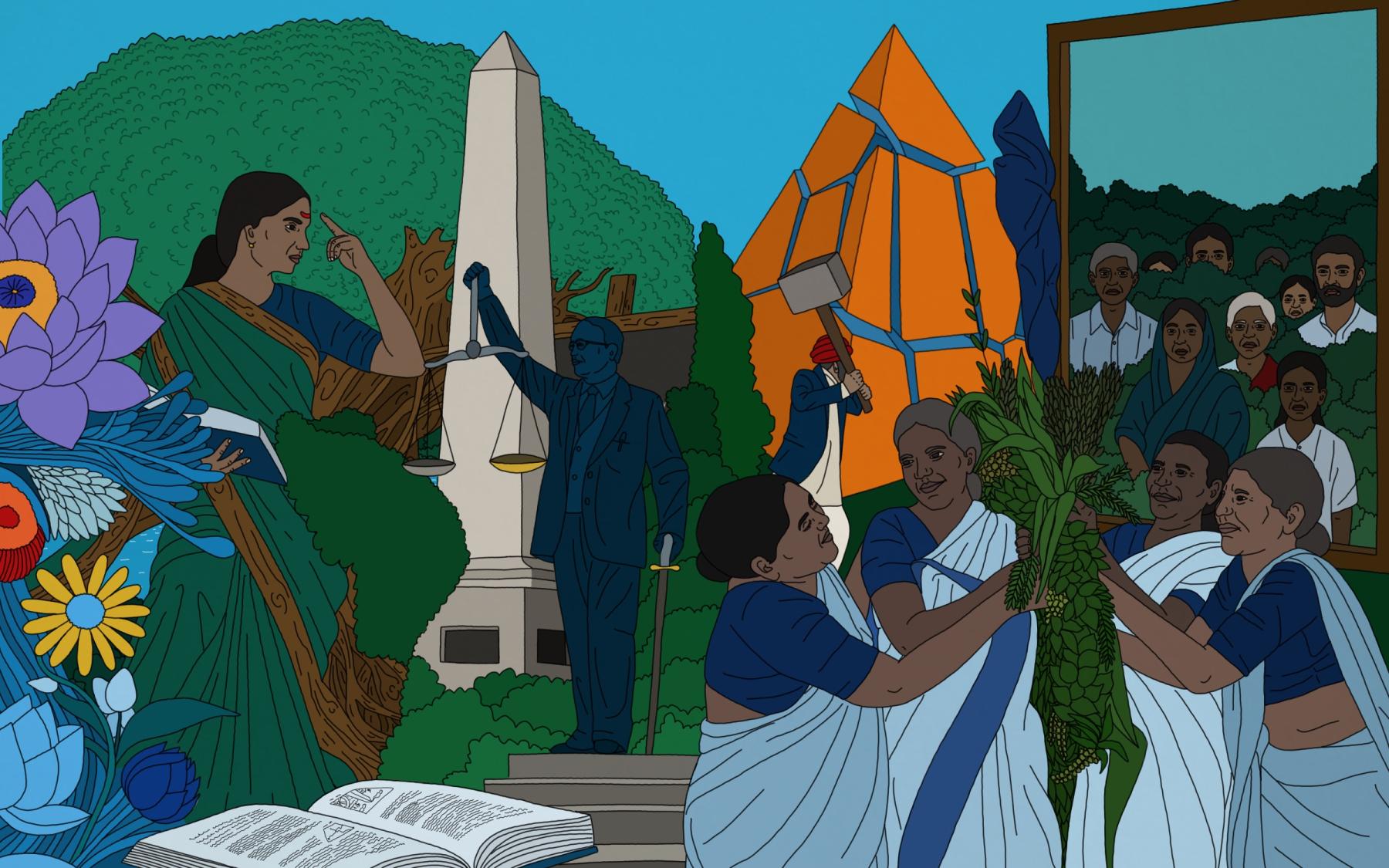
Institutions want projects. And communities need processes. Institutions want outcomes. Communities need relationships. And democratic art listens. It returns. It stays.
Today, I do not come to be critical of this fair or any art practice. Today, I do not come here to seek your validation.
Today, I come here to seek dreamers, futurists, philosophers and makers. Artists and thinkers coming together in classrooms, living rooms, streets, reading circles, tea shops and video calls. I come here to seek hope.
I am tired of learning “isms” through Western genealogies and Brahmanical filters. I am tired of being told that universality has one accent, one grammar, one skin colour. Our histories are foundations, not footnotes. Our aesthetics are origins, not alternatives. Our languages are standards, not subtitles. We will not let our knowledge system to be either downgraded or sidelined.
Democratising art is not about free entry. It is not about diversity panels. It is not about seasonal inclusion as per political trends. It is about rethinking art itself.
Co-creating space.
Co-creating value.
Co-creating memory.
Co-curating circulation.
Co-curating permanence.
And being co-cursed for erasures.
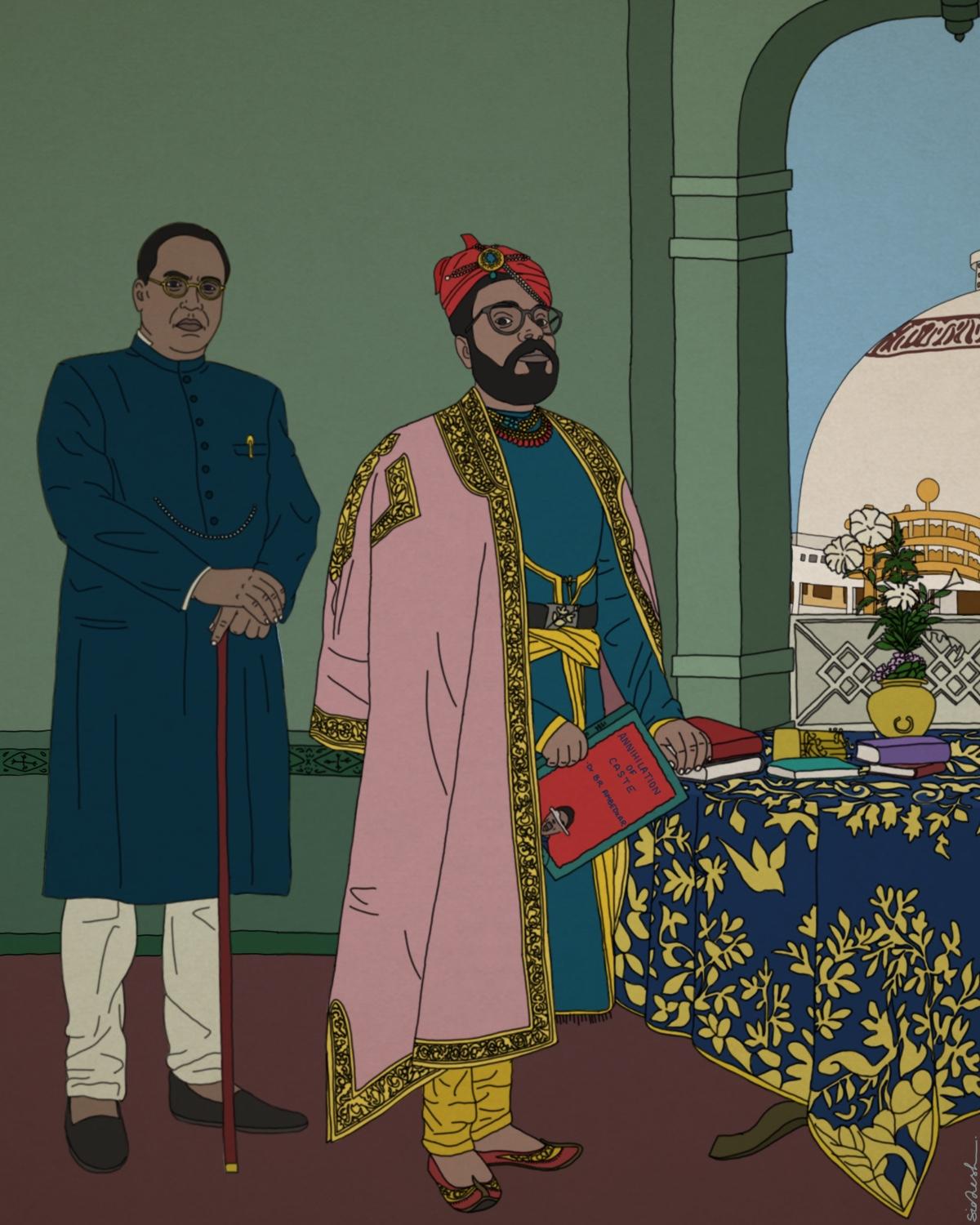
Today, I am here to recruit an art platoon. Not soldiers of institutions, but builders of commons. Thinkers, doers and dreamers. People who will create new museums without walls, archives without guards and residencies without visas. People who will refuse extraction, refuse tokenism and refuse ornamental solidarity. People who will make art where people already are. Who will honour knowledge where it already lives. Who will trust imagination where it already breathes.
For this, we do not need one art movement. For this, we need many. Movements that multiply. That migrate. That mutate. That disobey. That curse. That commemorate. That forget. That forgive.
Democracy is not an invitation. It is a practice in how we share, how we listen, how we disagree, how we repair and how we remember. Art does not become democratic when institutions become kinder.
Art becomes democratic when communities become sovereign.
Jai Bhim.
Jai Savitri.
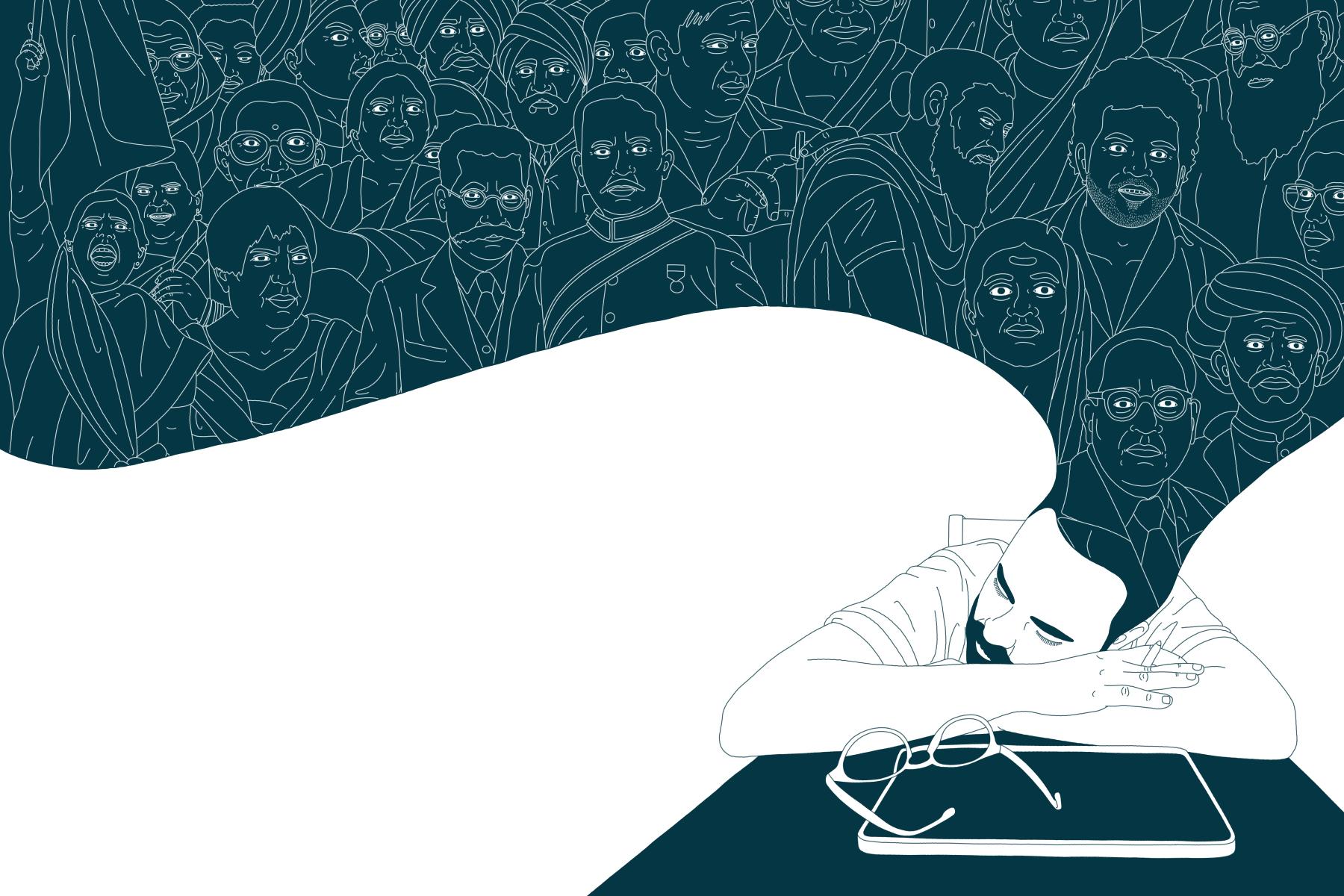
In case you missed the first part, read it here.
To learn more about artists highlighting the exclusionary nature of the art world, read Mallika Visvanathan's interview with Sandeep TK about his series Toy Boy from Malabar and His Journey to Wine Cheese and Chocolates (2023).
To learn more about artists and curators adopting more inclusive and accessible practices in art, watch Arushi Vats’ conversation with Diwas Raja KC on the ideas and frameworks shaping Dalit: A Quest for Dignity (2018) and Mallika Visvanathan’s conversation with Diwas Raja KC on PhotoKTM6’s curatorial programming, which brought together diverse artists and explored collectivisation through public programmes. Also read Anoushkha Prasad’s essay on the panel "Framing Photographic Practice," reflecting on contemporary artistic and curatorial practices.
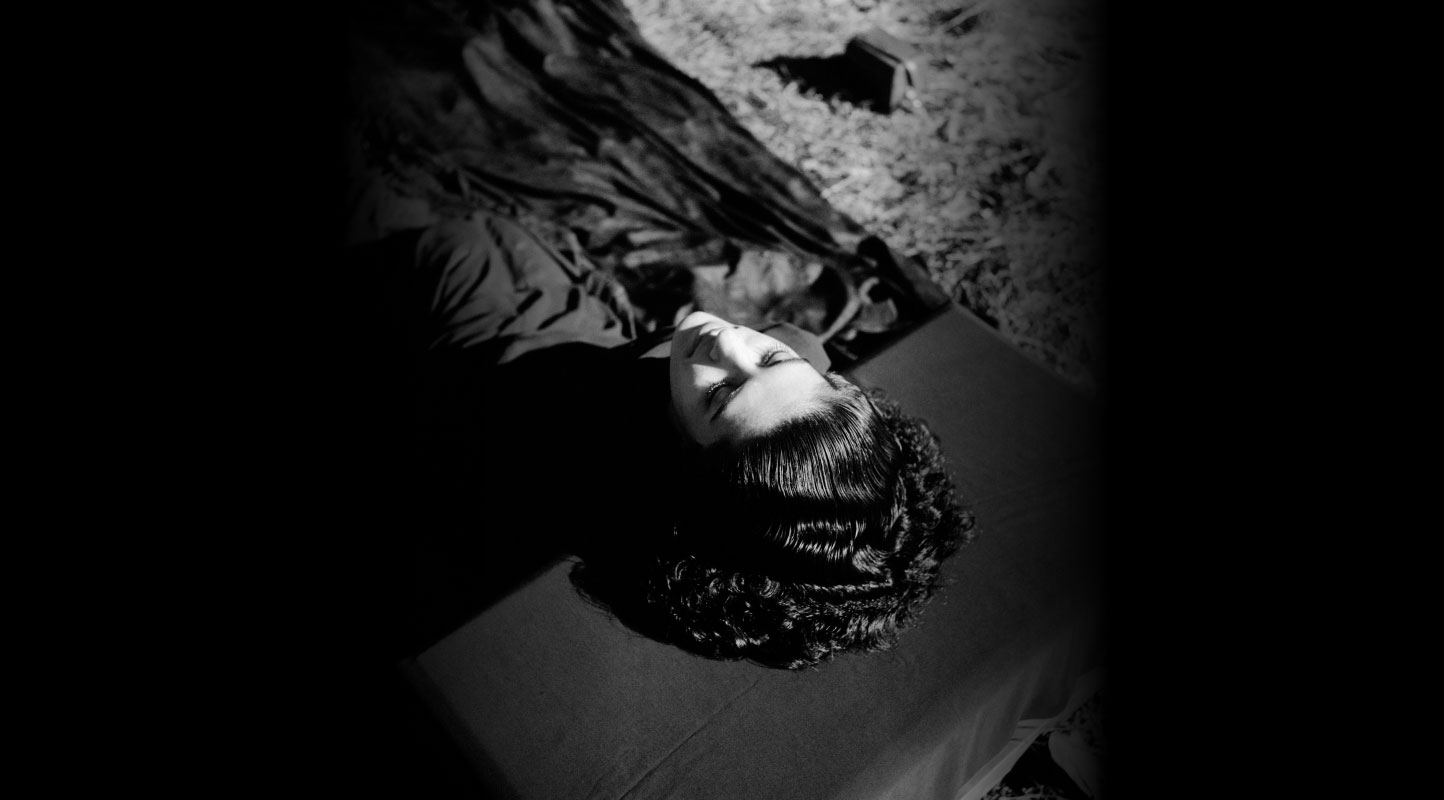
All works by Siddhesh Gautam. Images courtesy of the artist.