

What We're Reading
1
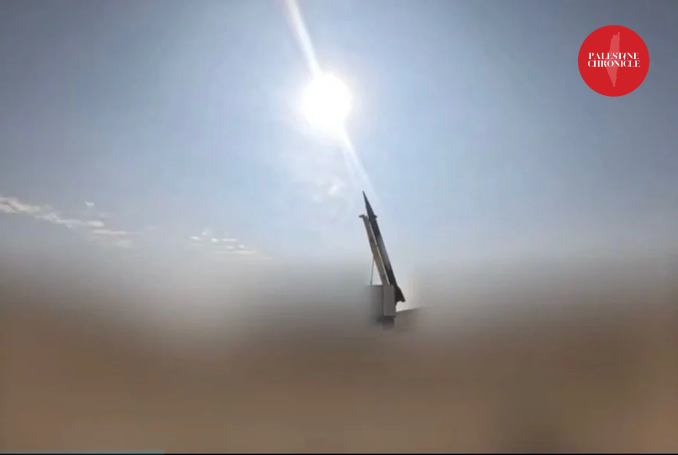
M. Reza Behnam. “Harvest of Chaos: The US and Israel War on Iran.” The Palestine Chronicle, 24 May 2026.
M. Reza Behnam writes about the US and Israel’s war on Iran as a hubristic project of regime change, driven by the belief that dismantling a single leader would cause the entire Iranian system to collapse. Framing the conflict instead as a war of survival for Iran against decades of sanctions, destabilisation and attempts at balkanisation, Behnam argues that the sustained assault on officials, infrastructure and cultural sites has pushed West Asia into a state of “controlled chaos,” reshaping regional stability and global energy networks.

2
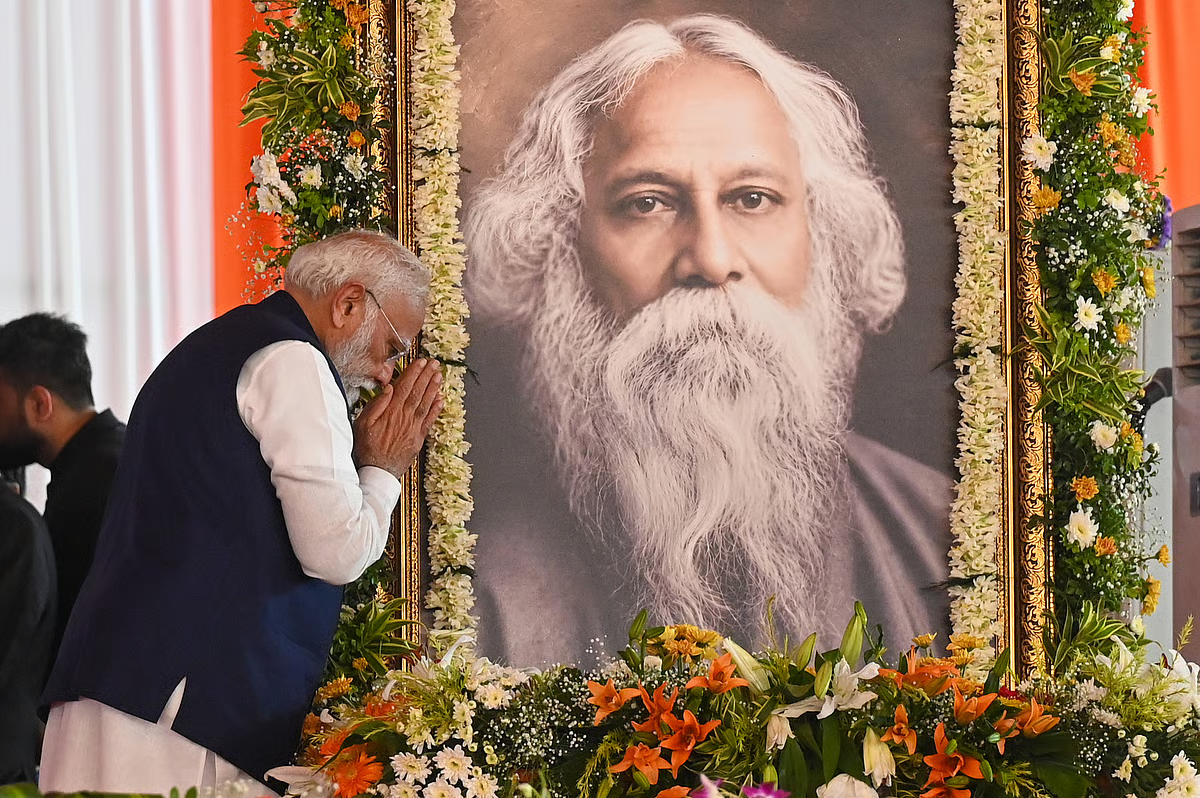
Ankush Pal. “The BJP’s Victory in West Bengal Belies Bengali Exceptionalism and Bhadralok Liberalism.” Himal Southasian, 19 May 2026.
Ankush Pal reflects on the victory of Bharatiya Janata Party in West Bengal as a rupture in the long-held myth of Bengali secular exceptionalism, arguing that the rise of Hindutva in the state is deeply rooted within the caste and cultural history of the bhadralok elite itself. Pal contends that the BJP’s ascent exposes the historical continuities between bhadralok dominance and the exclusionary politics that have long shaped Bengal’s social imagination.
3
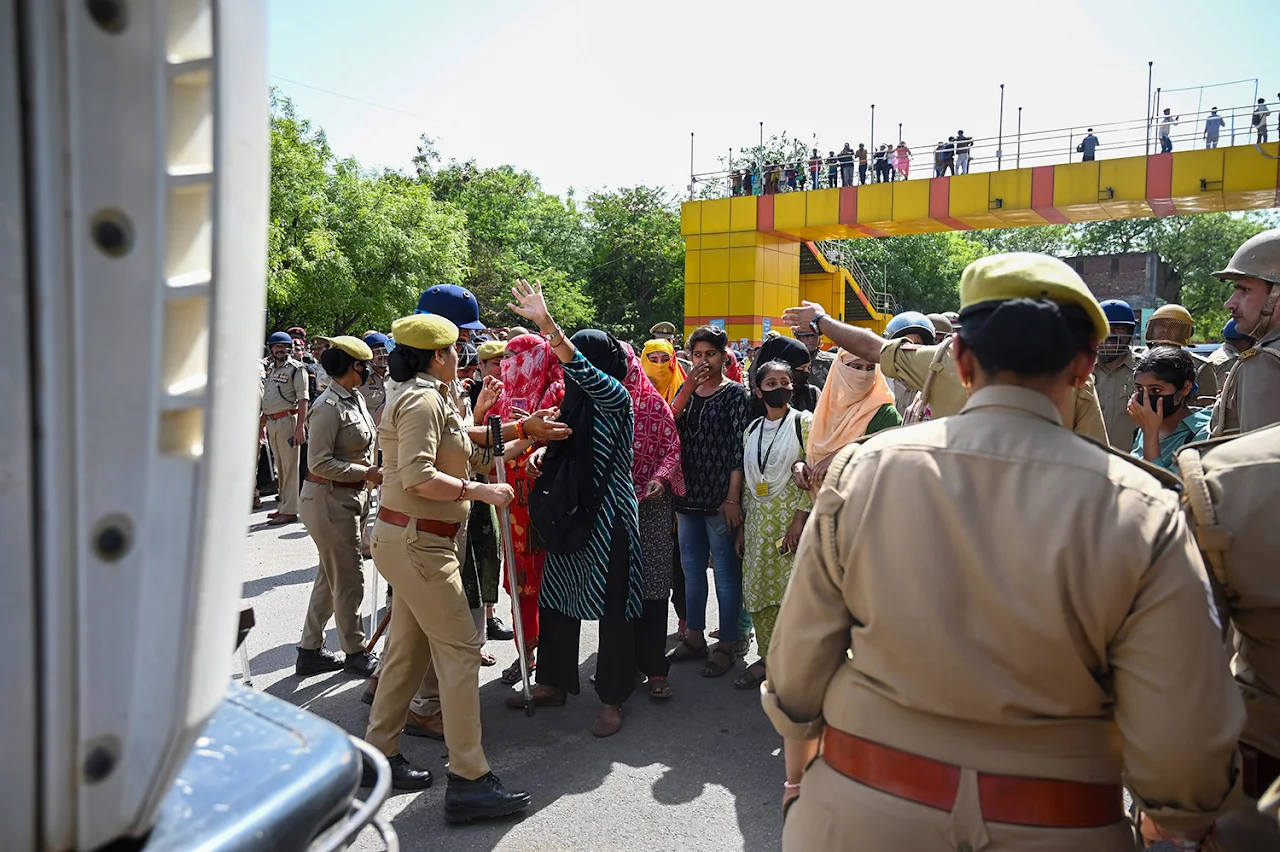
Akhilesh Pandey. “Between Hammer and Anvil: Noida Workers Battle Corporate Exploitation and Police Repression.” The Caravan, 30 April 2026.
Akhilesh Pandey examines the Noida workers’ strikes as a struggle against corporate exploitation and state repression, where demands for fair wages and dignified working conditions were met with police violence, arrests and disappearances. Through the experiences of workers and families outside Kasna jail, Pandey frames the protests as a broader fight for survival, dignity and collective resistance in contemporary Indi
4
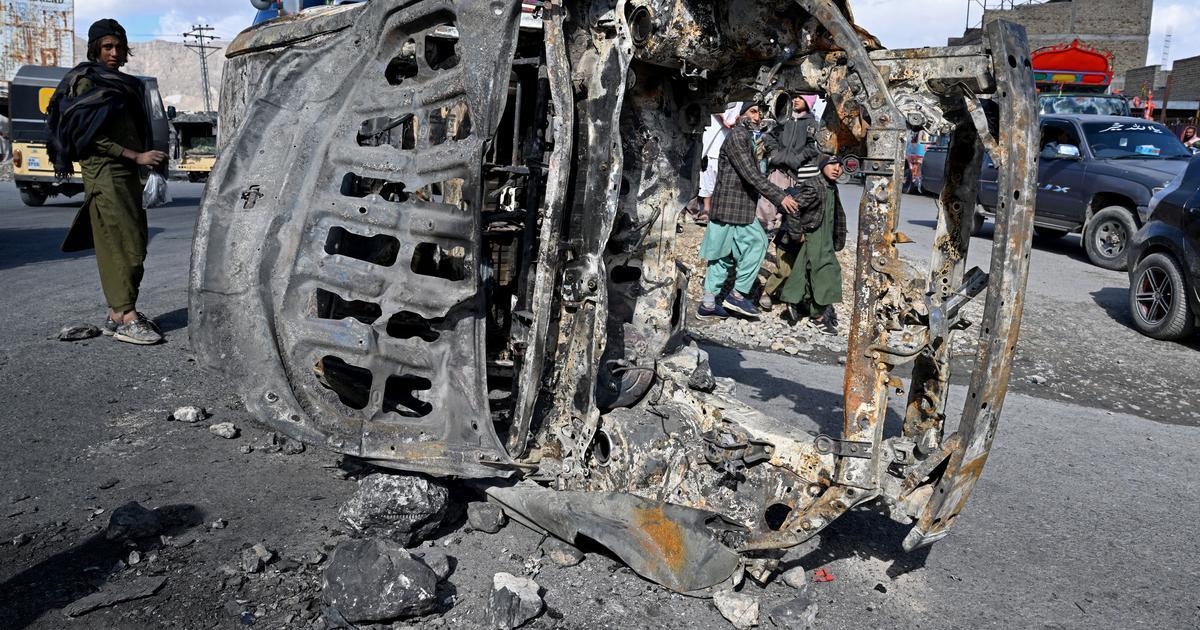
Amira Jadoon and Saif Tahir. “Pakistan: Why the Uptick in Violence in Balochistan Now?” Scroll.in, 22 May 2026.
Amira Jadoon and Saif Tahir trace the recent surge of violence in Balochistan through a series of insurgent attacks in April 2026, followed by the foiling of a suicide bombing plot in Islamabad involving a young Baloch girl. Situating these incidents within the longer history of separatist insurgency, state repression and political alienation in Pakistan’s largest province, they argue that the escalation reflects a deepening crisis of governance and resistance in the region
5
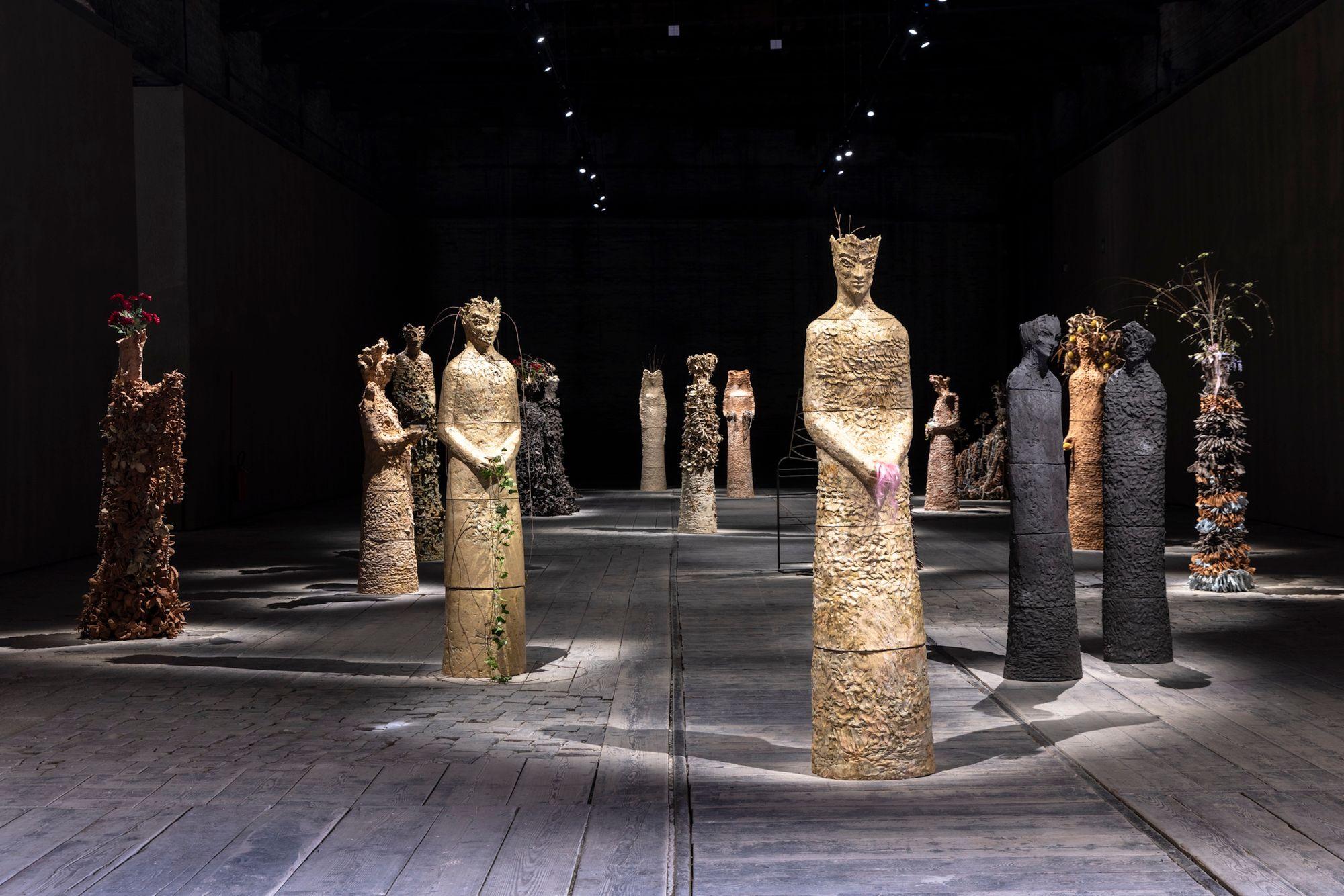
Quinn Latimer. “61st Venice Biennale, Pavilions and Satellites.” e-flux Criticism, 21 May 2026.
Quinn Latimer examines the 61st Venice Biennale through its movement from the visual toward sound, language and silence, arguing that this shift reflects a growing distrust of image-based regimes shaped by surveillance and war. Situating the Biennale within protests over Gaza and debates around institutional complicity, Latimer explores how the exhibitions grapple with mourning and the limits of representation.
6
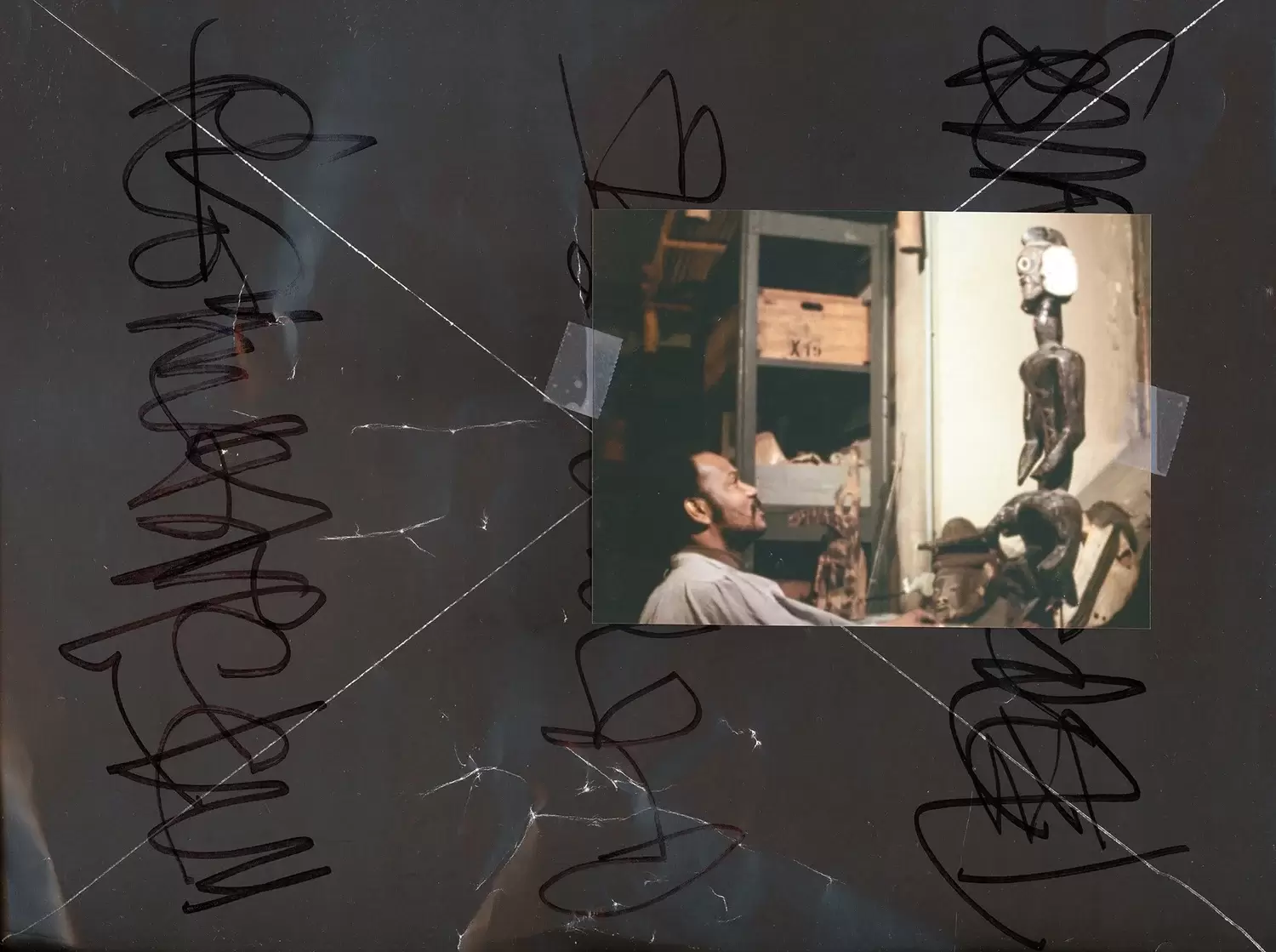
Kaleem Hawa. “Non-Closure Island: In the Furrow of Genre.” Parapraxis, December 2025.
Kaleem Hawa examines how Aimé Césaire and C.L.R. James approached the Haitian Revolution through the literary form of romance, where the promises of anticolonial struggle gradually moved toward tragedy and disillusionment. Tracing the transition from romance to surrealism, Hawa argues that surrealism did not break from romance but extended its critique from within, as revolutionary writing grappled with questions of enclosure, collective sovereignty and Black political imagination.
7
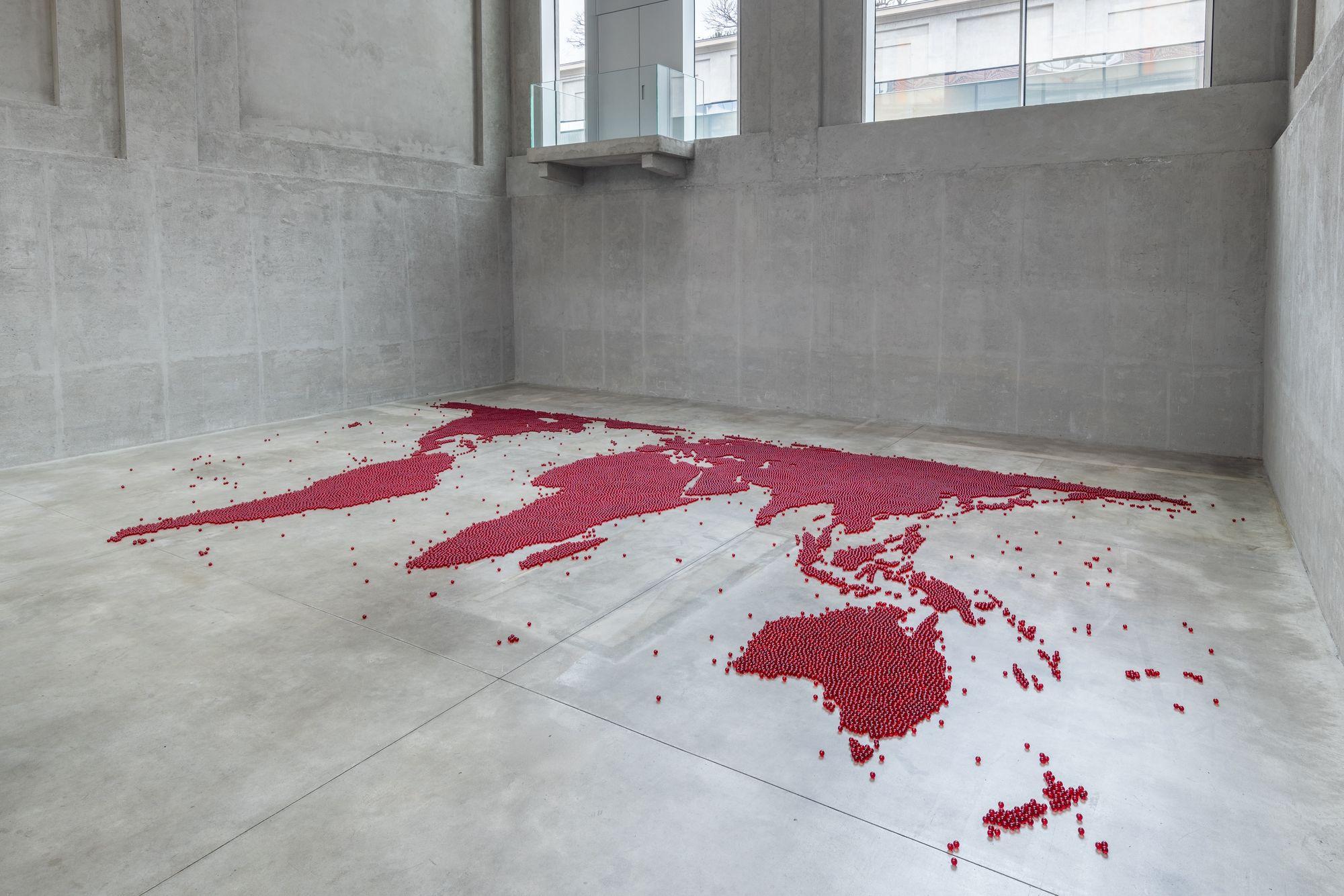
Kaelen Wilson-Goldie. “Mona Hatoum’s Over, under and in between.” e-flux Criticism, 24 April 2026.
Kaelen Wilson-Goldie reflects on Over, under and in between by Mona Hatoum, which uses fragile materials and sparse spatial arrangements to evoke instability and displacement. Situating the exhibition alongside Hatoum’s trajectory from Beirut to London and her resistance to being reduced to a singular political identity, Wilson-Goldie examines how the works sustain tensions between intimacy and danger, transforming everyday objects into quiet expressions of precarity and political uncertainty.
8
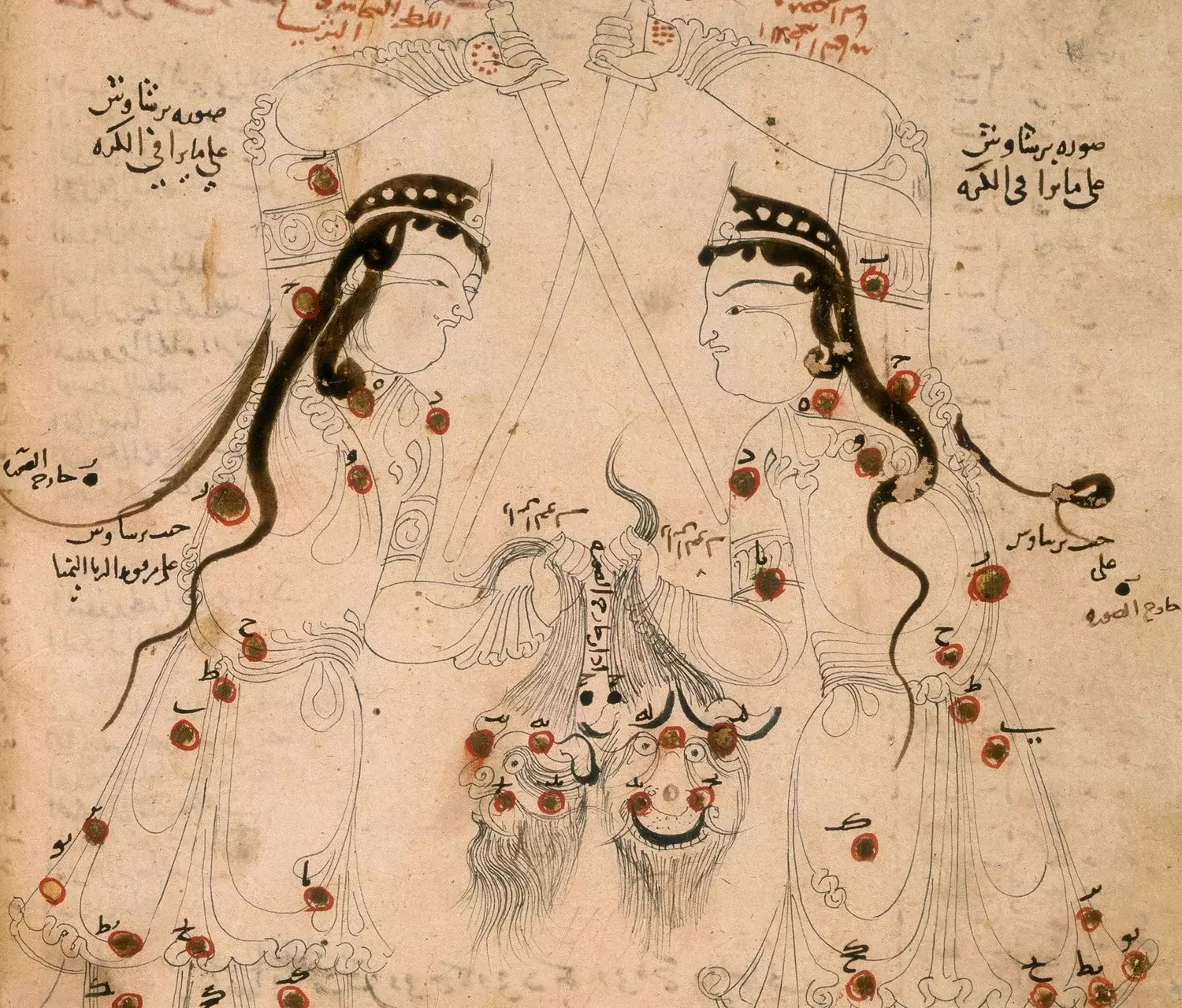
Omid Mehrgan. “Rendering Tehran Bombardable: Notes on a Self-Targeting Subjectivity.” Parapraxis, 2026.
In the aftermath of the genocide in Gaza, Omid Mehrgan examines the 2025 war on Iran through what he calls a “self-targeting subjectivity,” arguing that contemporary imperial violence works by making populations internalise the logic of their own bombardment. Moving through the media discourse and political rhetoric, Mehrgan shows how the language of human rights, liberation and dissent can be repurposed to render entire societies politically defenseless and targetable.
9

Ayush Tiwari, Raghav Kakkar and Priyali Dhingra. “Meet the Factory Workers Training AI to Replace Themselves.” Scroll.in, 22 May 2026.
Ayush Tiwari, Raghav Kakkar and Priyali Dhingra investigate the unsettling future of labour in India through textile workers in Gurugram who were asked to wear head-mounted cameras that recorded their movements on factory floors. Tracing how this first-person footage is collected by AI startups and sold to global tech firms to train robots, they reveal a growing anxiety among workers who fear they are effectively training the technologies that may eventually replace them.
10
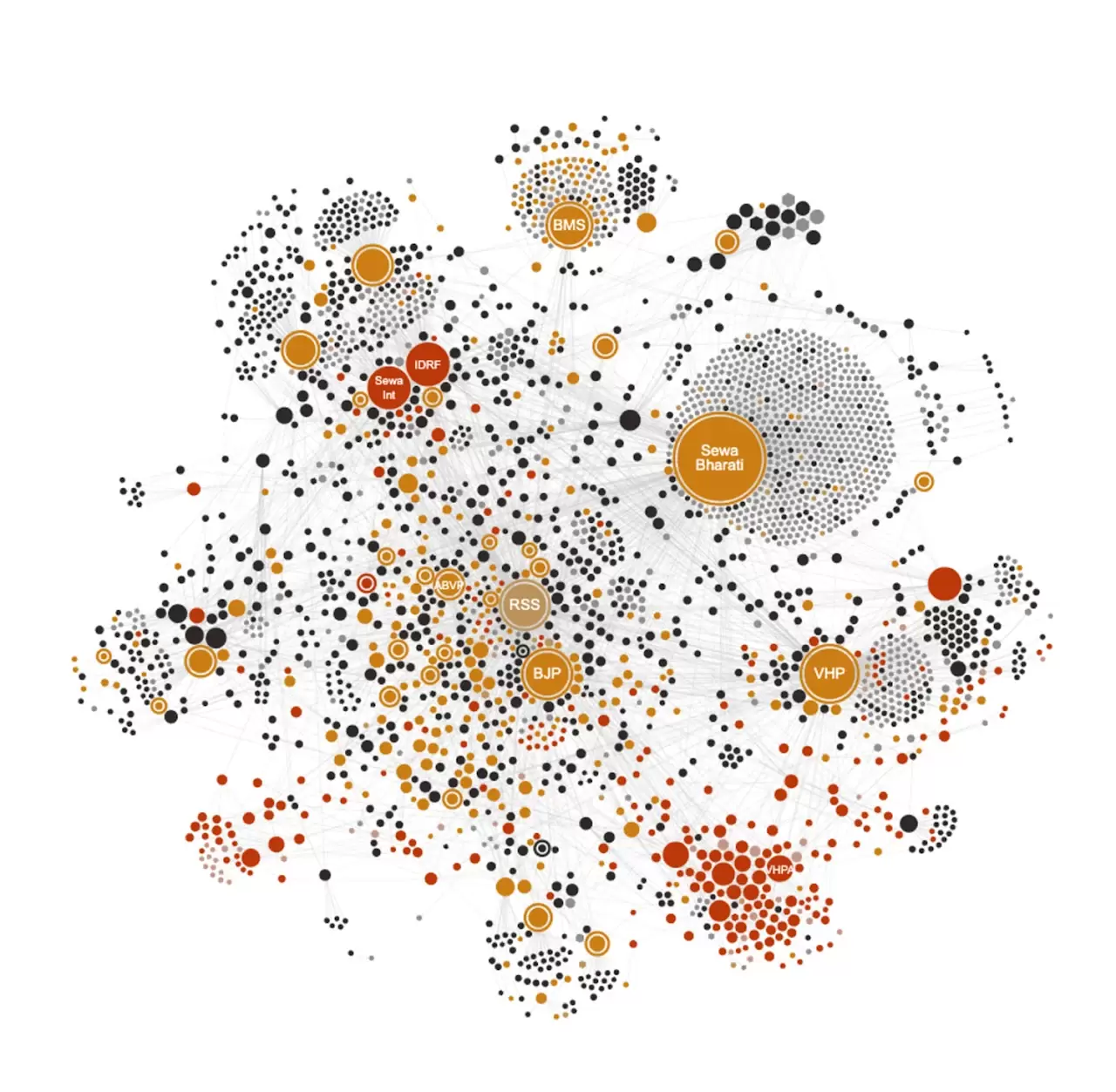
Felix Pal. “Unveiling the RSS: Exposing the Largest Far-Right Network in History.” The Caravan, 11 December 2025.
Felix Pal investigates the Rashtriya Swayamsevak Sangh (RSS) as a vast and deliberately opaque organisational network that extends far beyond its officially acknowledged affiliates, arguing that the RSS functions not as a loose ideological family but as a tightly coordinated political organism. Drawing on a six-year research project mapping over 2,500 interconnected organisations, Pal reveals how the Sangh expands its influence through overlapping bureaucracies, educational trusts, welfare bodies, diaspora funding networks and grassroots institutions, transforming itself into what he describes as the infrastructural core of Hindu nationalist power in India.
11
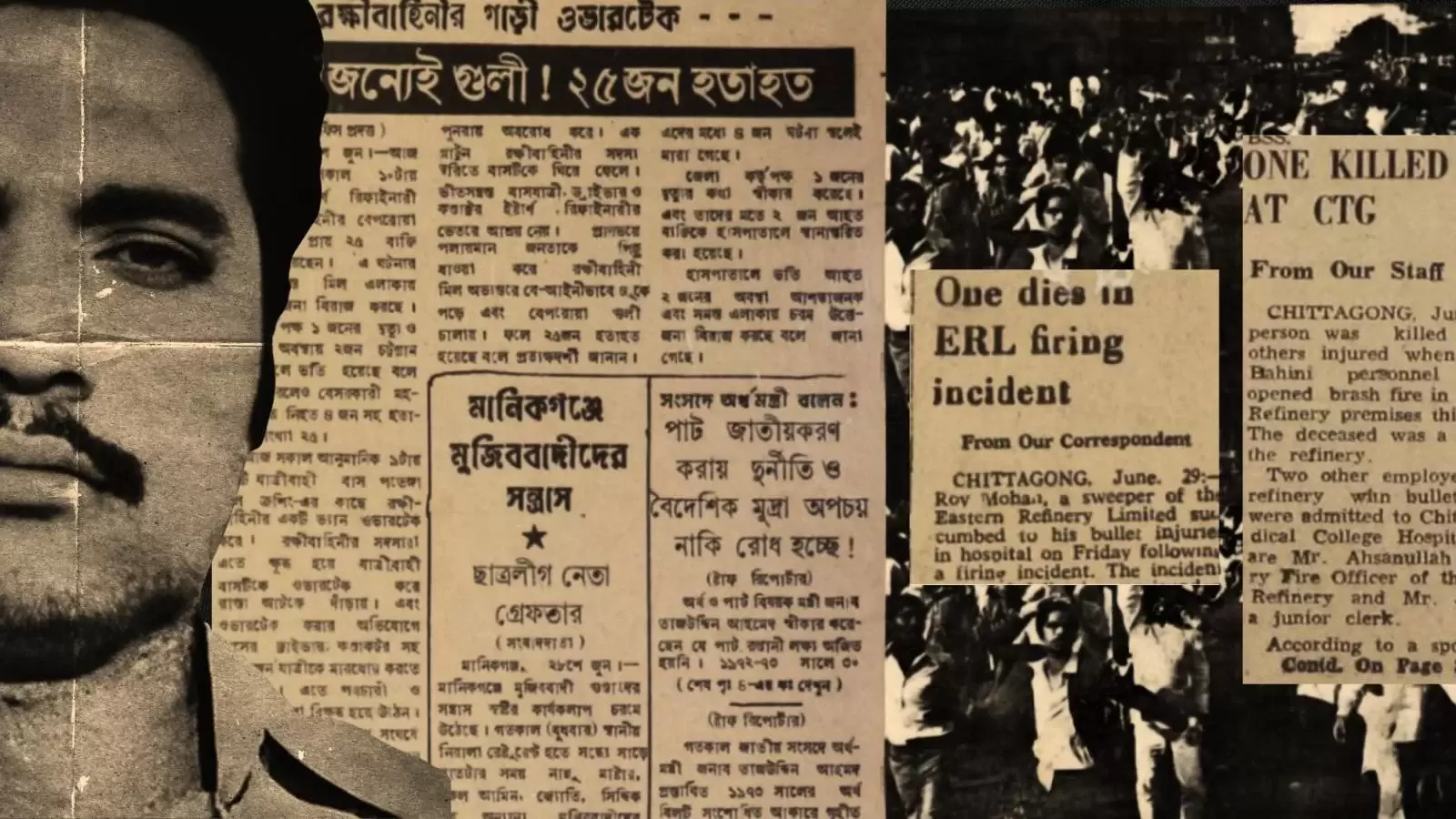
Ifaz Khan. “The Forgotten Massacre of the Left in Bangladesh.” Jamhoor, 2 April 2026.
Ifaz Khan revisits the violent repression of Bangladesh’s Left in the years following independence, tracing how the hopes of building an egalitarian post-1971 nation quickly collapsed into authoritarianism, corruption and political violence under the Mujib government. Drawing attention to the role of the Rakkhi Bahini in targeting socialist and communist groups through disappearances, torture and assassinations, Khan argues that the massacre and erasure of the Bangladeshi Left remains a neglected chapter in the country’s political history.
12
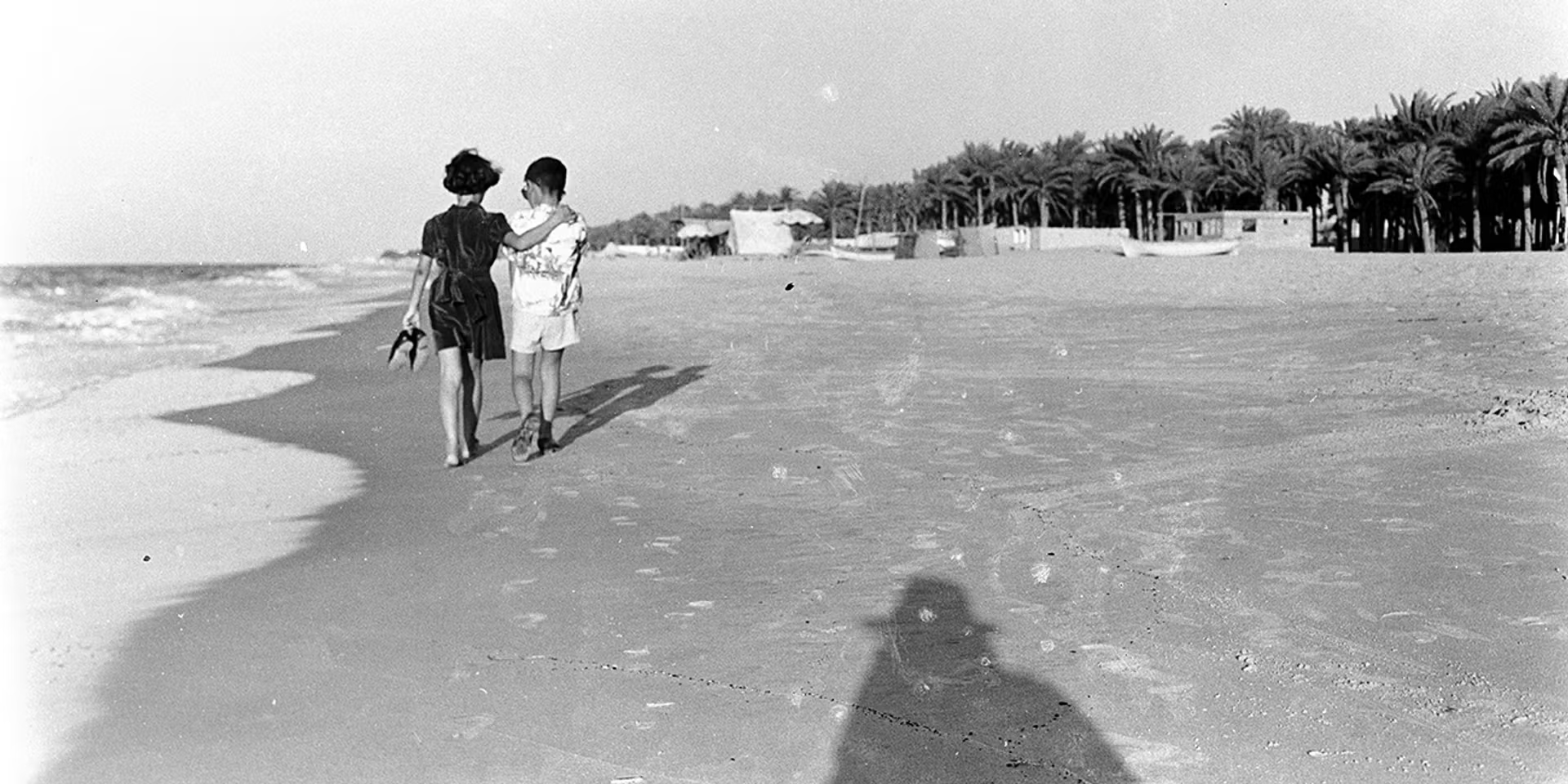
Lucas Minisini. “Gaza’s Vanished Past Lives on Through Photographs Accidentally Rediscovered in Marseille.” Le Monde, 18 May 2026.
Lucas Minisini reflects on the rediscovery of Kegham Djeghalian’s photographs of Gaza as the recovery of a lost world of joy now devastated by two years of war. Conceived as an “unfinished archive” and deliberately left undated, the collection resists framing Palestinian life solely through conflict and catastrophe; instead, it captures fleeting moments of everyday life. In doing so, the archive becomes an act of resistance against the ongoing erasure of Gaza’s social memory and lived history.