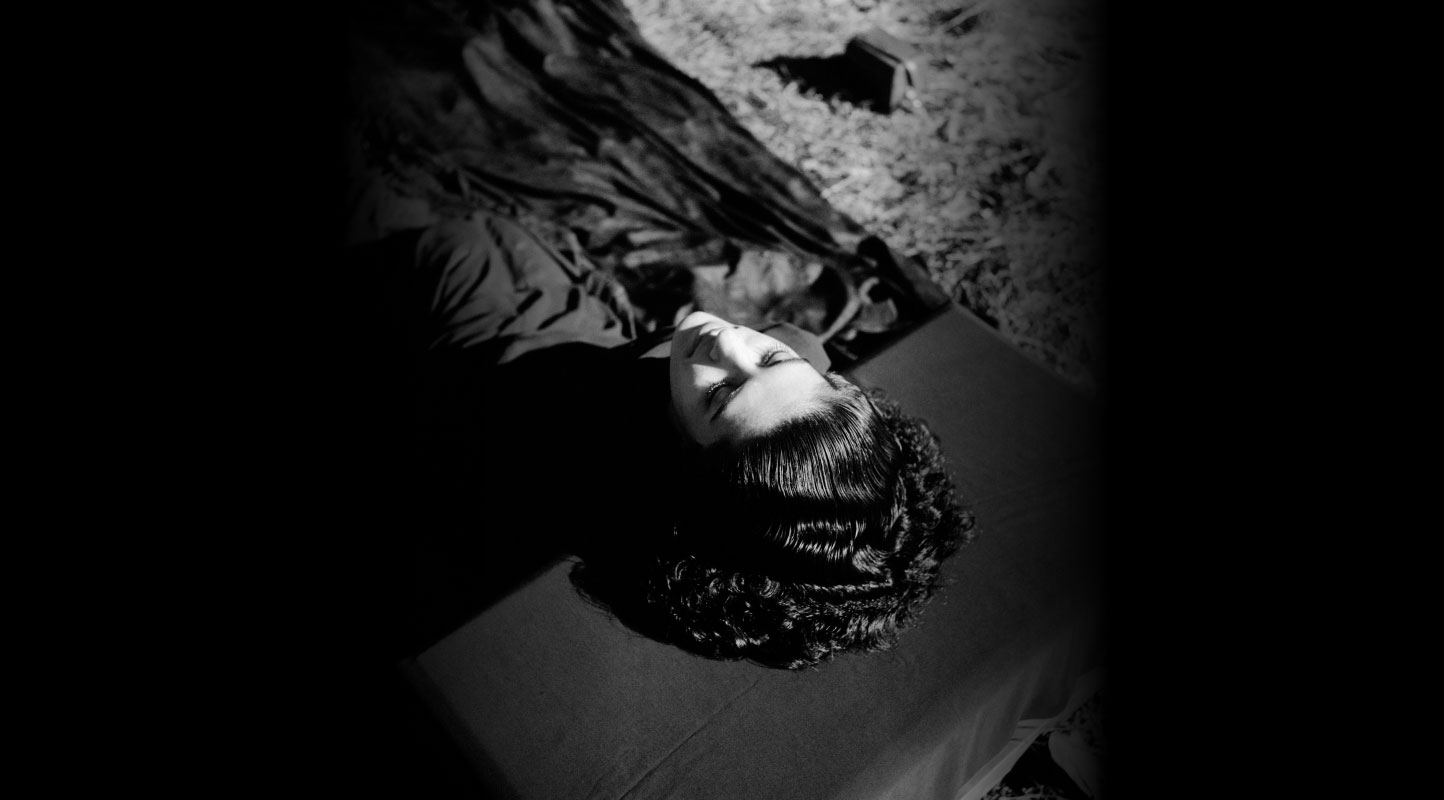


In Memory of Madrasa Azizia: On Reportage and Responsibility
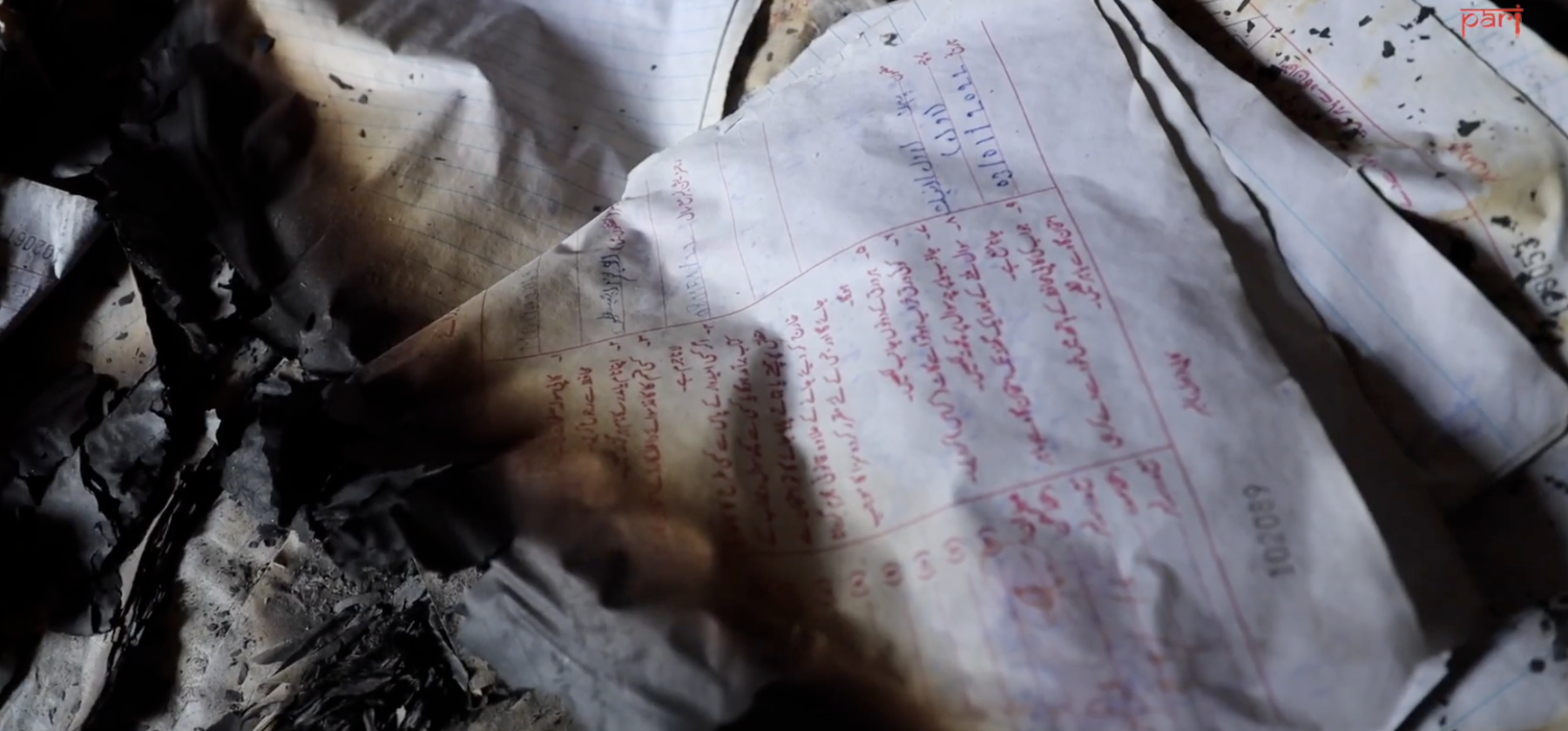
The Madrasa Azizia in Bihar Sharif was set on fire on the night of 31 March 2023, when most of its teachers, students and staff were at home with their families, breaking their fast with Iftar. When the fire did not destroy the school completely, rioters reportedly torched it a second time, during a Ram Navami procession, on the following day. In Memory of Madrasa Azizia (2023), a film by Shreya Katyayini, narrates the community’s reflections on the loss and destruction of their school. A historical site of learning and culture established in 1896, the madrasa’s library housed over 4,500 rare, precious books and manuscripts, with several of them having been kalmi (handwritten) single copies from the 1800s. It was one of the oldest madrasas in Bihar and one of the few to offer co-educational courses till the post-graduation level.
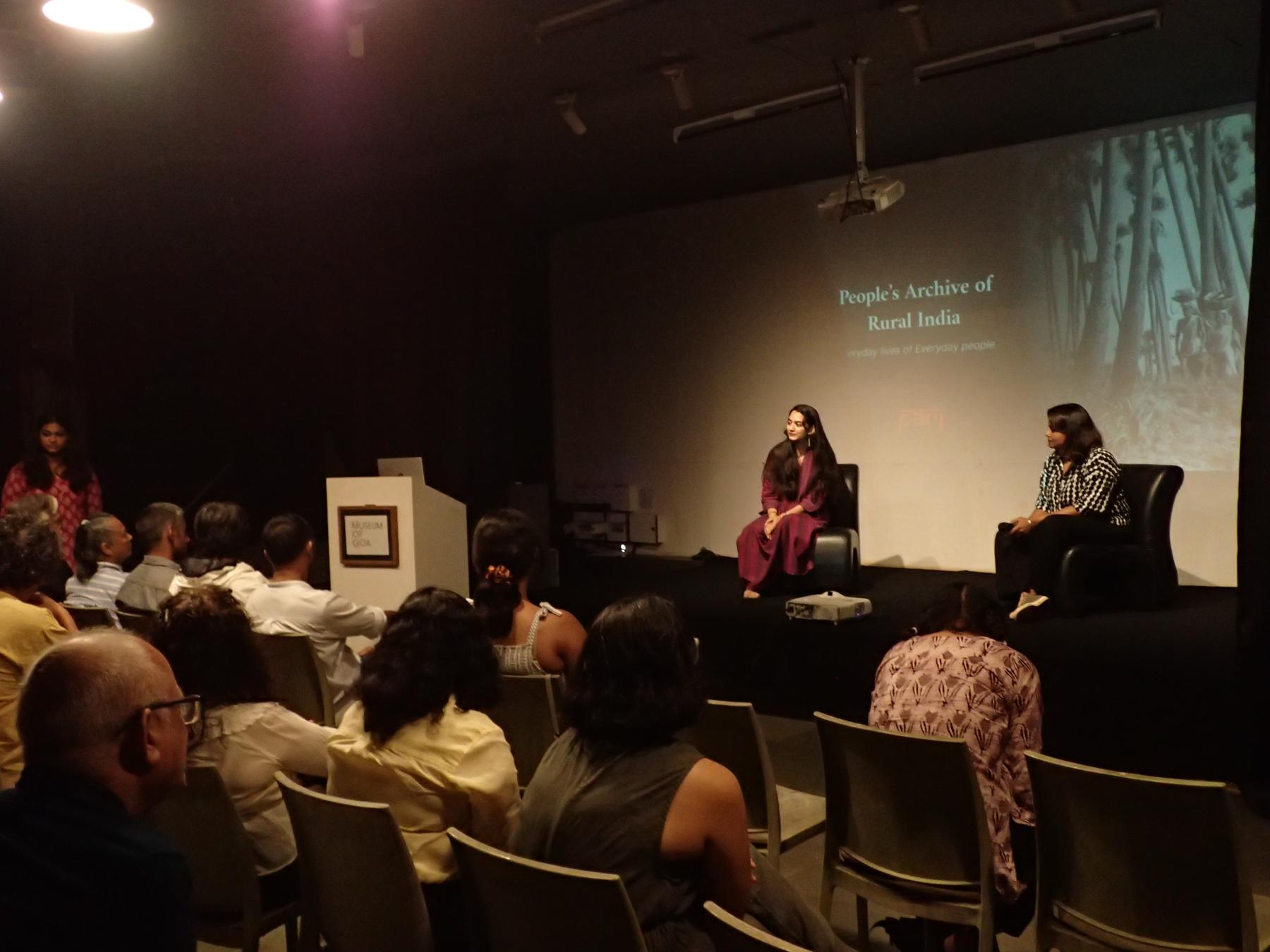
Kanika Gupta and Shreya Katyayini in conversation with audience members, as part of the MOG Sundays lecture series, curated by Nilankur Das. (Museum of Goa, 25 May 2025.)
In Memory of Madrasa Azizia was screened as part of a presentation at the Museum of Goa by Shreya Katyayini, Senior Video Editor at People's Archive of Rural India (PARI), and Kanika Gupta, a Senior Content Editor at PARI, on the work and ethos of the People's Archive of Rural India, during ‘MOG Sundays’, a talk series curated by Nilankur Das. Emphasising the journalism platform’s focus on telling the stories of people—who are under-represented by mainstream media—through their own voices, Gupta and Katyayini presented PARI’s on-the-ground programmes, digitised library and reportage.
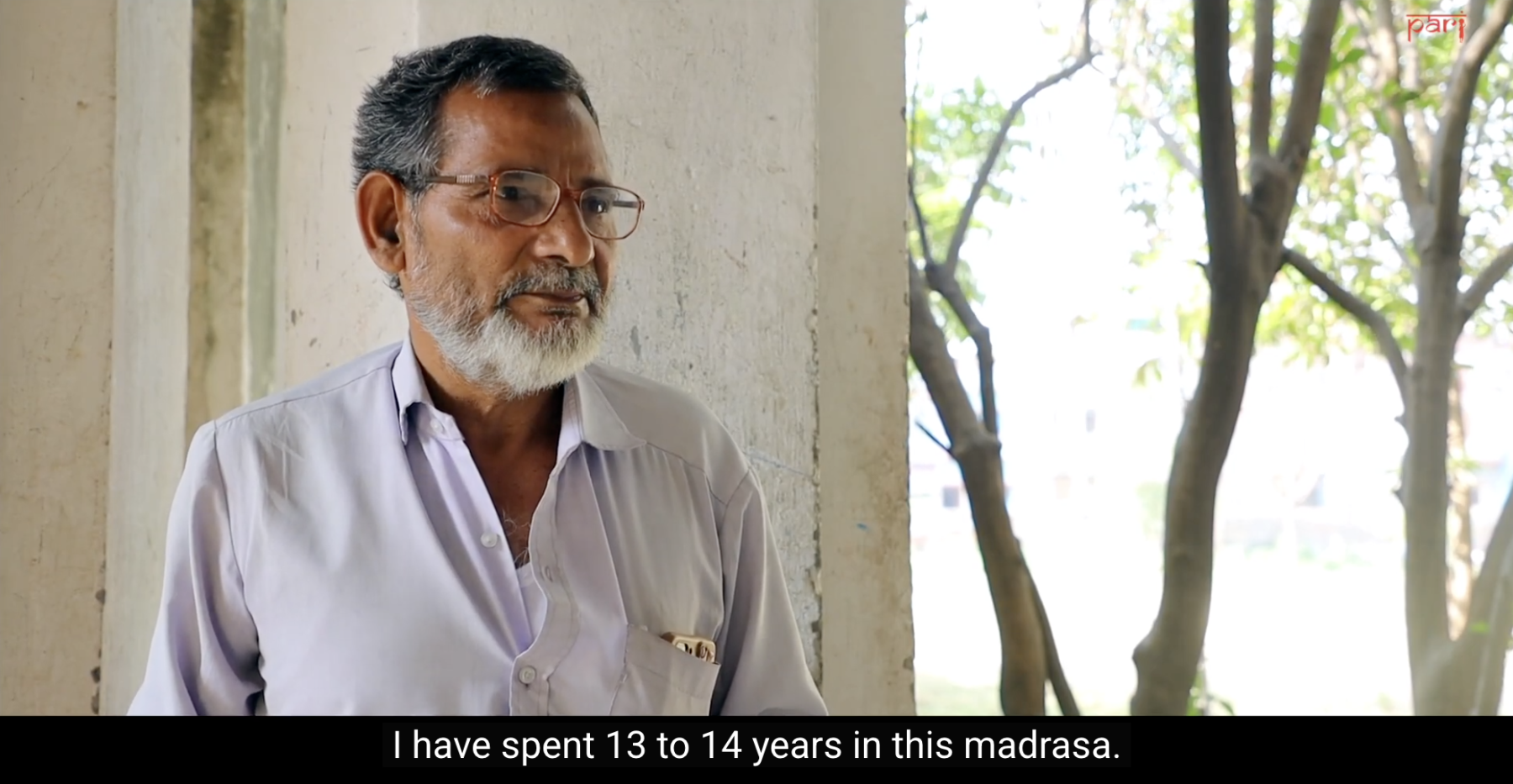
In the film, a former student, Syed Jamal Hassan, shares how he travelled to Bihar Sharif to see the destruction of the school in which he spent fourteen years. “Aaj mai yahi dekhne aaya ki kuch hai ki nahin” (Today I came here to see if anything remains of it), he says. For Katyayini, this interaction was indicative of the kind of media coverage that the burning of the Madrasa Azizia initially received. “Hassan travelled there to see for himself what the state of the madrasa was, because there was no other way he could find out,” she says. “Most of the reporting was biased, incomplete and anxiety-inducing.”
Katyayini set out to research her film on the Madrasa Azizia with journalist Umesh Kumar Ray, after coming across a two-inch report on the incident in the local newspaper. “At the time, the existing reporting on the incident began and ended with the fact that the madrasa had been burned”, she remembers.
“There is a ‘full stop’ after something is burned or destroyed or someone is killed or lynched. The media reportage usually ends there, with who had started the fire and what had been destroyed. What happens to people after that? What happens to the kids when their school is burned down? What happens to the ‘Ganga-Jamuna tehzeeb’, the syncretism, in Bihar Sharif?”
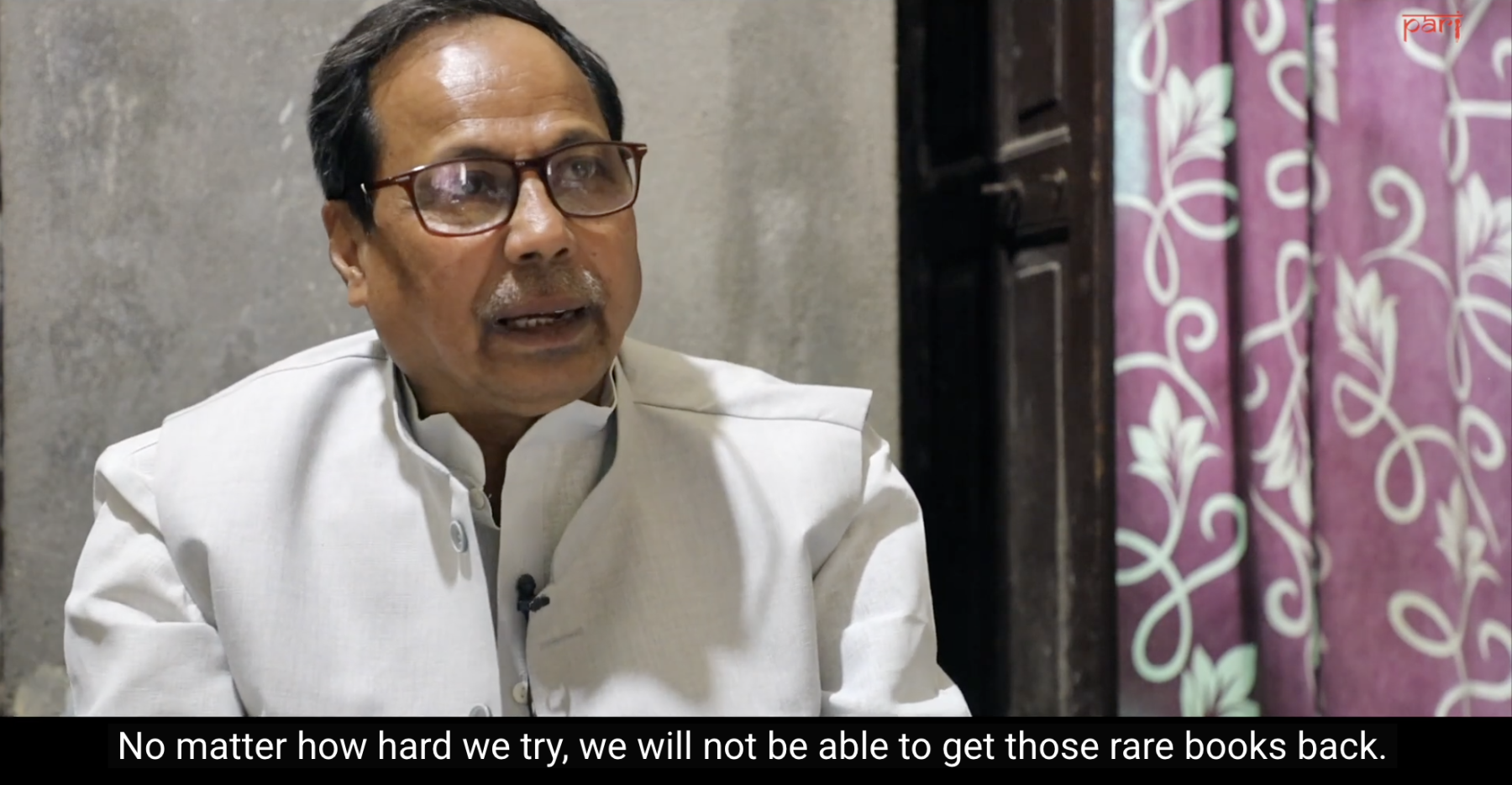
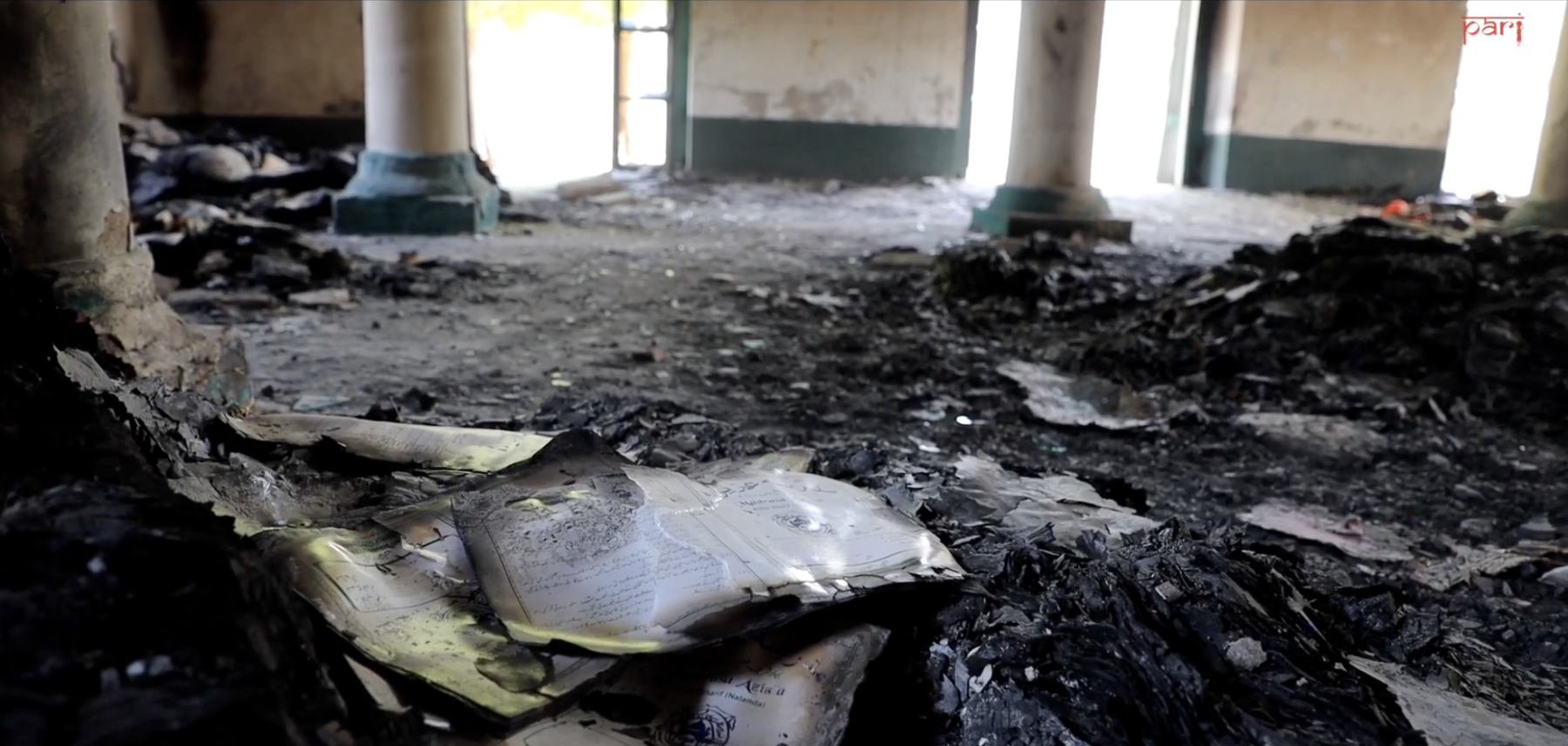
On the participatory nature of independent reporting, Katyayini noted that while navigating the conversations and editing video footage, the reporter’s voice is made visible, but “everything else belongs to the people.” For instance, the first half of the film stitches together the mobile phone footage recorded by the principal, teachers and students of their school and library before its burning. Student-made posters cover the walls, alongside well-stocked shelves, as students make presentations and sing during assembly. The film later reveals the charred remains of these same spaces, now filled instead with half-burnt pages and puppies asleep in the ashes for warmth. For Katyayini, these moments in the film do more than set the scene—they make stories more palpable for a media audience that has turned numb. She shares,
“The way these stories are usually reported turns them into merely ‘controversies’ or ‘sensitive’ issues—those are words constructed to make one feel fear. In an atmosphere of censorship, stories that do not support the dominant propaganda become restricted or are made to appear ‘controversial’, such that the public feels removed from the story’s relatability, from a plea of ordinary people.”
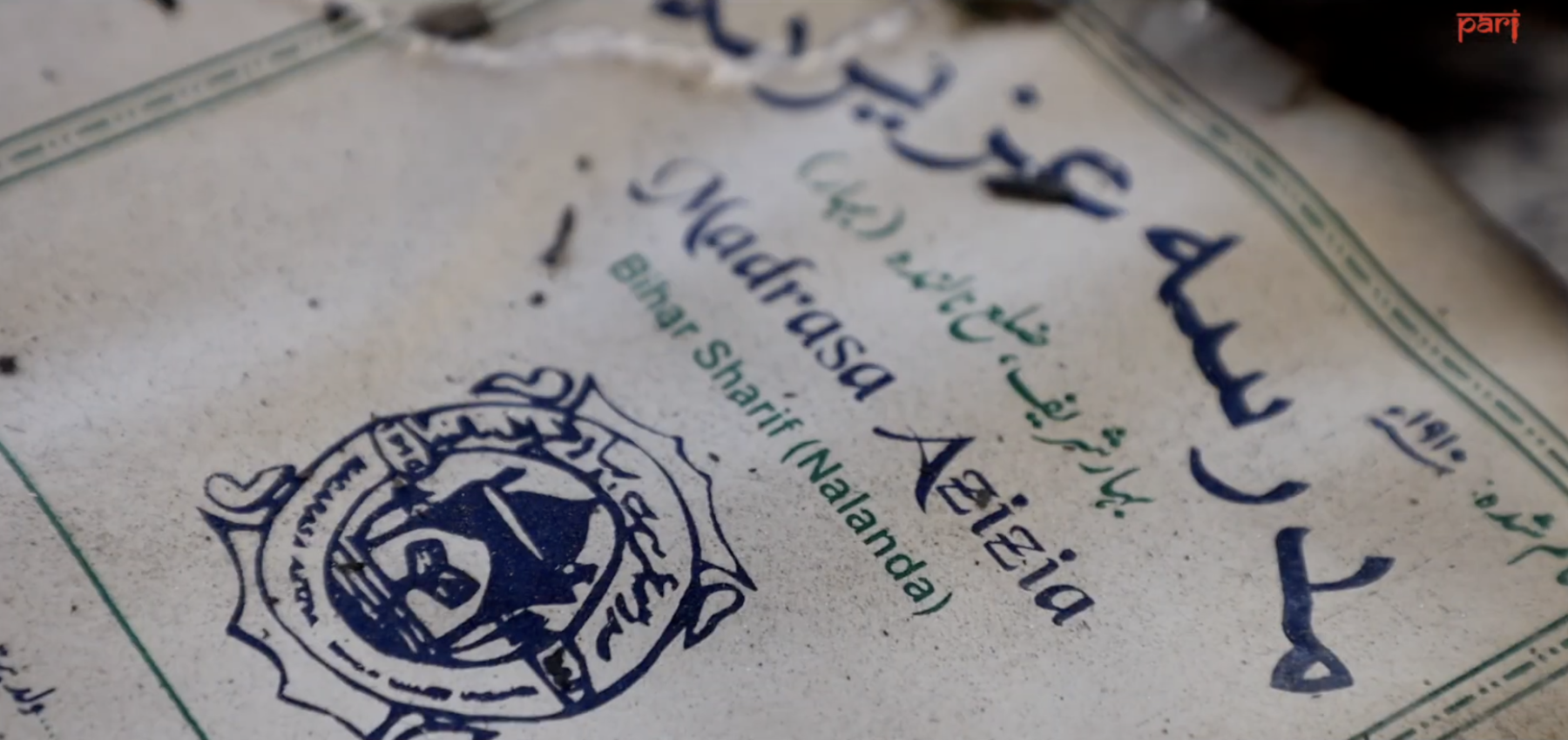
The film In Memory of Madrasa Azizia, along with a written report, was first shared with the community in Bihar Sharif that had participated in its making. “That may seem like simply a nice practice, but it is more about pushing ourselves to hold a greater sense of responsibility towards the people whose story it is,” Katyayini explained. In response to a traditional, extractive model of documentary-making, PARI’s ethos of participatory research imagines the filmmaker to be consciously committed to the community they are working with, rather than as a ‘neutral’ documentarian.
Katyayini shares the advice she received from veteran journalist Palagummi Sainath, PARI’s founder-editor, who said that in order to listen for people’s voices, a journalist must not go into a place assuming they know everything, or even anything, about it. Conversations act as a kind of dialectic to ensure that the researcher is not controlling the story being told but, rather, listening for a story. This can also at times include the community setting their own objectives for the published film or essay; for example, the hope of those who shared their stories for this film was that it would push local officials in Bihar Sharif to expedite the process of rebuilding the madrasa.
In order to create local change and garner support for people’s movements, Katyayini notes that independent journalism platforms like PARI need visibility among a broader audience:
“I understand that the social media audience might not have the attention span for these kinds of stories. Our reporting does not match up, perhaps, in the speed and aesthetics of ‘new-age, peppy news content.’ But, for example, for the Museum of Goa to have invited us and for us to have the opportunity to screen a couple of films there has helped us meaningfully reach more people. Finding the platforms where people have the patience to receive more long-form stories helps.”
When museums and arts institutions include public presentations and screenings by independent media as part of their programming, they also create the possibility of expanding the historical contextualisation of their own existing collections—potentially mobilising their spaces and works of art as opportunities for public education, discussion and a more politicised engagement with the present.
To learn more about the visual and cultural politics resulting from the erasure of Islamic cultural heritage in India, read Asim Rafiqui’s essay on the Sufi shrines of Ayodhya, Prabhakar Duwarah’s article on Prashant Panjiar’s photographs, Arushi Vats’ essay on the Sahmat Collective and Akanksha Maglani’s reflections on the panel “Rights as Public Rehearsal” as part of the exhibition Re: Staging 1990s (Delhi).
To learn more about the work done by PARI, read Ankan Kazi’s reflections on the exhibition Visible Work, Invisible Women which brought together P. Sainath’s photographs and Gulmehar Dhillon’s curated album of M. Palani Kumar’s documentation of the lives of Tamil Nadu’s seaweed farmers.
All images are stills from In Memory of Madrasa Azizia (2023) by Shreya Katyayini, unless mentioned otherwise. Images courtesy of the director.