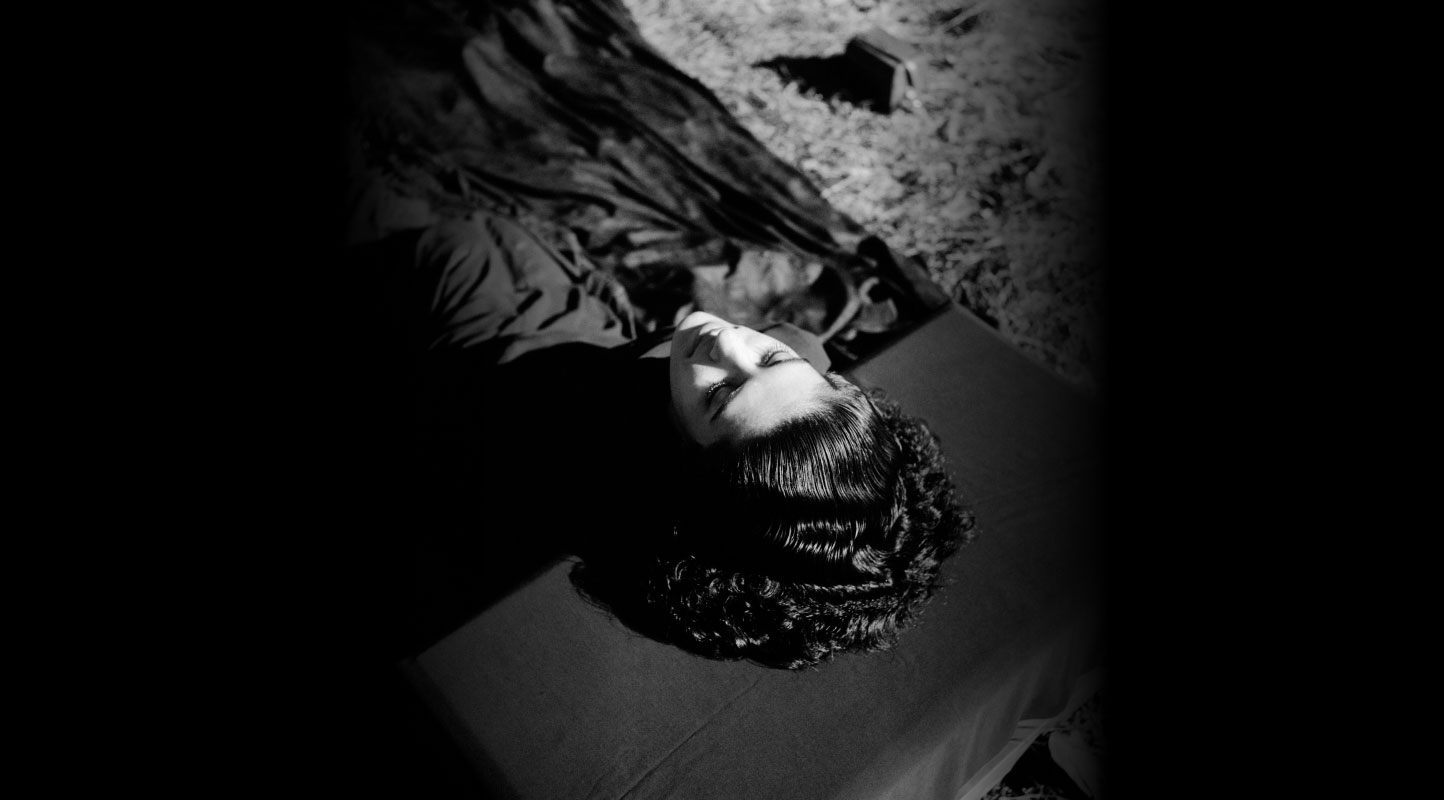


On Dinosaur’s Egg: In Conversation with Sruthil Mathew
Recently screened at the fourteenth edition of the Dharamshala International Film Festival (DIFF), Dinosaur’s Egg (2024) by Sruthil Mathew is an abstract experimental film that traces personal history and memory by reflecting on the Travancore-Malabar migration in the 1940s. In this conversation, the director speaks about what inspired him to make the film, his research process, the place of dreams in his filmmaking and his exploration of the relationship between sound and time through film.
Mallika Visvanathan (MV): Can you tell us what inspired you to make Dinosaur’s Egg?
Sruthil Mathew (SM): I am a film student at the KR Narayanan National Institute of Visual Sciences and Arts, Kottayam. Dinosaur’s Egg was made as part of an assignment in the second year programme. While it was made as part of a film school project that I had to do, the film itself was actually personally driven.
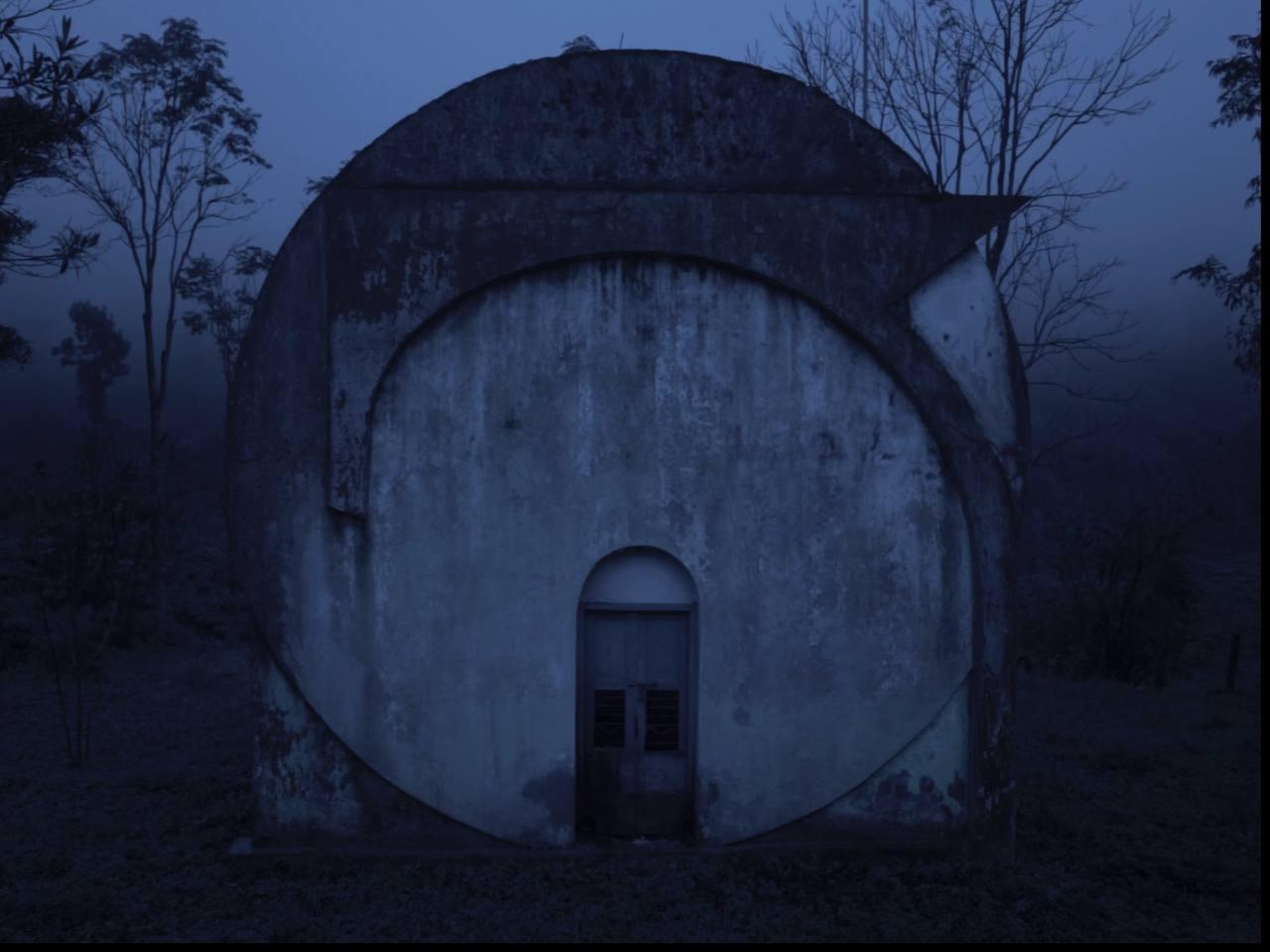
My parents’ families had migrated from this Travancore region to Malabar in the 1940s. They were from Kottayam but moved to near Wayanad, which is where we continue to live today. So, when I came back to Kottayam to attend film school, it was the same place where they had lived. I wanted to try to document or revisit the places they had told me about in my childhood through their stories—such as the church, the land, agricultural fields and so on. I started this process of documentation in the first semester itself. As it expanded, the idea took on a basic structure. Then I made it into a film when we had to create a non-fiction project.
MV: Do you want to share a bit about your process, including your research?
SM: The research consisted of oral archiving of the people who were in that age group—mostly 80–90 year old Christian people. Many people from my community moved in the 1940s or early 1950s for agriculture and land in Malabar. So they carried with them their stories, myths and memories. There are still some people who are alive and remember this migration. So I visited them and tried to record their stories like oral memories. This collection of their stories was the first part of my research.
Then I visited the places where my ancestors lived and listened to the soundscapes. I recorded so many sounds before the film. It is interesting because the new generation is now migrating to Europe and the same kind of cycle is repeating in the present. From the research process also I started to record the sound and go to the places and spend time and record sound. Before writing a visual script I had to write down a sound script also. Some sounds were recorded before the shoot, so I had a sound archive that I was working with.
In terms of form, our teacher, Vipin Vijay, had given us an exercise in the first semester where we had to write down our dreams and make a dream diary to submit to the institute. I continued to do this after the exercise had been completed. Every morning, I write down all the small or weird dreams I can recollect. Then after 6 or 7 months, we revisit what we have written. I mostly write my screenplays based on these dreams.
MV: You have spoken about the film as extending an archaeological imagination and that the relationship to time and chronology becomes blurred within the film. Can you share your approach?
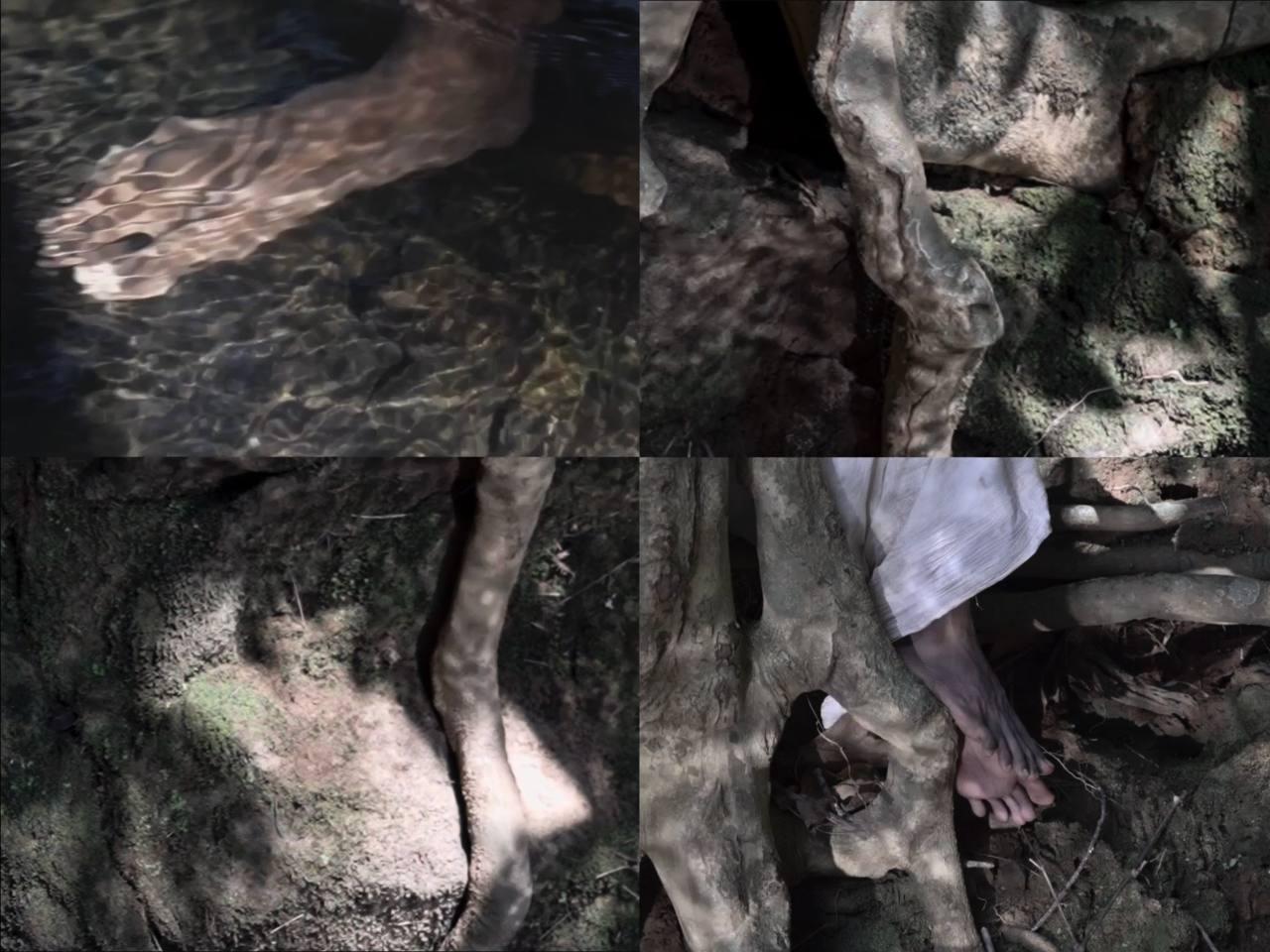
SM: When I started making the film, there were two or three layers that I was trying to document simultaneously. One was the growth of cinema, starting with the Lumiere brothers. But I believe that my personal journey is also related to time. Through sound design, I have tried to capture that experience. When I write a screenplay, I write the sound script alongside my visuals. This allows me to imagine how to merge sound and visuals through shifts in time. For instance, within one sequence where the camera moves across the rock, there is a way in which I tried to include ten days of a soundscape in that one shot. It starts on a single morning, then as the camera tilts up, it will be one week of the sound. I was trying to address this experience of time through the soundscape.
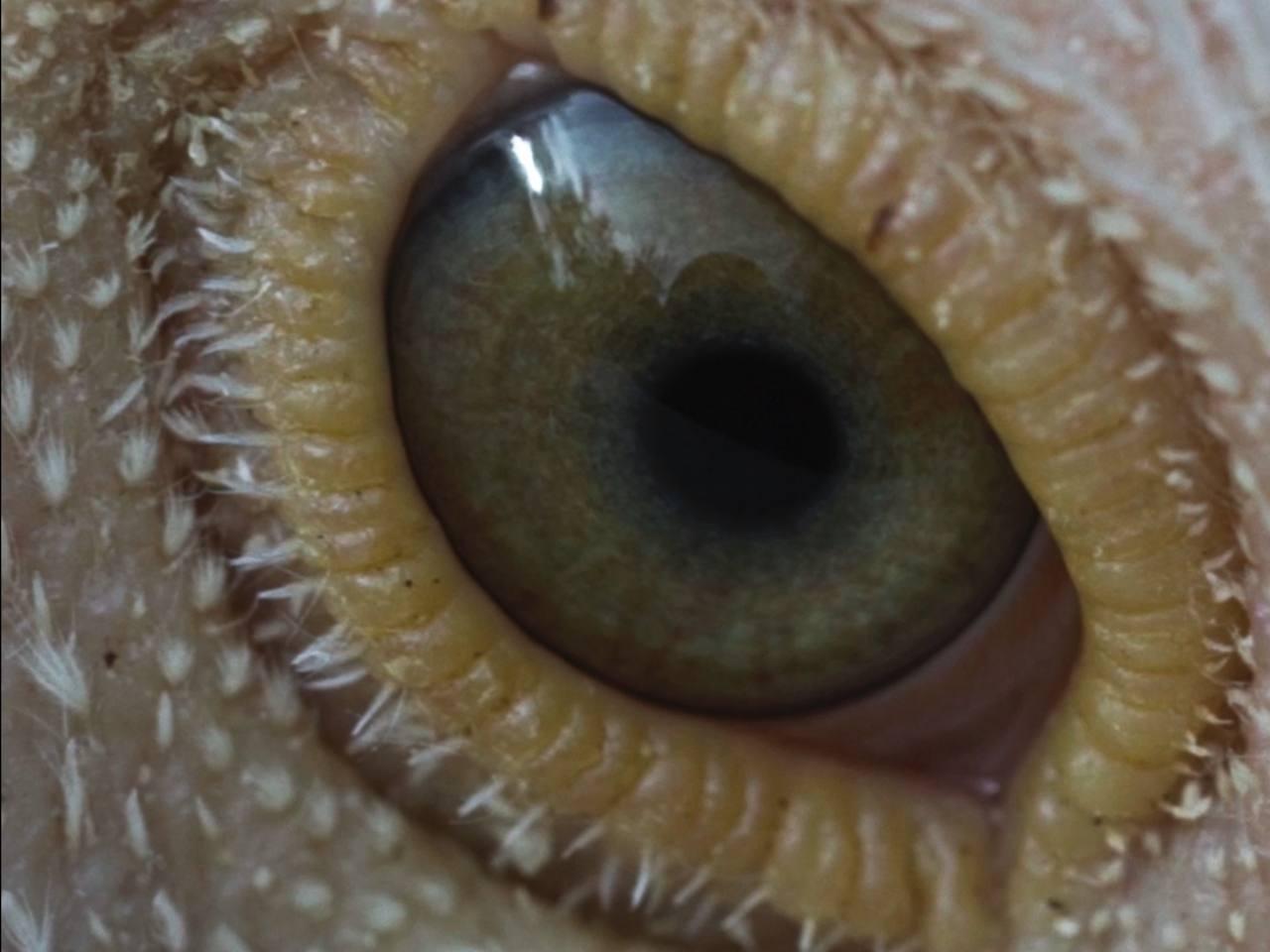
Perhaps this play with time is even in the title—Dinosaur’s Egg. The idea of a dinosaur’s egg makes me think of something beyond time. It creates a certain kind of curiosity.
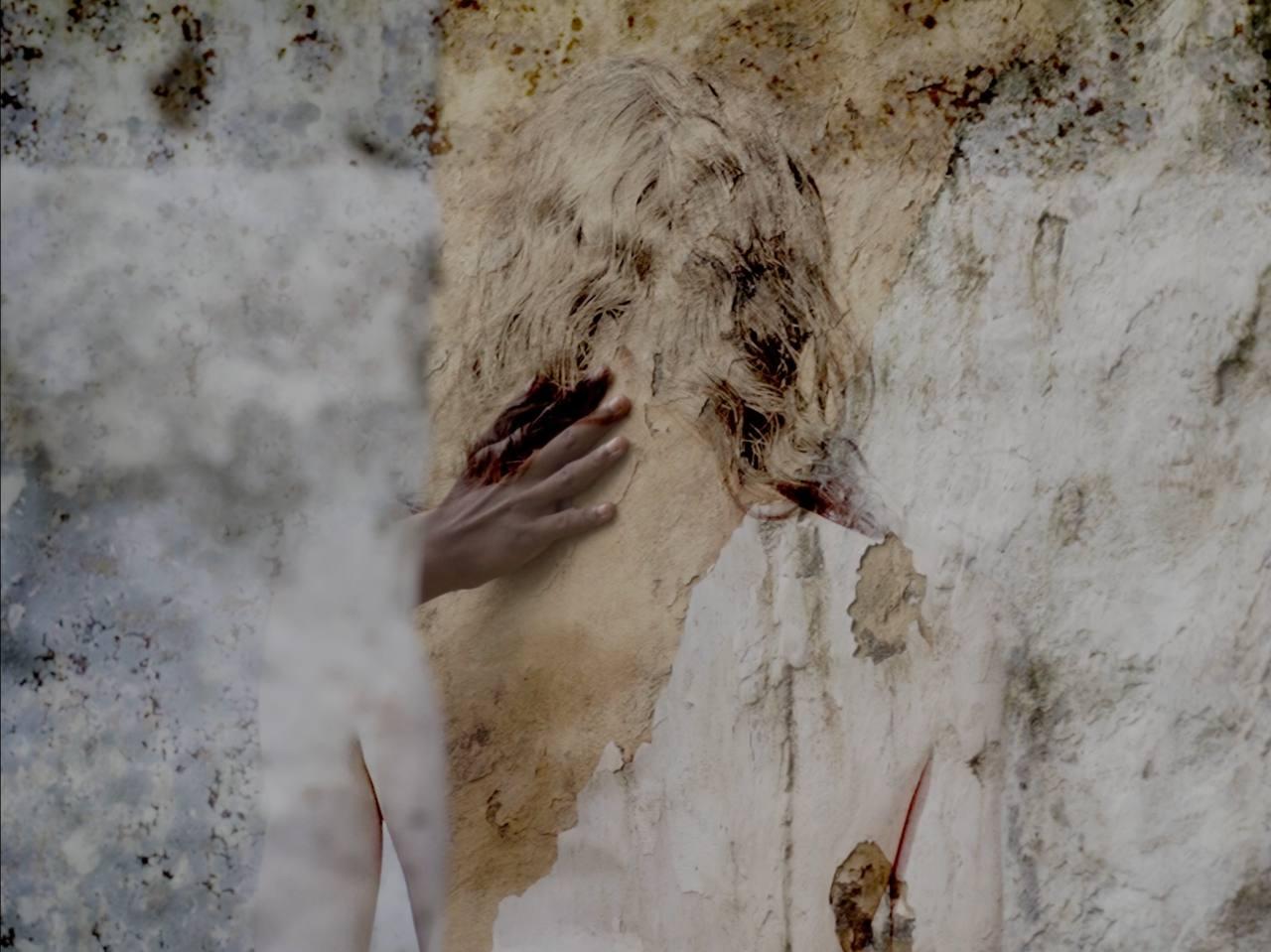
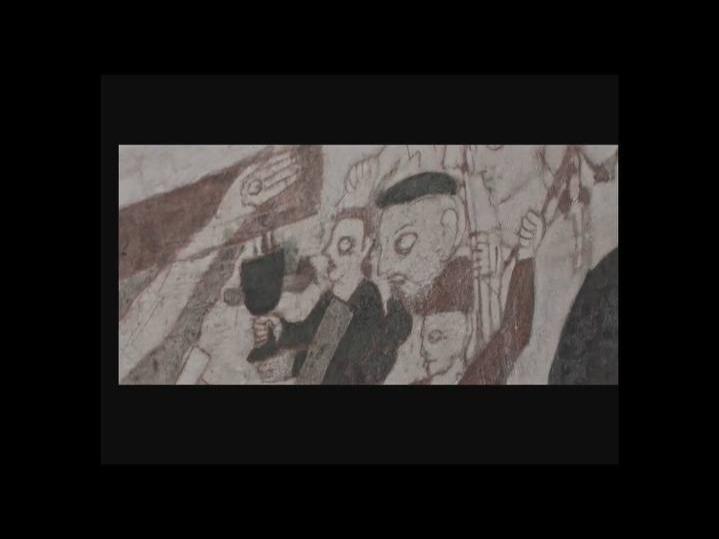
MV: You mentioned the Lumiere brothers and we see a snippet from Workers leaving the factory. The film also includes murals from Kottayam dating to the 1670s and the rock art at Marayoor. Would you like to tell us a bit about your use of mixed media and this media history that you are engaging with?
SM: I made this film almost two years ago, so I have to recollect what I have done. I do question some of the choices I made. But the use of mixed media was because I was looking at the idea of oral histories. So for instance, there is the performance within the film of the masked figure. Through this masked figure, I was trying to reenact some childhood stories that could capture the close relationship the community had with agriculture. These were some childhood dreams and ritualistic practices related to agriculture. So, even within the documentary, I staged certain actions using a masked face.
With regard to media history, perhaps that is more present in the work I am doing for my diploma film right now. It is a fantasy film in which a few amphibians are stuck in an old film theatre where silent films play throughout the day.
To learn more about films screened at this edition of DIFF, watch the latest episode of In Person with Sivaranjini in which she discusses her film Victoria (2024) and Upasana Das’ essay on Rich Peppiatt’s Kneecap (2024).
To learn more about the previous editions of DIFF, read Mallika Visvanathan’s interview with the founders Ritu Sarin and Tenzing Sonam and watch the previous episodes of In Person with Udit Khurana as he discusses his film Taak (2024), Jhansy Giting Dokgre Marak on her film Chaware (2023), Gavati Wad on her film O Seeker (2024) and Vani Subramanian on her film Cinema Pe Cinema (2024).
All stills are from Dinosaur’s Egg (2024) by Sruthil Mathew. Images courtesy of the director.