


Of Second Chances: Anoop Lokkur’s Don’t Tell Mother
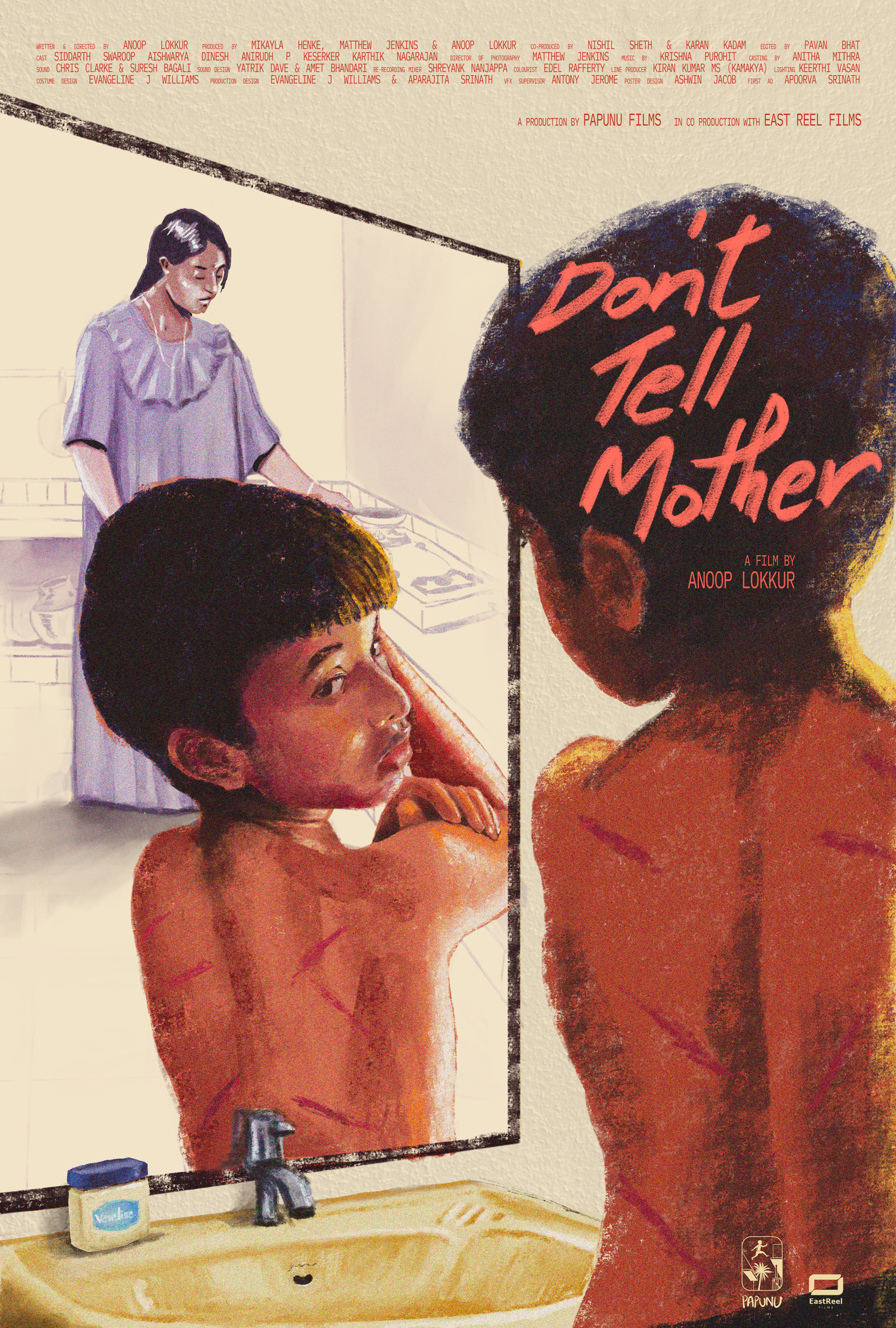
Films that draw from their writers’ lives become chronicles of their early selves. They hold memories and are keepers of pain, delight and secrets. And yet, as products of adult thought and reminiscence, they are essential do-overs, second chances at first failings.
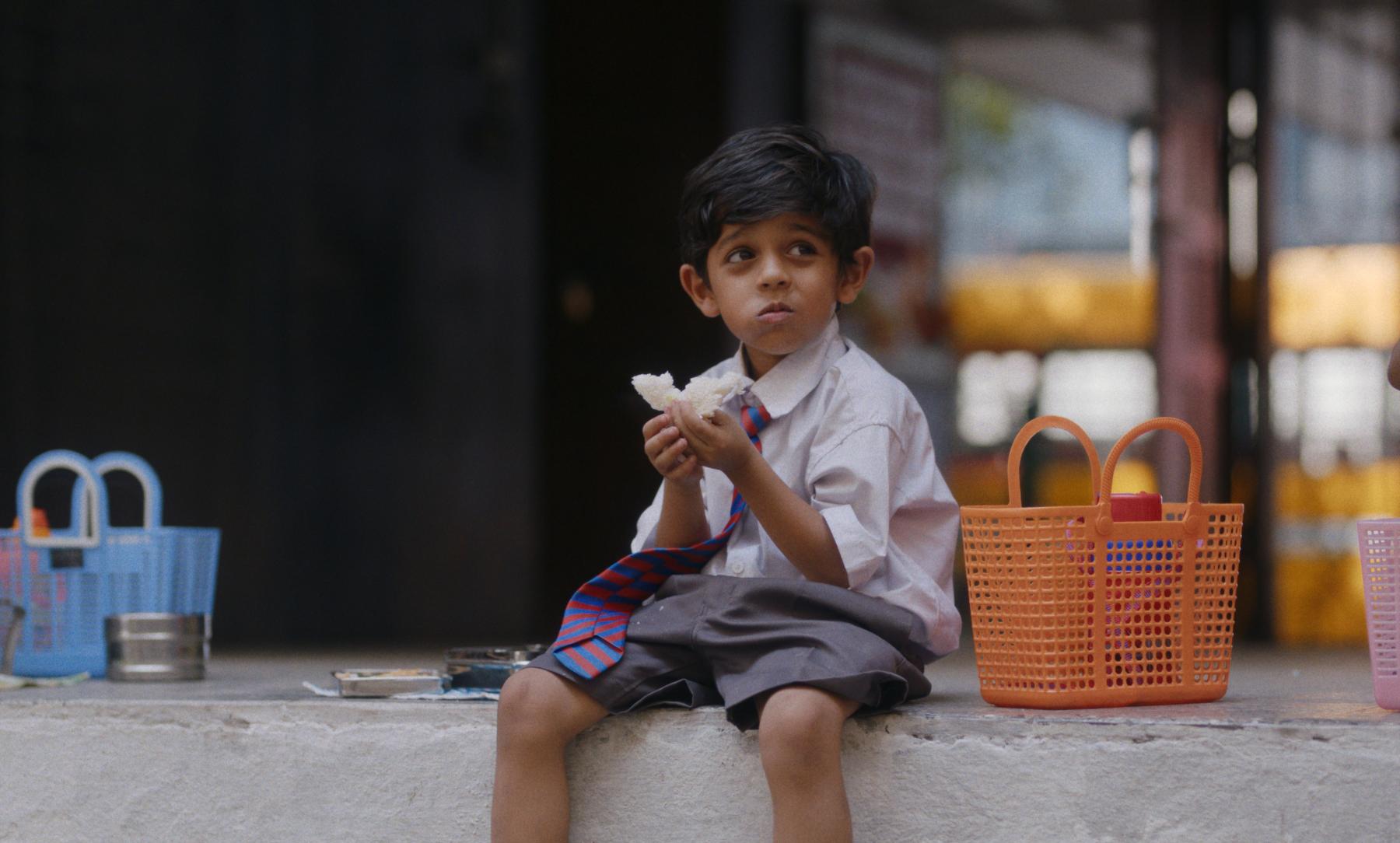
Melbourne-based filmmaker Anoop Lokkur, who grew up in Bangalore in the 1990s, has spoken of two formative incidents from his early years that are now important episodes in his debut Kannada feature Don’t Tell Mother (2025), which had its world premiere at the 30th Busan International Film Festival in September 2025 in its ‘A Window on Asian Cinema’ section. The first of these is a furious, unmerited caning that his fictional nine-year-old self, Aakash (Siddarth Swaroop), receives at the hands of an irascible mathematics teacher. And then there is the careless hit Aakash himself lands on his own little brother Adi (Anirudh P. Keserker) that sends the latter—choking on a bowl of cashews—to the hospital. The two incidents are obviously linked in that they show how children mimic harmful adult behaviours, even when they are at the receiving end of these.
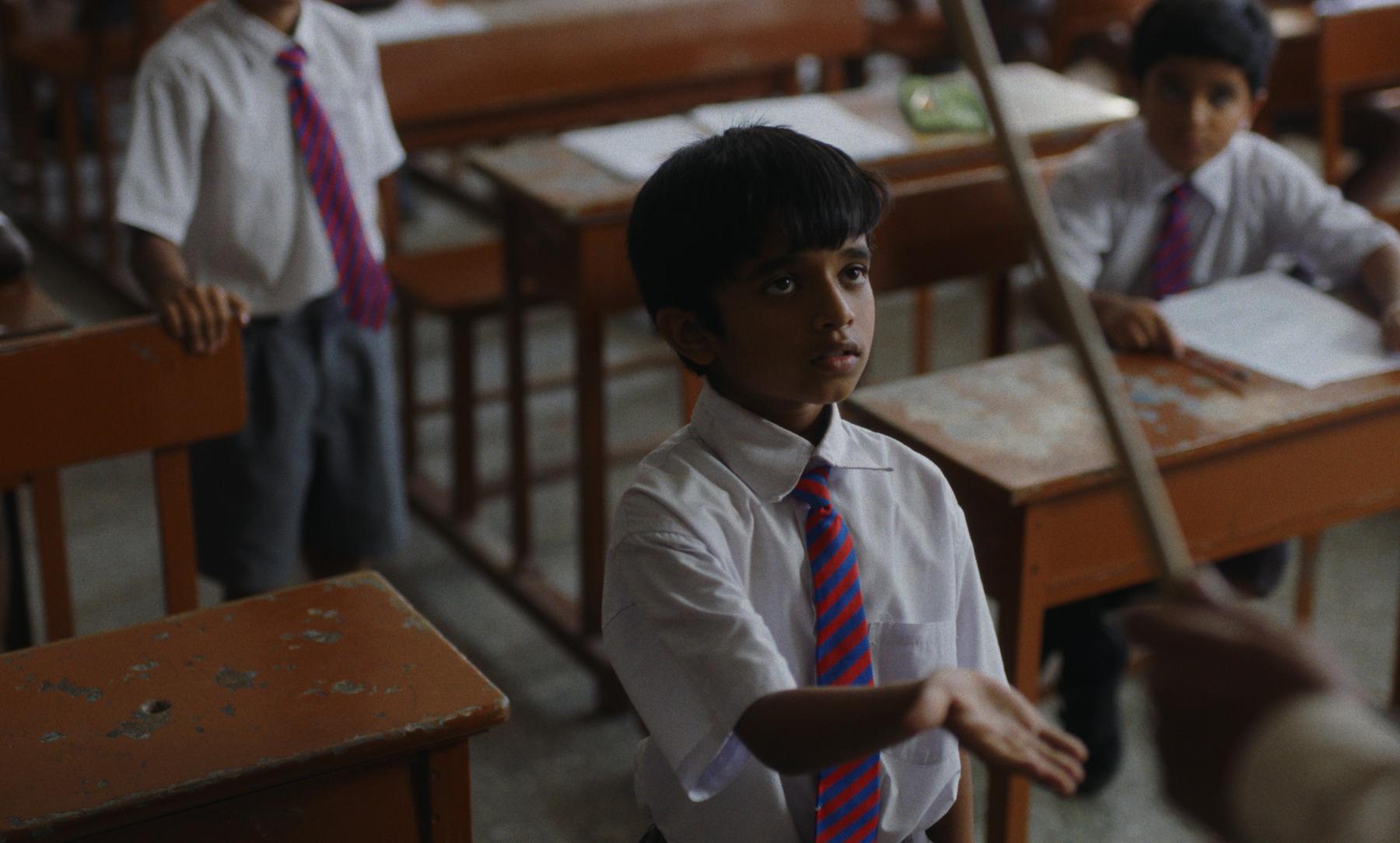
These two incidents that signal decisive emotional shifts in the young boy are also documents of accountability, records of guilt—his teacher’s and his own. Aakash may have been smarting from the humiliation at school, angry and ashamed, refusing to tell his mother and taking great pains to hide his wounds with long-sleeved shirts, but adult Lokkur identifies the moment as singularly distressing for his younger self and lays the blame squarely on a bad educator. In the second incident, Aakash’s parents do not find out why little Adi suddenly choked on his cashews, but Aakash—and by extension, Lokkur—clearly blames himself. His parents might not have admonished him for a moment of recklessness that could have proved fatal for his brother, but Lokkur ensures that his film holds him responsible. Mother may not have been told, but we certainly are. Lokkur’s debut feature is not just a yearning for a time when Diego Maradona posters adorned bedroom walls and boys practised WWF choke slams on each other. It is also a confrontation—a recognition of decisive moments that burrow deep into young minds, linger and harden over years and affect who we become. Personal films become ways of visibilising those moments. They are also ways of returning and attempting to repair, renewed attempts at acknowledging past kindness and hurt.
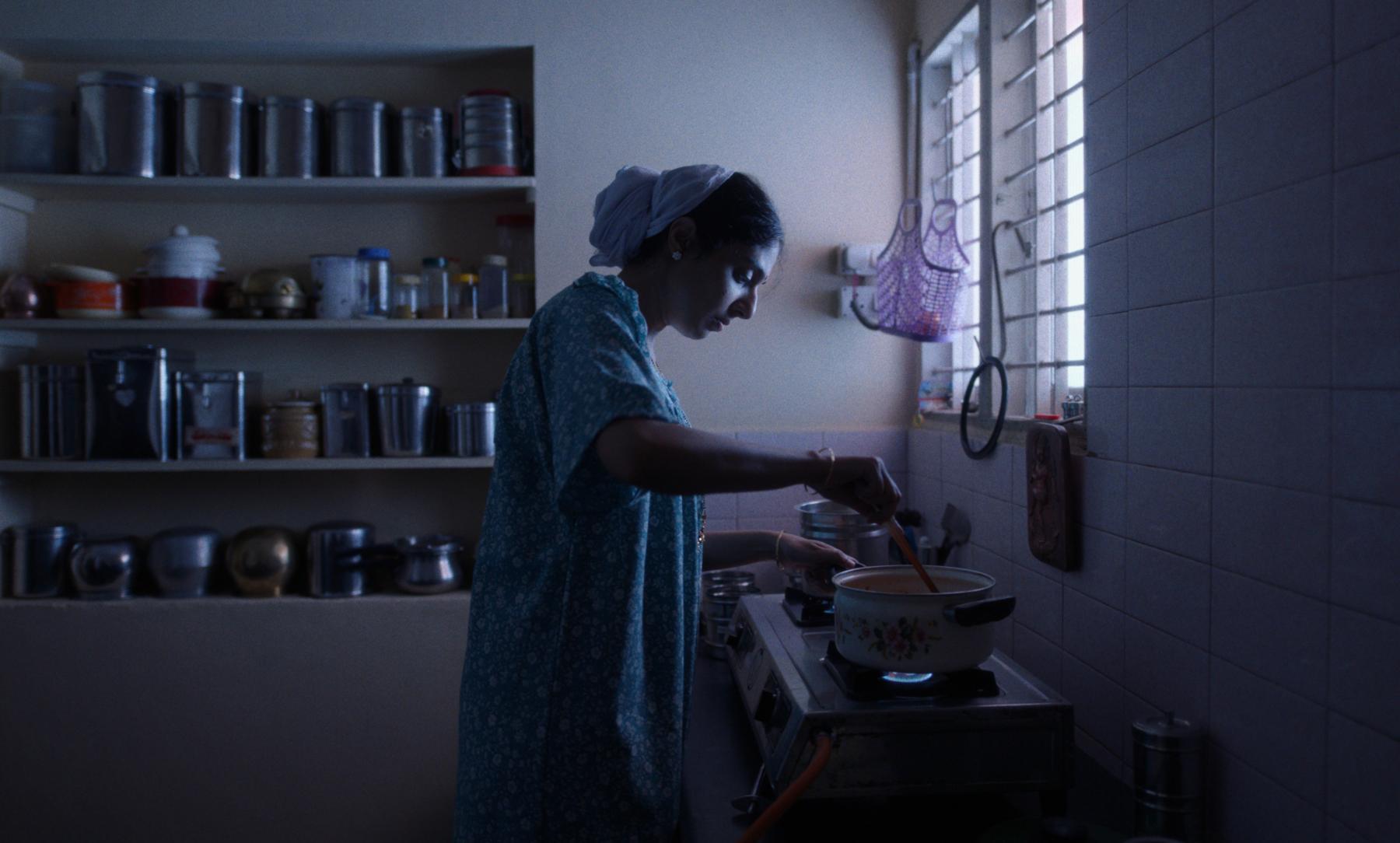
Don’t Tell Mother holds these attempts within the narrative of the film itself. It sees a repentant Aakash asking for Adi’s forgiveness, one that is promptly given with a cashew—that recurring motif that is alternately a reminder of guilt, a peace offering and a sign of brotherly affection. It also has Aakash thanking his mother for her labour and daily sacrifices—a response to Amma’s (Aishwarya Dinesh) frustrated plea halfway through the film that her tireless work towards the upkeep of the home and family go unnoticed. Aakash’s comprehension of his mother’s contributions is a vital step in the slow transition out of childhood that the film sees him undergo. It offers a tender portrayal of the mother, Lakshmi, as the camera lingers on the activities that fill up her day, from folding laundry and a rushed kolam (ritualised geometrical design) outside the house to the aerobics she learns off a VCD. It documents the snug, gentle moments she shares with her children, cooking and caring for them, nudging them with encouragement and boldly shielding them from harm. And, most of all, it creates space for her accomplishments (reversing the car), dreams (starting a catering business with her friend) and disappointments (lack of familial support). This becomes its own form of filmic gratitude, with the adult filmmaker offering thanks in his own medium.
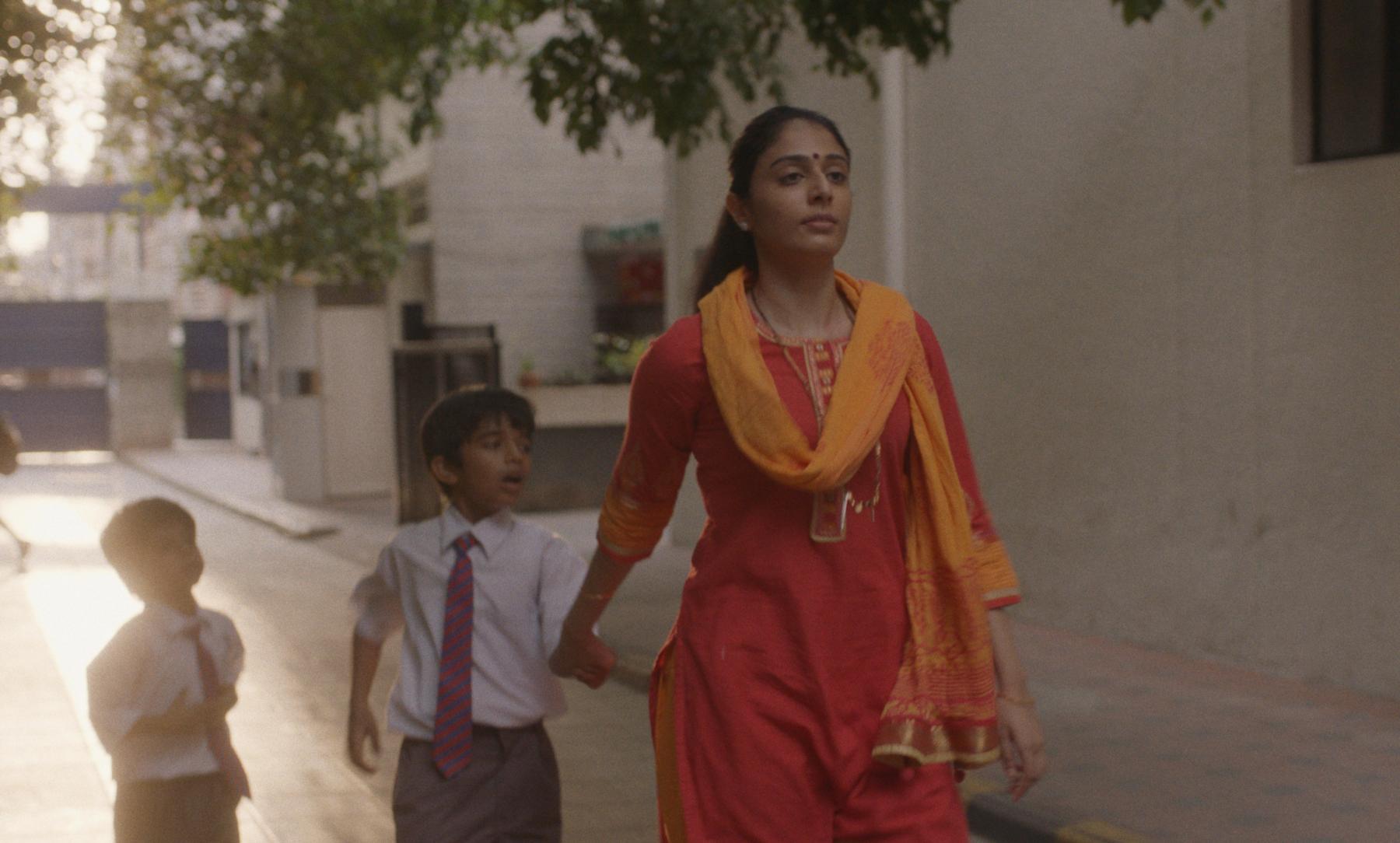
Unavoidable in this story of a child’s first brush with the harsher world that lies in wait is the glowing maternal portrait Lokkur draws. His sympathy for her struggles, resentments and sadness and for the strains of the maternal role itself adds an emotional weight that moves the story beyond a child’s purview of everyday thrills and injustices. There is almost a guilty recognition not just of how women’s domestic responsibilities have continually bound them but also of how children have been used to hold them back. Mothers are typically blamed for a child’s misbehaviour, as we see in an extended vacation sequence where relatives discreetly discuss Aakash’s boisterousness as his mother’s fault. At the same time, Lakshmi’s father-in-law refuses to invest in her catering business, citing Aakash’s behaviour; a model child being the only permissible ambition for a mother.
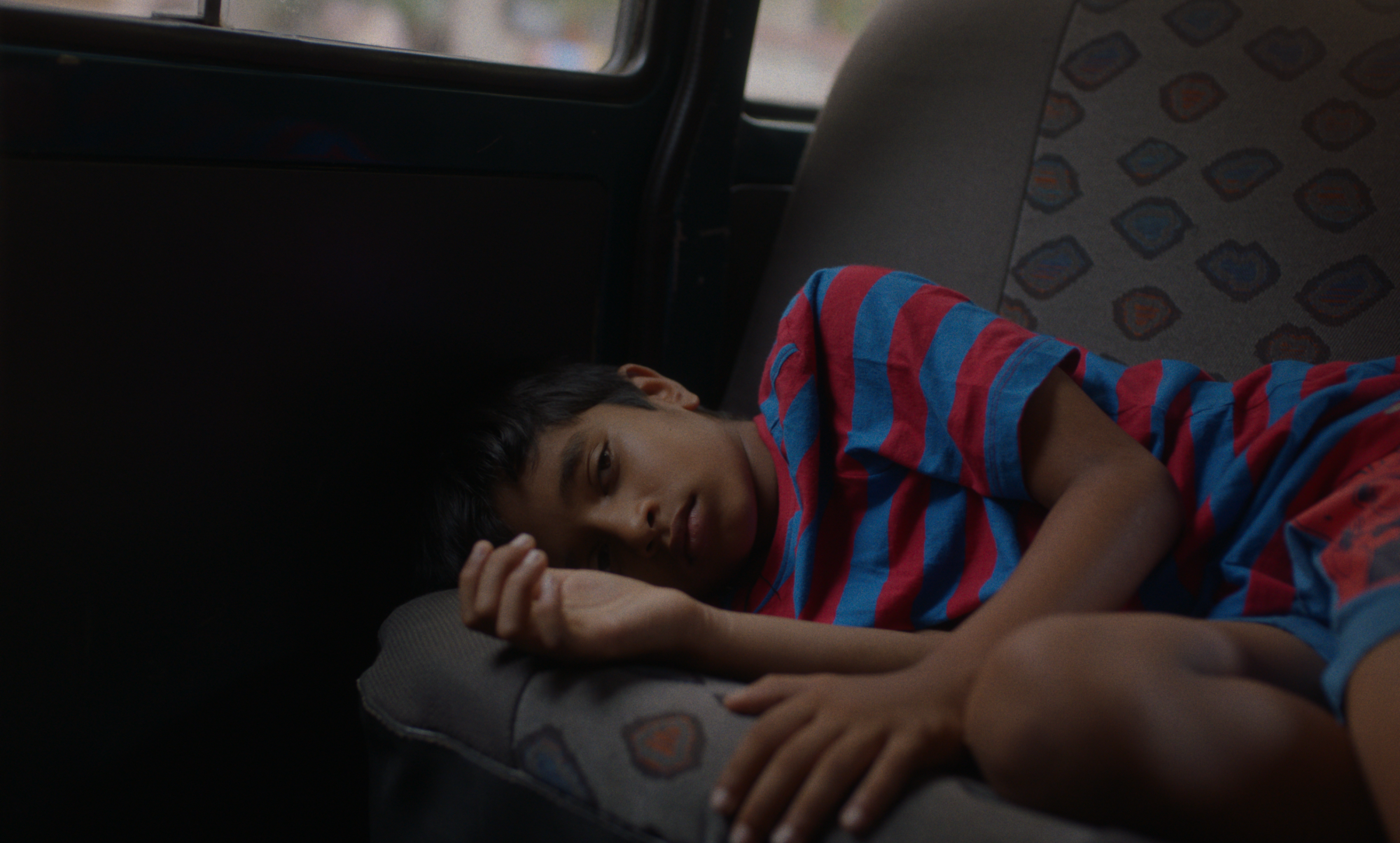
In its ache for a lost world of stamp collections and Walkmans, single screen cinemas and ticket scalpers outside theatres, gas lanterns that came to the rescue during routine power cuts and the unhurried rhythms and bickering of children playing cricket in the afternoons, Don’t Tell Mother is similar in mood to Ghich Pich (2025). The Hindi debut of tech-entrepreneur-turned-filmmaker Ankur Singla, Ghich Pich released in cinemas last year. Similarly personal, Singla’s film resurrects Chandigarh of the late ’90s along with the decade’s many analogue experiences. Don’t Tell Mother weaves its story with nostalgia for a peaceful, slower Bangalore yet to see its IT boom. Lokkur focuses his film within the spaces of the home—the spaces that Lakshmi occupies—but a walk home from school, a dash across neighbourhood terraces or a chance meeting at a vegetable market reveal fleeting glimpses of a Bangalore of low-rise homes, quiet, leafy residential quarters, uncrowded tree-lined roads and an unhurried way of life.
Both films offer stories of a generation that grew up with cassettes, landline phones and telephone directories—objects that have wholly disappeared from their present moment. For these filmmakers recreating their vital early years of adolescence, those experiences are inextricable from the paraphernalia of the decade they grew up in. There is something simultaneously permanent and fleeting about these films—lasting records of a time and place crafted for and existing solely within them.
Personal films like these accord a return to that period of innocence, becoming time capsules from a distant decade, from a lost boyhood. Looking back now, the loss of one world must therefore feel inseparable from the loss of a more personal, individual world, in the moment just before it is all to be lost again. By the end of this coming-of-age story, Aakash’s transition out of childhood has begun. The film crystallises this moment for the adult filmmaker who will catch his fictional version just before the loss of his childhood. For him then, Don’t Tell Mother will play out that loss over and over again.
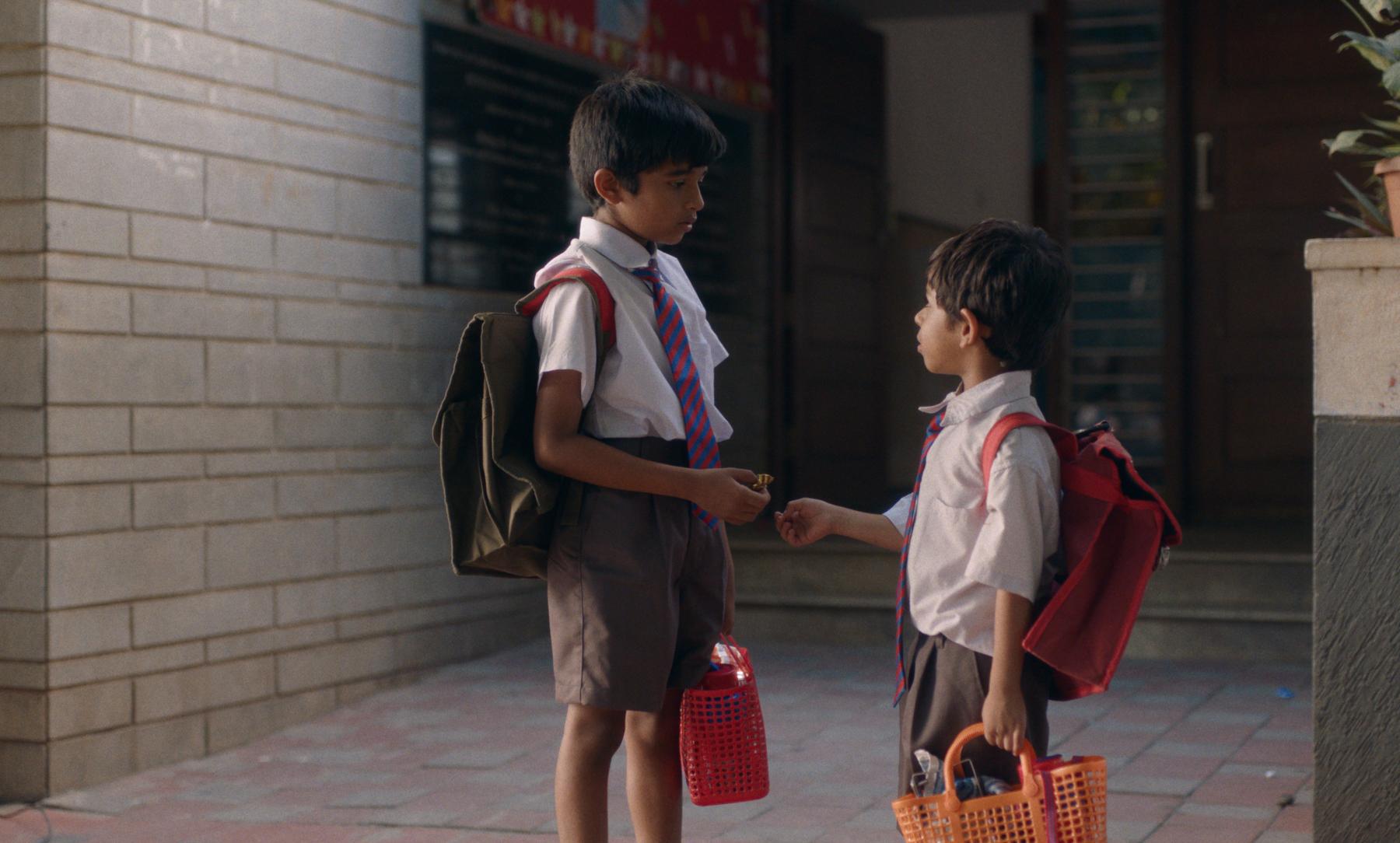
All images are stills from Don’t Tell Mother (2025) by Anoop Lokkur unless otherwise mentioned. Images courtesy of the director.
To learn more about films exploring fraught childhood experiences, read Kamayani Sharma’s essay on three Palestinian documentaries documenting childhoods amidst conflict, Ankan Kazi’s reflections on Mohsen Makhmalbaf’s Afghan Alphabet (2001) and Radhika Saraf’s essay on Samira Makhmalbaf’s At Five in the Afternoon (2003).
Also read Urooj’s note on childhood, erasure and storytelling titled “My plastic hairclips keep shining” featured as part of ASAP | Fiction.