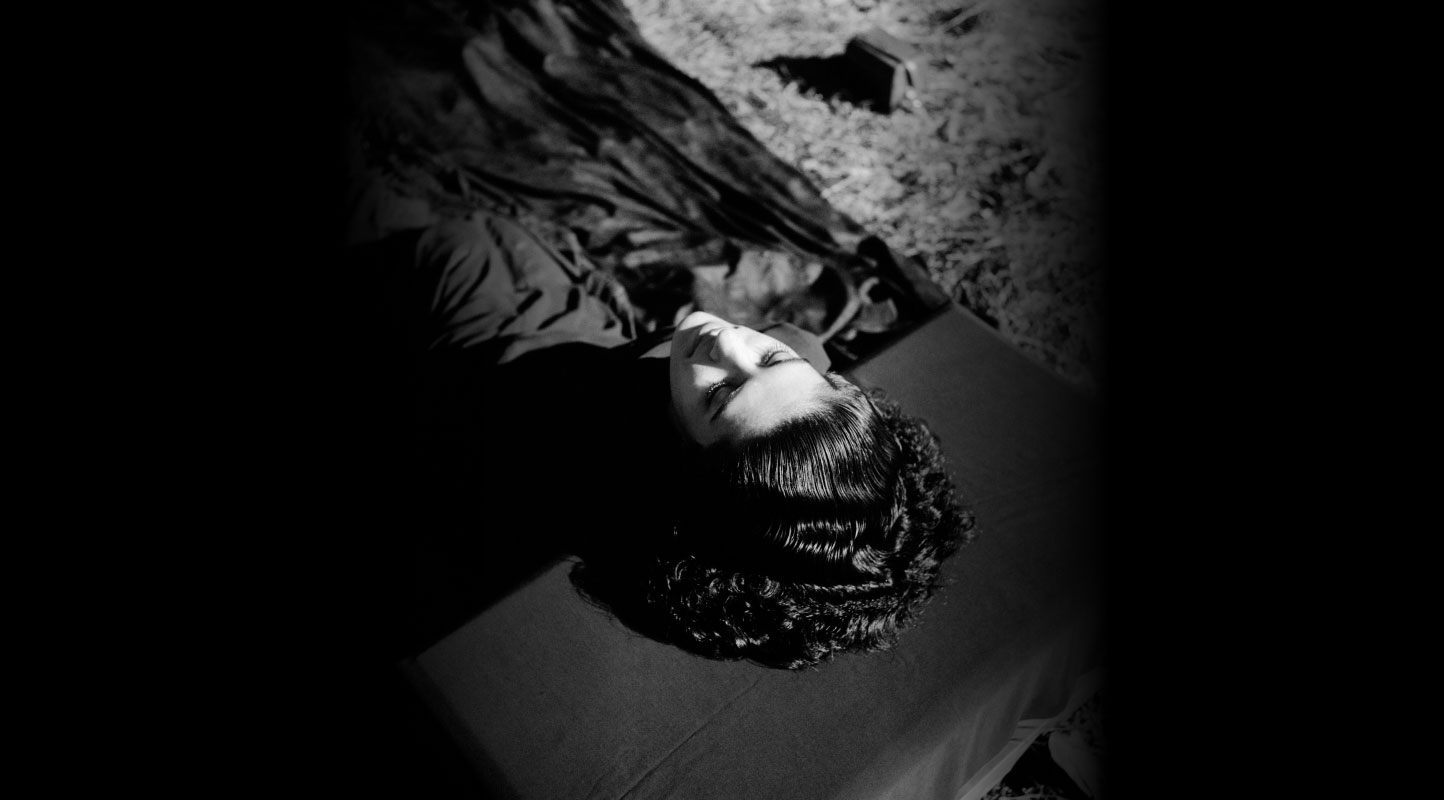


For Those Who Remain Undead: Dinesh Balasri’s Sagavaram
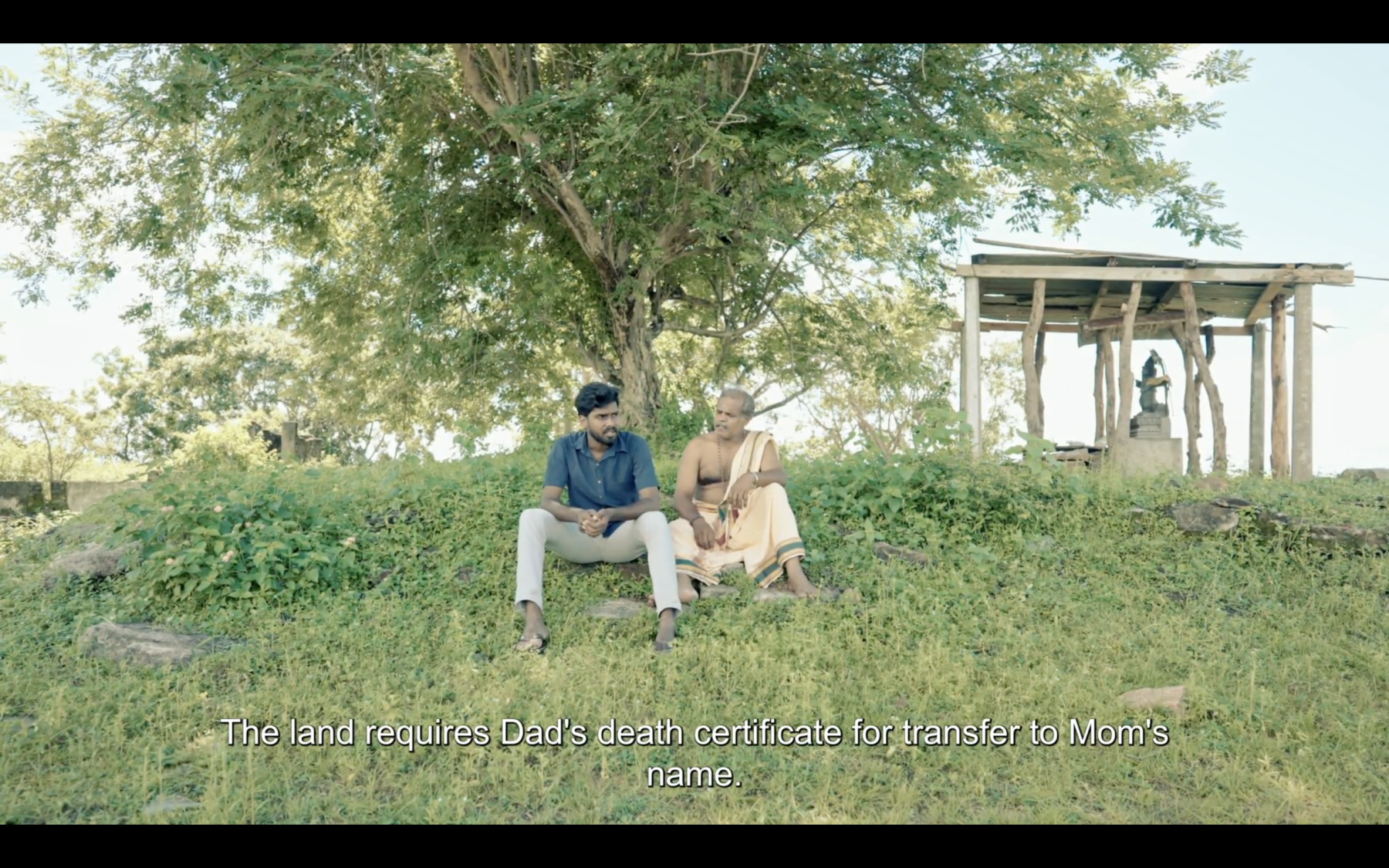
Screened at the Kolkata People’s Film Festival 2025, Dinesh Balasri’s Sagavaram (The Blessing of Immortality, 2024) begins at a railway track, with a mother and son engaging in a heated conversation about obtaining a death certificate for the father, who disappeared during the civil war between the Sri Lankan government and the Liberation Tigers of Tamil Eelam (LTTE). In the twelve years that have passed, Nalan believes that his mother, Maari, has been waiting for his father at a cost: that of his future, her future and an inability to lead a better life with access to more resources abroad. Director and screenwriter Dinesh Balasri, who grew up in Batticaloa in the East of Sri Lanka in the last decade of the war, tells this story by drawing from personal experiences and observations.
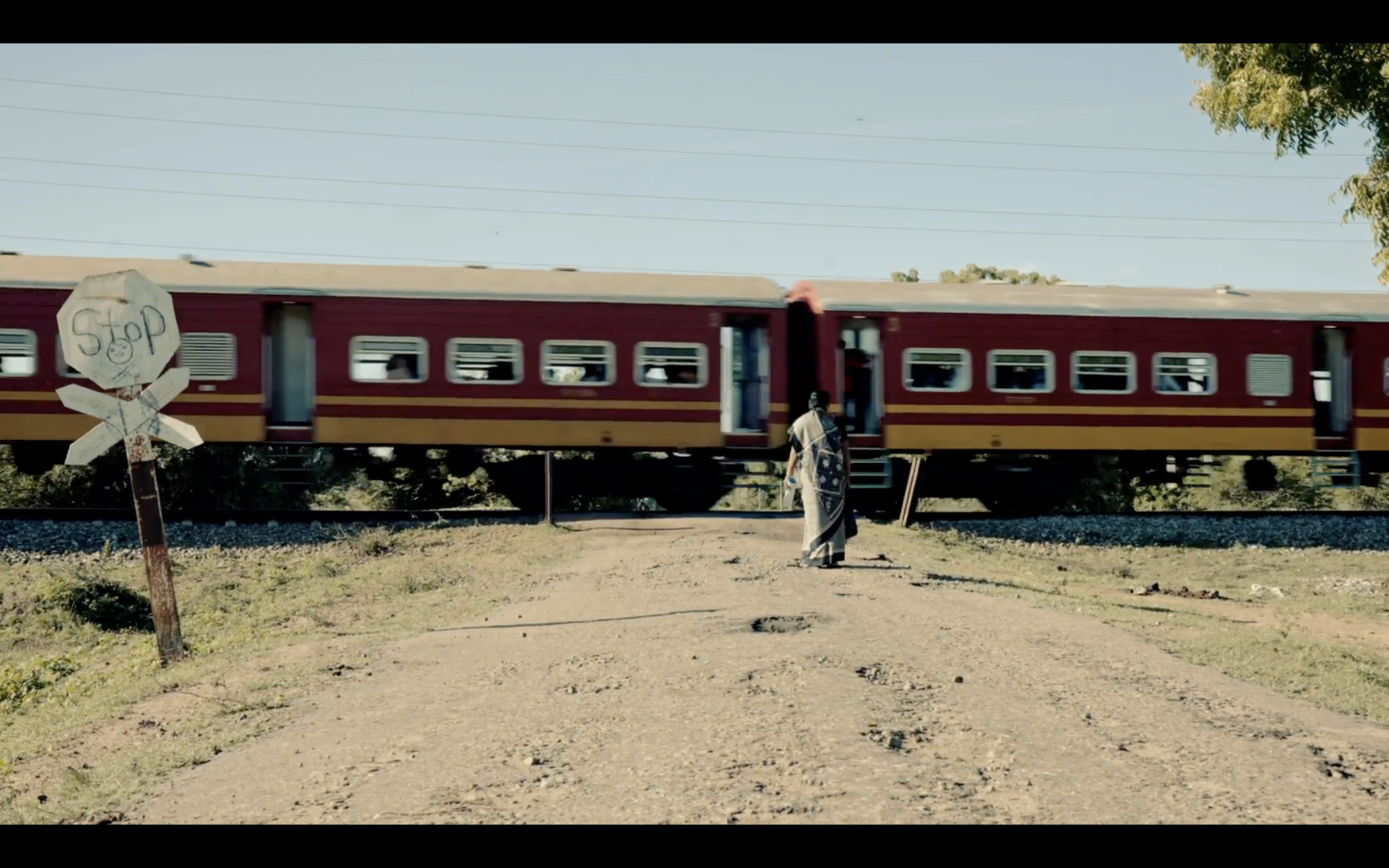
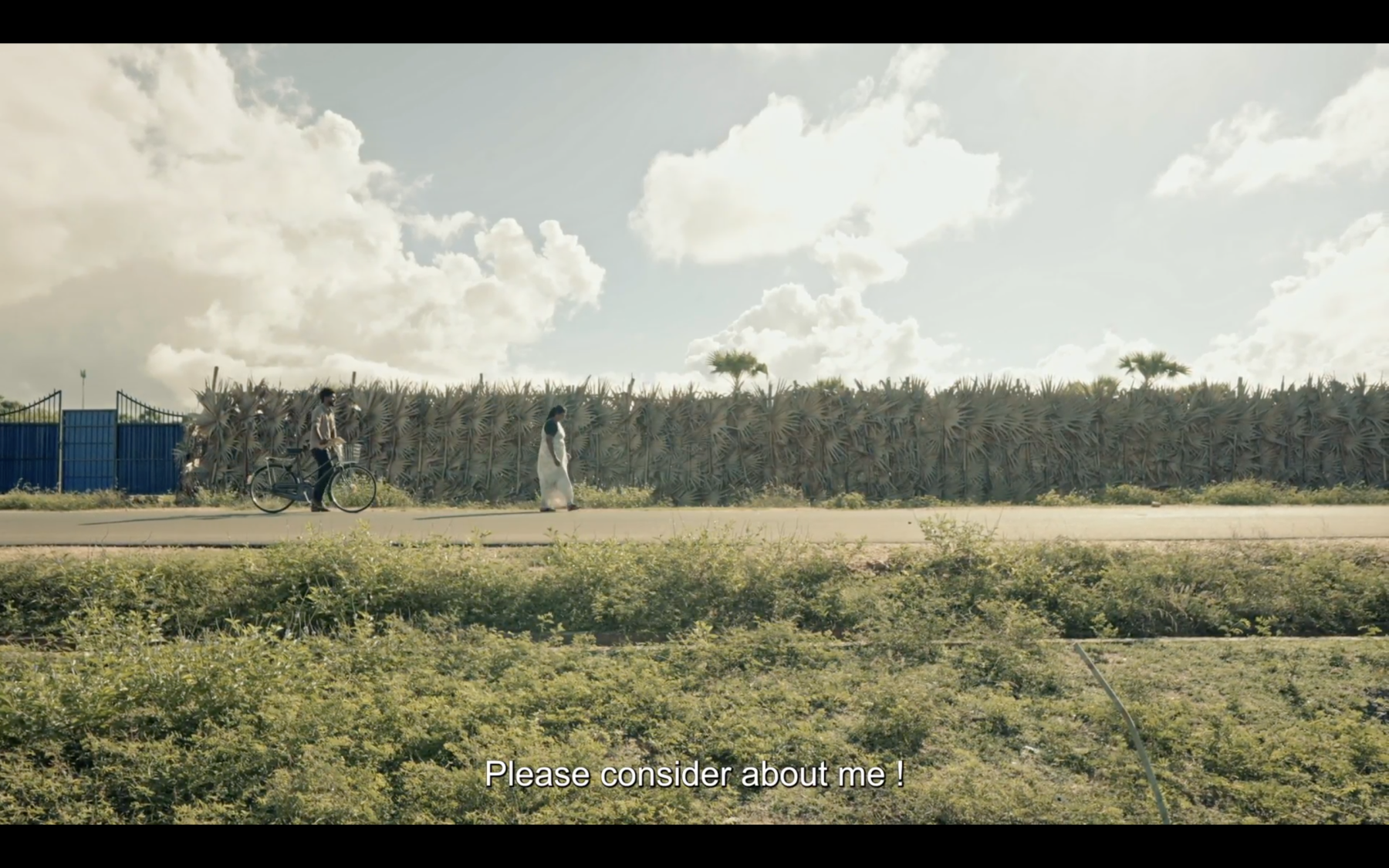
Balasri’s film belongs to the surge in conversations about intergenerational trauma caused by the war in Sri Lanka, especially in the Tamil-dominated areas of the North and East. As Nalan discovers an old anklet of his mother’s at his family home (which he soon plans to sell), his uncle tells him to leave it in the sand and not take it home as a memento. Some things must remain as they are: to be buried in spite of being “undead” in one’s mind. This analogy runs throughout the film and reminds us of the atrocities that occurred during the war in Sri Lanka, causing many to lead lives of desperation and hope after their loved ones were killed or forced to disappear. The mother waits in silence for the train in the beginning, middle, and end of Sagavaram. In the beginning, she is adamant about her husband’s return; in the middle, she continues to hope for the same but considers the future of her son as the legal technicality of obtaining a death certificate for her husband holds him back; in the end, she reaches a conclusion of silent protest as she goes in the opposite direction of the railway tracks towards a demonstration urging the government not to declare those disappeared as dead. Nalan, on the other hand, tries to remain “practical.” In spite of his knowledge about the demonstration, he walks in his own direction—upon getting the death certificate, it is presumed that he shall sell the family land and move abroad, carrying only his memories.
The complex analogy of the “undead” in the film is a reminder of how each Sri Lankan has had to process the loss of a loved one due to war. The film highlights the emotionality of loss through the perspective of a mother belonging to the Tamil community who still bears the pain of a disappeared husband. It is reminiscent of visual artist Susiman Nirmalavasan’s series White Curtain and Women (2016), with life-like portraiture of women from the artist’s neighbourhood in Batticaloa, who were indirectly affected by the war. Walking through the large tapestries developed like curtains, one is forced to remember as a mother’s eyes look back through an imaginary window or door: a threshold of the house many women remain bound by due to gendered socio-cultural norms in Sri Lanka. Sagavaram, too, reminds us of this threshold. It is unlike Prasanna Vithanage’s film Purahanda Kaluwara (Death on a Full Moon Day, 1997), made during a peace accord between the government and the LTTE, and which highlights the story of a visually impaired father who received the ‘remains’ of his son who served in the military. The father refuses to believe that there are any physical remains in the coffin that is brought to their village with much pomp and homage. He eventually digs it up to discover mere tree trunks devoid of a body, invalidating any claim for financial compensation due to the family since their son died on the battlefield. In contrast, Sagavaram tells us that there are many who do not receive any homage. Maari’s silence reminds us that some trauma remains unspoken, unseen and unheard. Balasri’s cinematic narrative captures such trauma as a key characteristic of the previous generation, which the following generations must remember as they move forward.
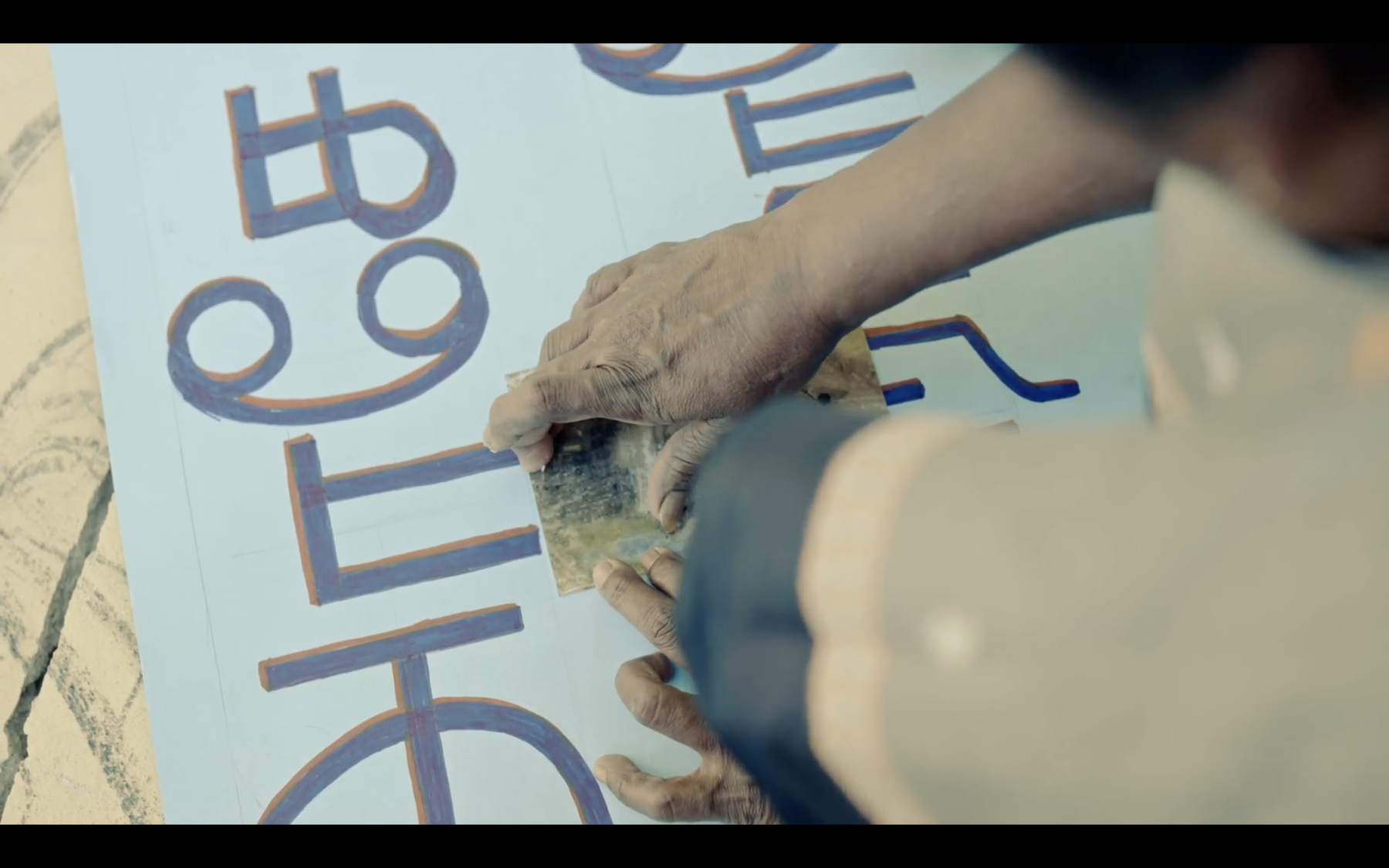
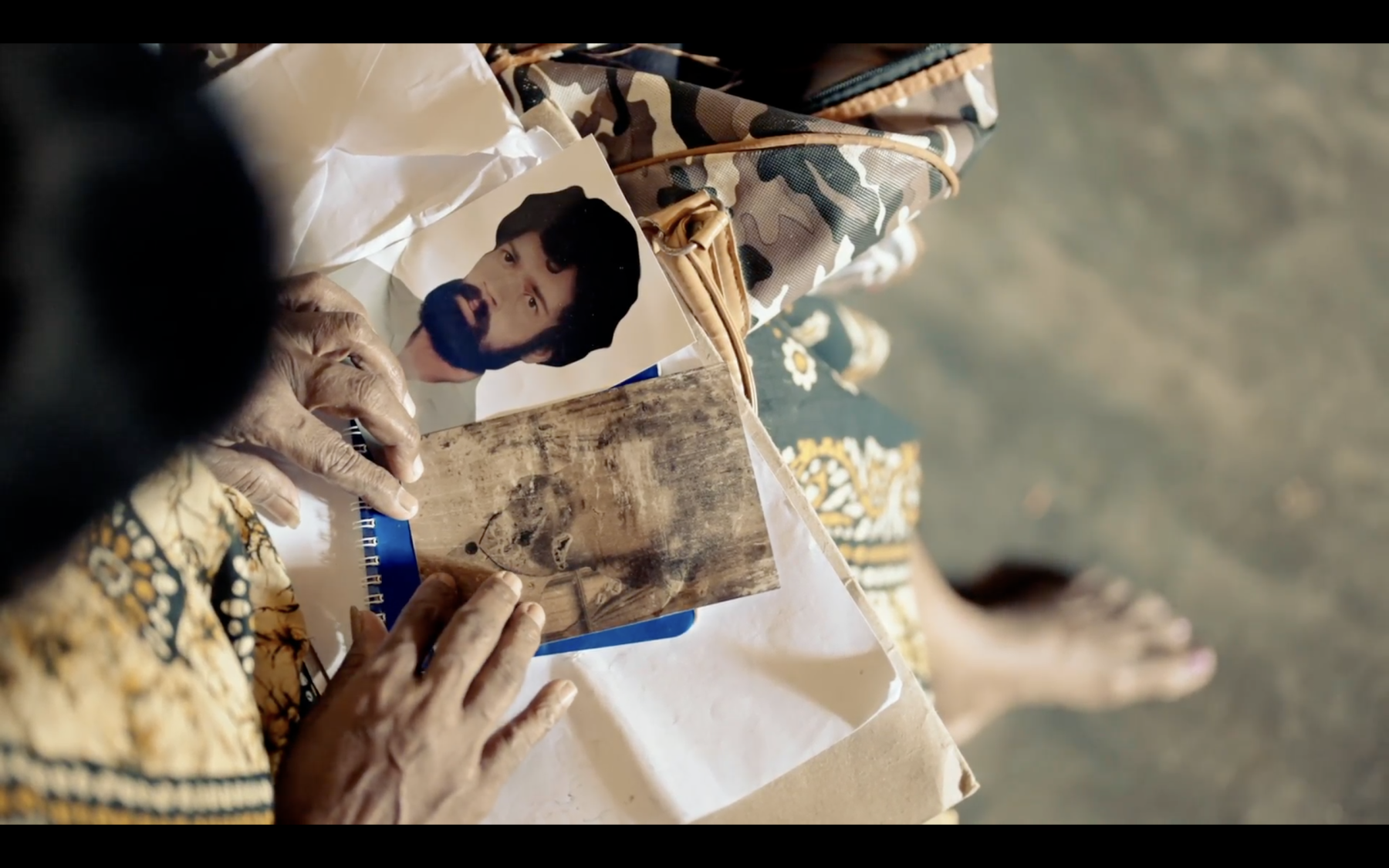
As slow-fading movements between frames take us from one moment to the other, there are pregnant pauses, which speak to the patience, hope and prolonged emotional devastation caused by the war. CR Rajeswary, who plays the role of the mother, emotes with affective care as her presence fills each frame with coded memories. In one sequence, she holds two photos of her husband—one in black-and-white and another which has been technologically enhanced and coloured. Her trembling and tired hands are invigorated while holding the photos, as evinced in her light strokes over them. The sound design of the film—also done by Balasri—is evocative, as we can hear even the lightest of strokes that Maari makes while touching the photos. The loud trains emulate state mechanisms that decide a person’s removal, life, death and disappearance during a war. Sound in such a moving film filled with quietude is the strongest element—a mission Balasri has understood and fulfilled. Narratives of this nature by young and emerging filmmakers of Sri Lankan origin are needed more than ever today for the learning and unlearning of new generations that are born into the intergenerational trauma of the war.
To learn more about films about the Sri Lankan civil war and its aftermath, read Adil Manzoor’s reflections on Jacob Luke Jeroshan’s The Last Endless Night (2025), Pramodha Weerasekera’s essay on Sumathy Sivamohan’s film Sons and Fathers (2017) and Annalisa Mansukhani’s reflections on Leena Manimekalai’s White Van Stories (2014).
To learn more about the films screened at KPFF 2025, watch Vishal George’s conversation with Thomas Sideris on the film Gas Stations or The Pigeons of Lahore (2024), read Kshiraja’s essays on Sara Saini’s In the Wake of Remembering (2024) and Nishtha Jain’s Farming the Revolution (2024) and Sahil Kureshi’s reflections on Sanjiv Shah’s Hun, Hunshi, Hunshilal (1992).
All images are stills from Sagavaram (2024) by Dinesh Balasri. Images courtesy of the director.