

Bharathiraja: The Neo-Nativity Auteur in Tamil Cinema
Bharathiraja (1941-2026), born as Chinnasamy, came from a humble background in the Theni region of Tamil Nadu, and left an indelible mark with almost five decades of a successful film career in the century-old history of Tamil cinema. Village-based films became the eponymous genre that defines Bharathiraja, and his life and aesthetic are synonymous with his films, giving an organic, ethnographic texture to his cinema from the countryside.
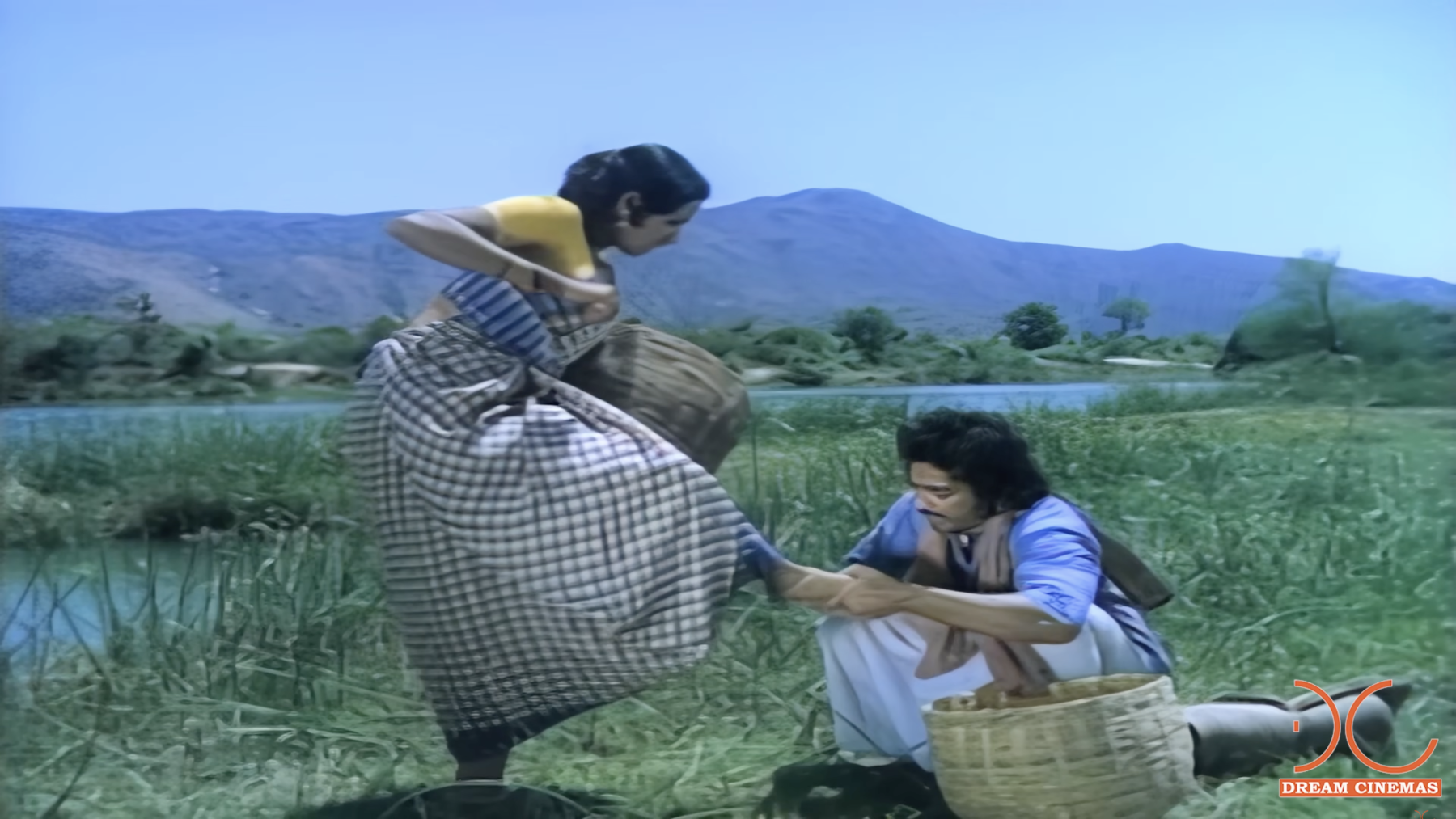
During the period when Tamil cinema was dominated by dramatic performances, exaggerated dialogues in classical Tamil and films made within confined studio floors, there came 16 Vayathinile (At the Age of 16, 1977)—Bharathiraja’s maiden film. Shot entirely in real village locations, it would redefine the nature of Tamil cinema for almost half a century.
The late 1970s were ruled by two legendary actors—M.G. Ramachandran and Sivaji Ganesan—and their village-based stories. However, with 16 Vayathinile, the camera moved from indoor studios to a refreshing natural rural environment for the first time in Tamil cinema; the film introduced a distinct aesthetic grammar in the representation of people, landscape and the soundscape of the Tamil village, changing the language of portraying nativity in Tamil cinema.
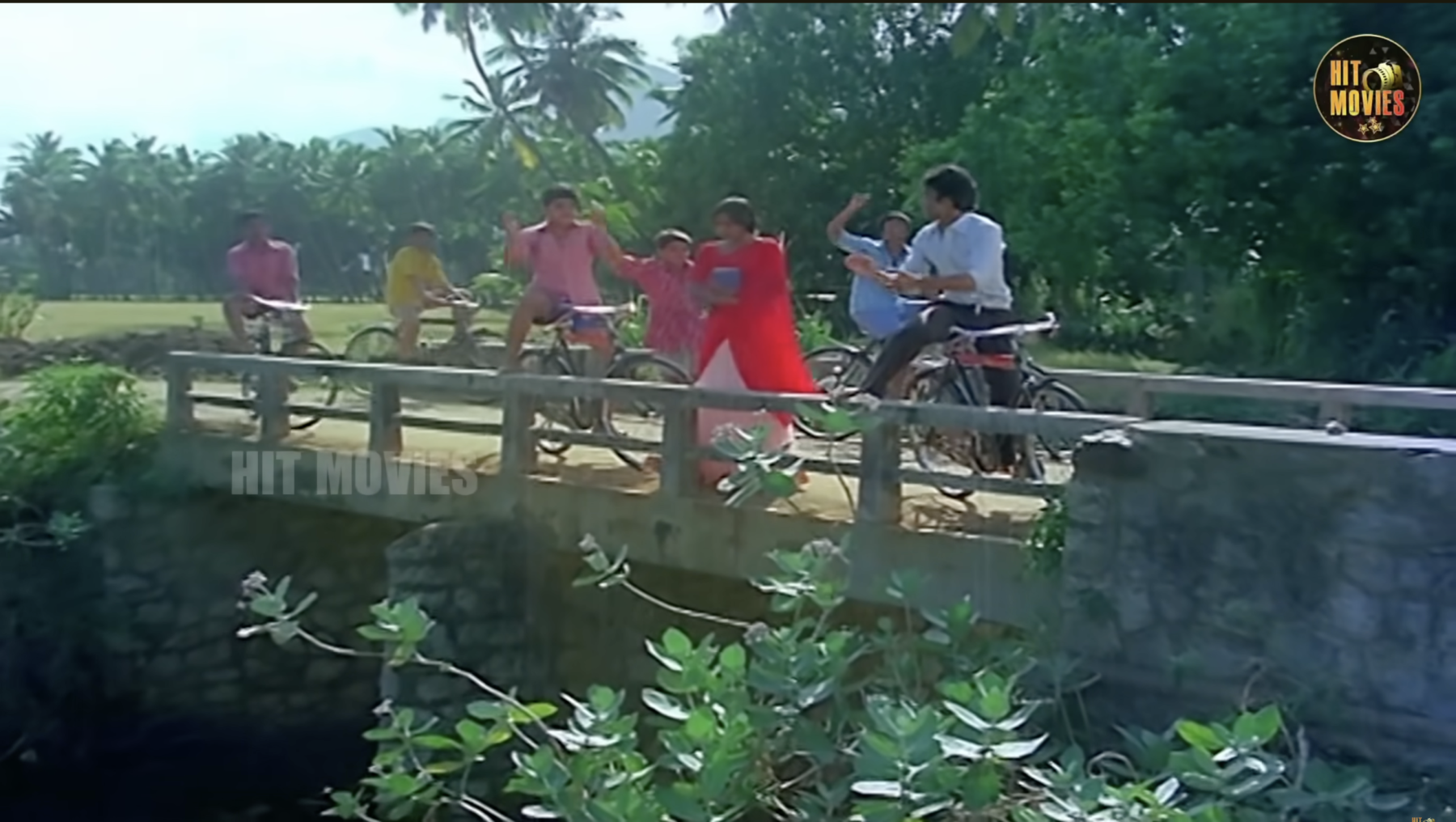
Regarded as the pioneer of “neo-nativity films”—a term coined by Tamil cultural theorist Sundar Kaali—in Tamil cinema, Bharathiraja treated his village cinema not merely as a representation of the village, but as a living, emotional space. Set in southern Tamil Nadu, his films depicted the rural with real characters from villages—dark-skinned protagonists dressed in simple attire with minimal make-up.
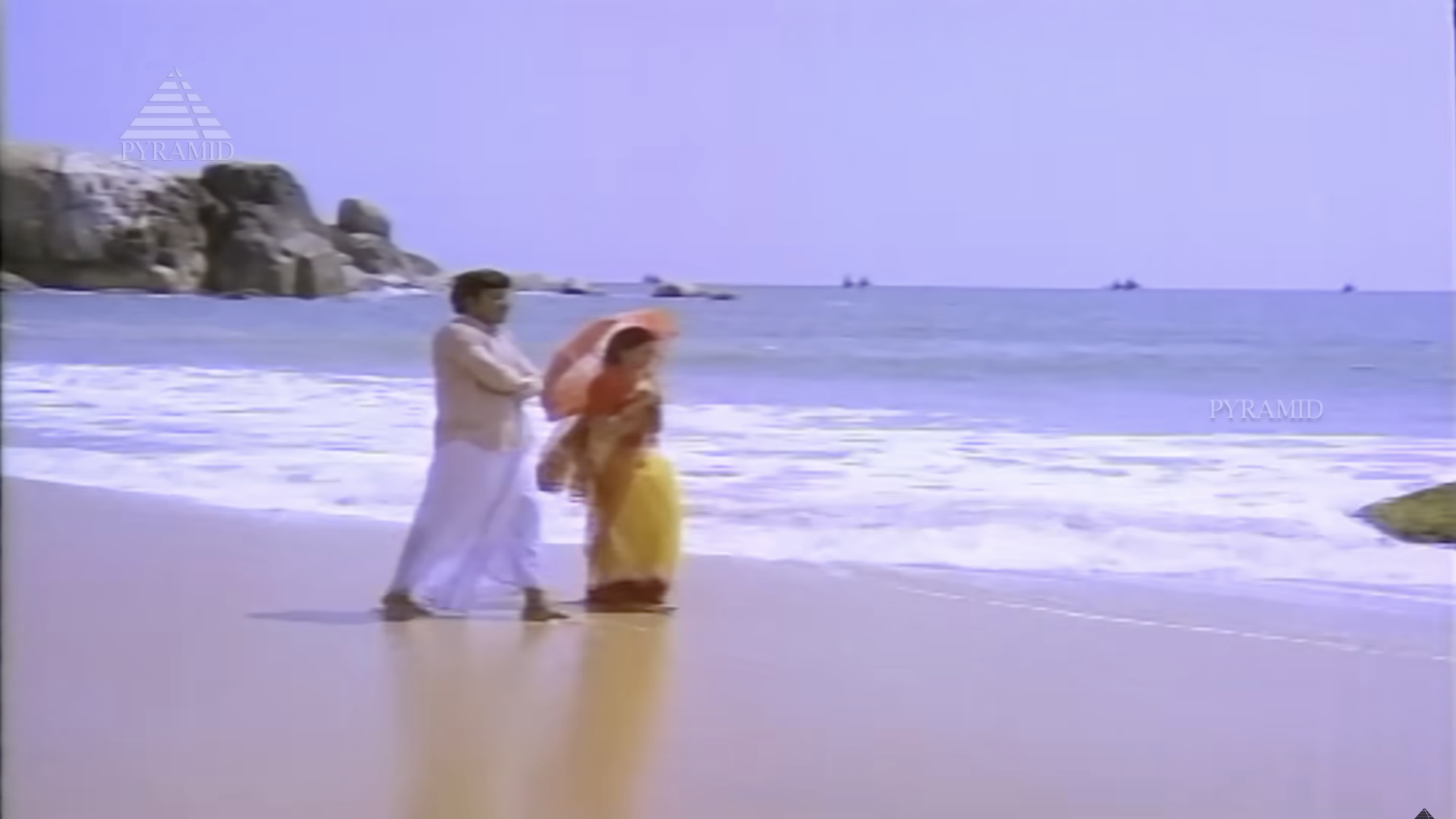
His long-term collaborations with cinematographers P.S. Nivas and B. Kannan captured the real village landscape—the dry, arid warmth; the dusty roads; the lands and fields filled with red and black soil; the tank bunds; the rivers; the mountains; the bullocks; the silhouettes of palmyra trees; and in films like Alaigal Oivathillai (Waves Never Cease, 1981) and Kadalora Kavithaigal (Seashore Poems, 1986), the southern seashore.
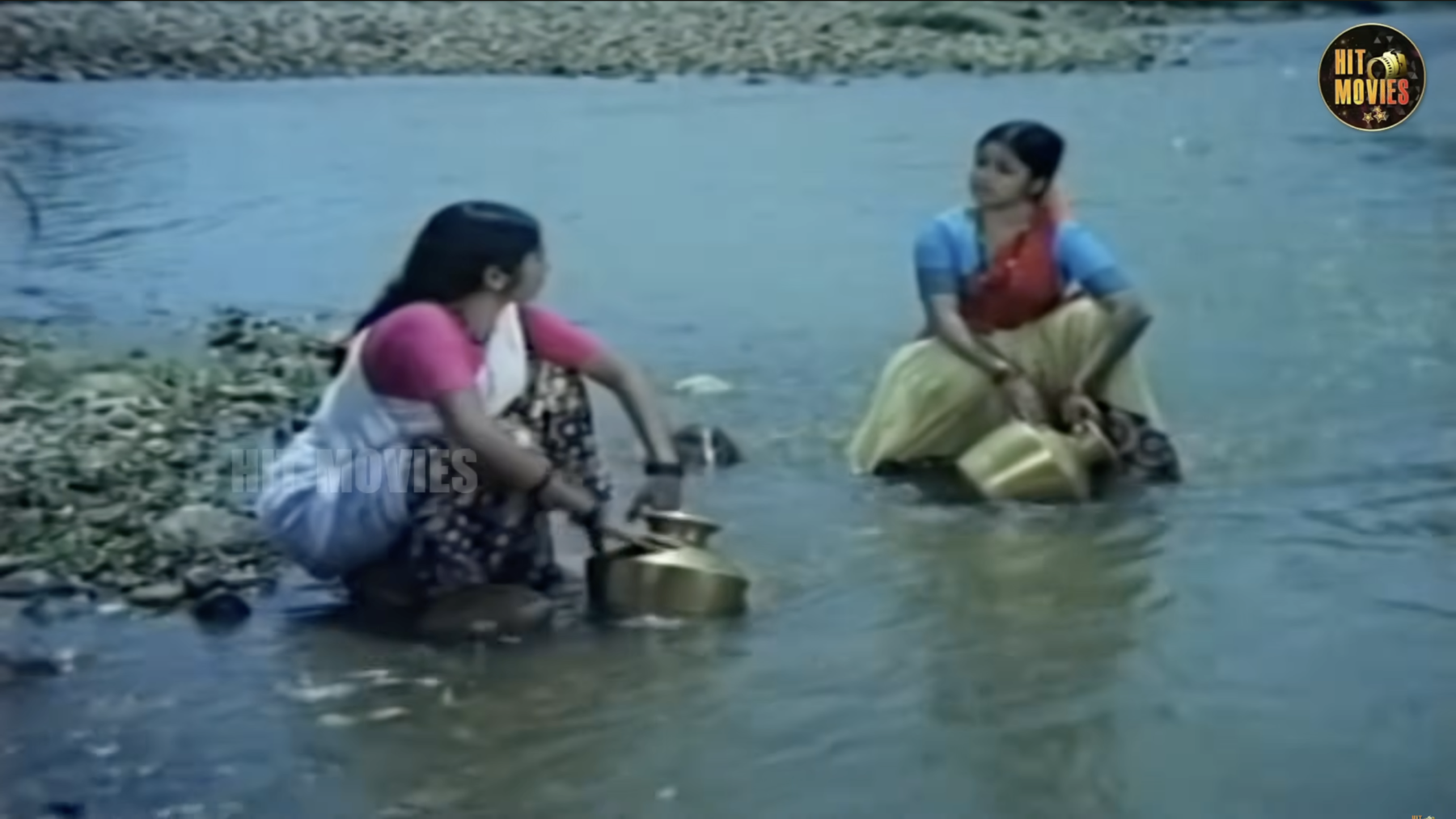
Still from Kizhakke Pogum Rail (1978).
In the 1970s, films such as 16 Vayathinile (1977), Kizhakke Pogum Rail (Eastbound Train, 1978), Puthiya Vaarpugal (New Mouldings, 1979) and Niram Maaratha Pookkal (Unfading Flowers, 1979), marked the beginning of rural realism by moving from studio sets to real villages, establishing Bharathiraja’s mann vasanai (fragrance of the soil) aesthetic.
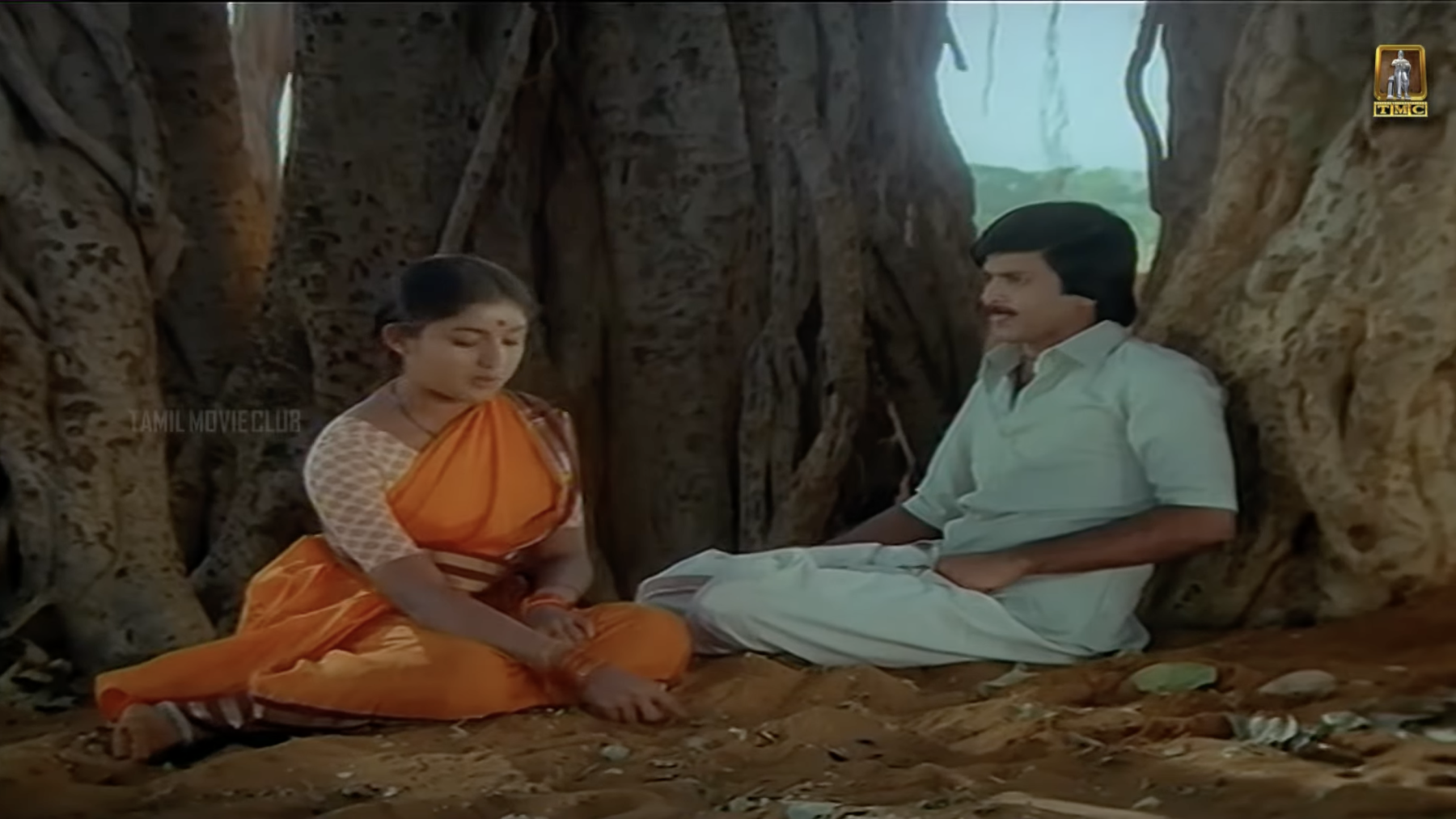
Still from Mann Vasanai (1983).
In the 1980s, films like Nizhalgal (Shadows, 1980) depicted unemployment in urban settings with realism while Alaigal Oivathillai (1981), Mann Vasanai (Fragrance of the Soil, 1983), Muthal Mariyathai (First Honour, 1985), Kadalora Kavithaigal (1986) and Vedham Pudhithu (The New Vedas, 1987) deepened the interrogation of caste, love and rural social structures.
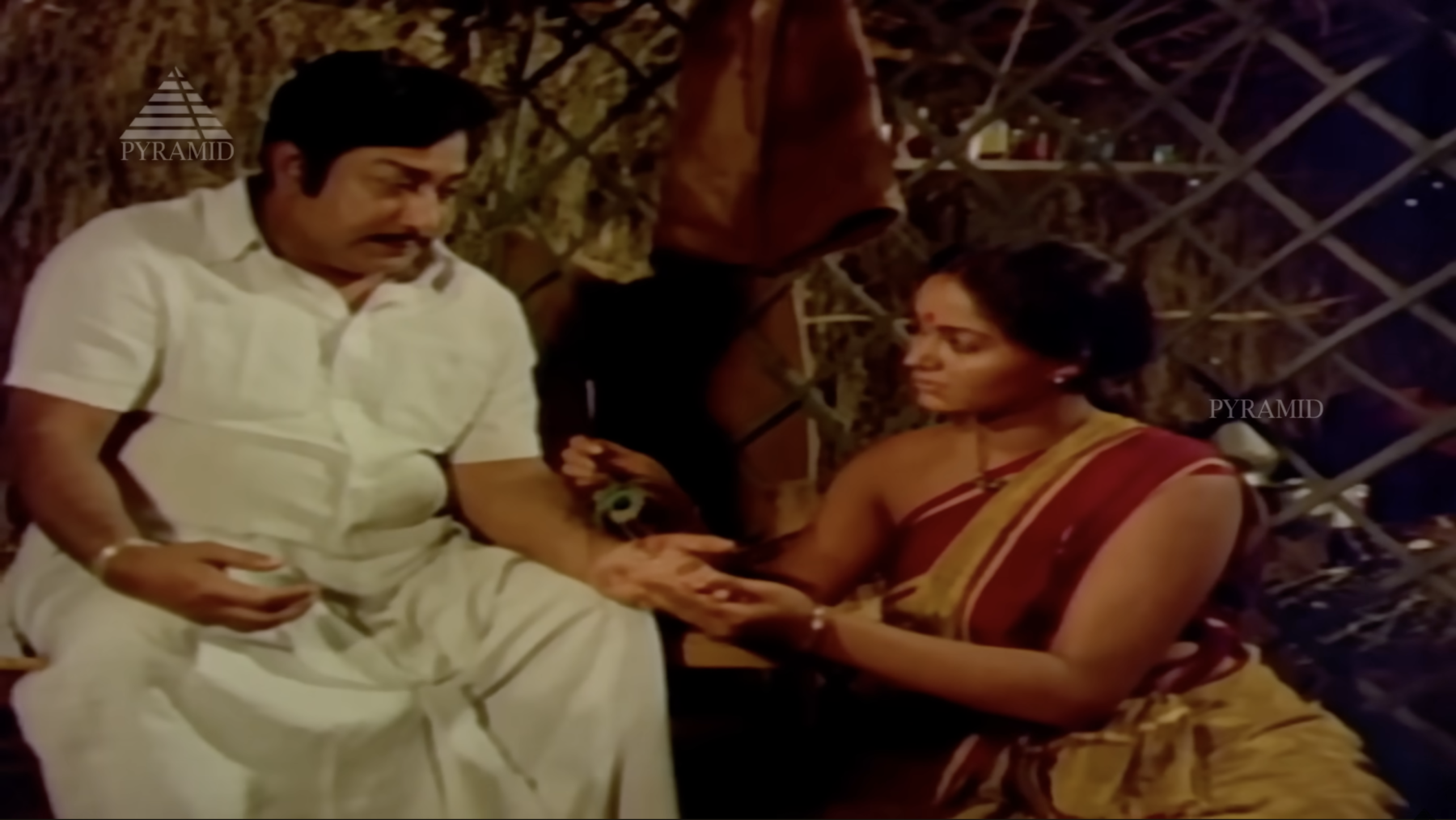
Still from Muthal Mariyathai (1985).
Meticulously documenting everyday social life—village festivals and associated sports like Jallikattu and Silambam; caste tensions; family feuds and relationships; customs and traditions of the community; and social conflicts within the village geography—Bharathiraja’s vision was rooted in nativity and closely tied to the region and its people. As he said: “My characters are not from any alien world.”
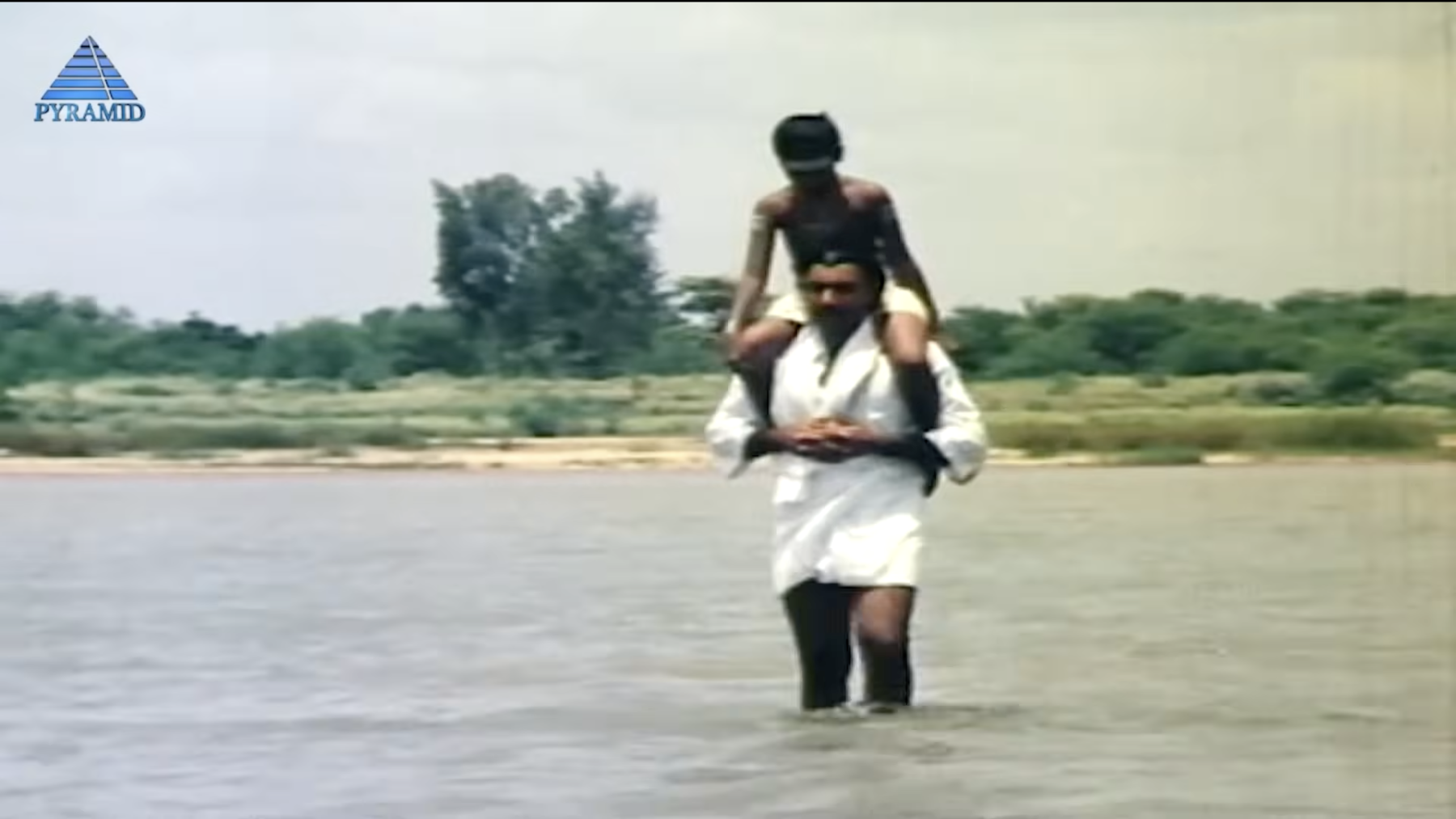
Still from Vedham Pudhithu (1987).
By the late 1980s and 1990s, Bharathiraja presented a political and caste-conscious village cinema with films that showed southern Tamil Nadu as a socio-cultural space shaped by caste, land, valour and honour. These included Pudhu Nellu Pudhu Naathu (New Paddy, New Seedlings, 1991), Nadodi Thendral (The Nomadic Breeze, 1992), Kizhakku Cheemayile (In the Eastern Territory, 1993), Karuthamma (Dark Girl, 1994) and Pasumpon (Pure Gold, 1995).
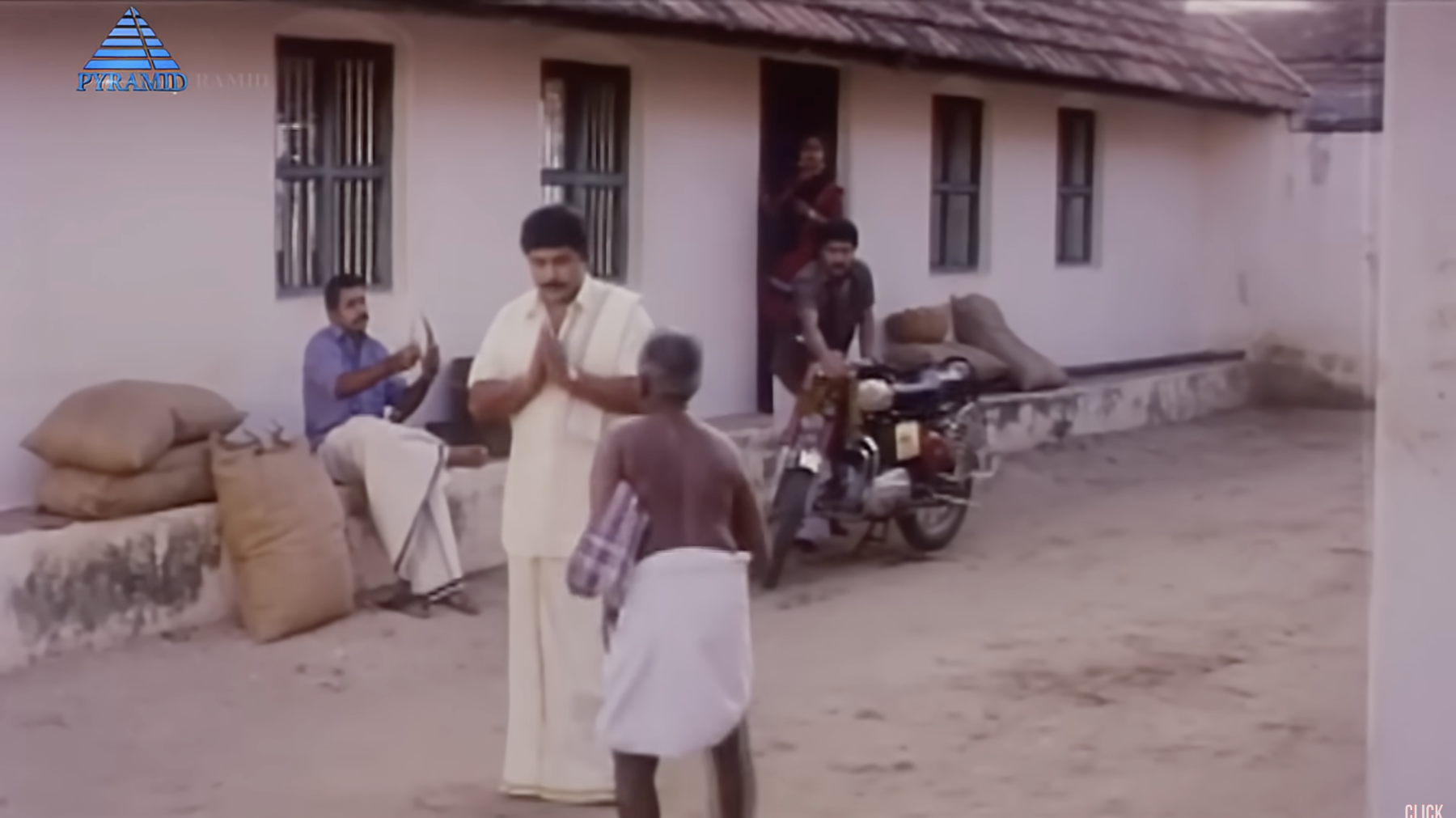
Still from Pasumpon (1995).
Also notable for their long-standing association with songs and music, Bharathiraja’s long-term collaborations with several iconic composers such as Ilaiyaraaja, A.R. Rahman and Devendran ensured his films vividly captured the sonic elements of the village, giving an authentic texture to the films and their soundscapes. For lyrics, he worked with legendary writers such as Vairamuthu, Panchu Arunachalam, Kannadasan, Gangai Amaran and Muthulingam, producing some of the most poetic, nature-inspired and culturally rich songs in the history of Tamil cinema. However, his most industry-redefining partnerships were with the maestro Ilaiyaraaja and Vairamuthu. This trio—Bharathiraja, Ilaiyaraaja and Vairamuthu—from the Theni hinterland of southern Tamil Nadu, dominated Tamil cinema for many decades, producing remarkable songs and background scores suited to picturisation, with regionally rich and earthy lyrics.
To name a few from his films, songs such as “Senthoora Poove,” “Aayiram Malargale,” “Poongaatru Thirumbuma,” “Antha Nilava Thaan,” “Pothi Vacha Malliga Mottu,” “Vetti Veru Vaasam,” “Raasave Unna Nambi,” “Ithu Oru Ponmalai Pozhudhu,” “Madai Thiranthu,” “Aayiram Thamarai Mottukkale,” “Aathangara Marame,” “Maanoothu Mandhaiyilae,” “Porale Ponnuthayi” and “Adi Aathadi” carry recurring values, ranging from rural nativity sounds to folk, caste, romantic and emotional intensities. Many of these songs have become part of everyday rural sound culture and are heard during village festivals, household events, kinship practices and rituals. Even today, somewhere in southern Tamil Nadu, one can hear his film songs, which have become culturally embedded in Tamil life.
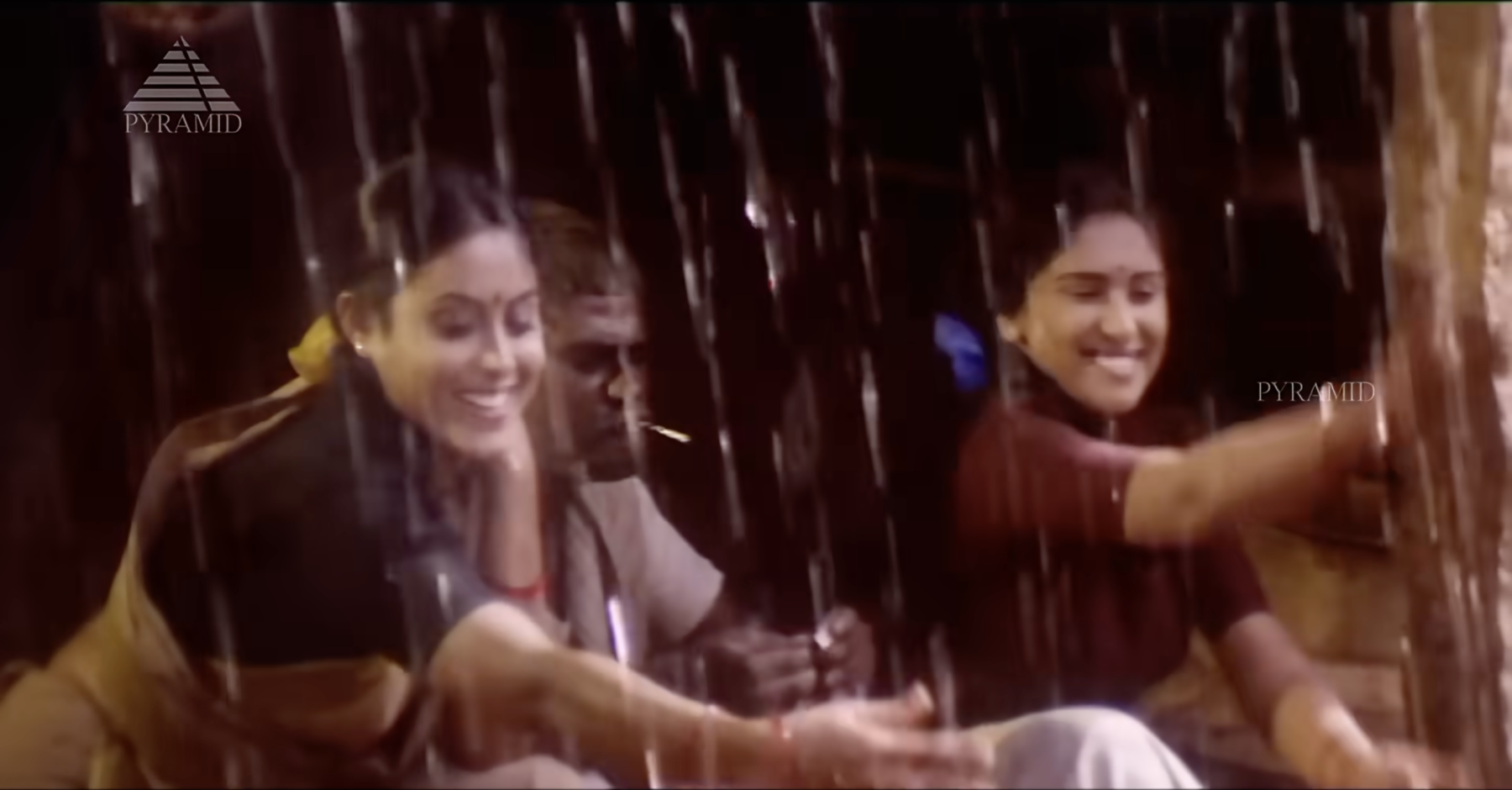
Still from Karuthamma (1994).
Bharathiraja’s films are part of everyday household viewing, especially in matinee shows that bring the whole family together. Films such as Karuthamma, Pasumpon, Muthal Mariyathai and Kizhakku Cheemayile are some of his popular social dramas that still draw our attention.
I have a fond memory of listening to Kathai Vasanam (Story and Dialogue)—the full audio version—of 16 Vayathinile on a cassette tape, which was later replaced by the arrival of BPL television with antenna sets. In that audio version, I would particularly wait for the intentional donkey bray in the song “Aatukutti Muttai Ittu” (“Goat Laying Egg”)—a song with deliberate absurdities—which interrupts Chappani’s (Kamal Haasan) attempts to display his singing talent to the heroine through complex ragas.
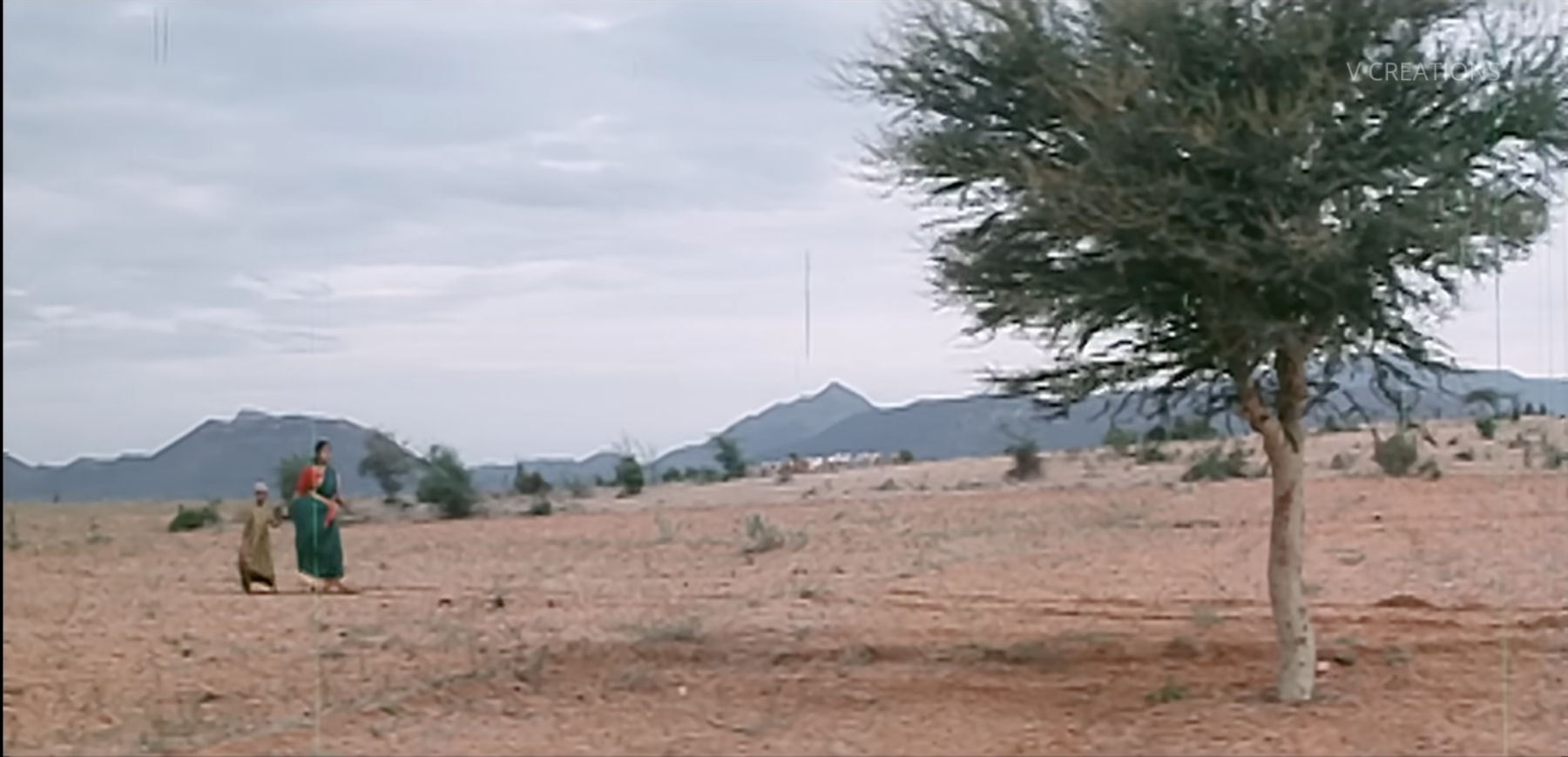
Still from Kizhakku Cheemayile (1993).
Bharathiraja’s iconic salutation, “En Iniya Tamizh Makkale” (My beloved Tamil people), which appears in the title cards of his films and which he often relayed on stage in his distinct, inimitable voice, will now remain silent as he passes away, leaving us behind to dream, think and write about cinema. To this master filmmaker, Iyakkunar Imayam (The Pinnacle of Directors) and an artiste of this millenium, we bid our goodbyes.
To learn more about Tamil cinema, read Satyavrat KK’s essay on R. Parthiban’s films and his journey in cinema, Sumaiya Mustafa’s two-part reviews of Mari Selvaraj’s Bison Kaalamaadan (2025), Samuvel Arputharaj’s Manjolai (2024) and Arun Karthick’s Nasir (2020), and Steevez’s review of MKP Gridaran’s Dalit Subbaiah: Voice of the Rebels (2025) and two-part essay on censorship and Tamil political cinema.
All stills are from Bharathiraja’s films. Images copyright with the filmmaker.