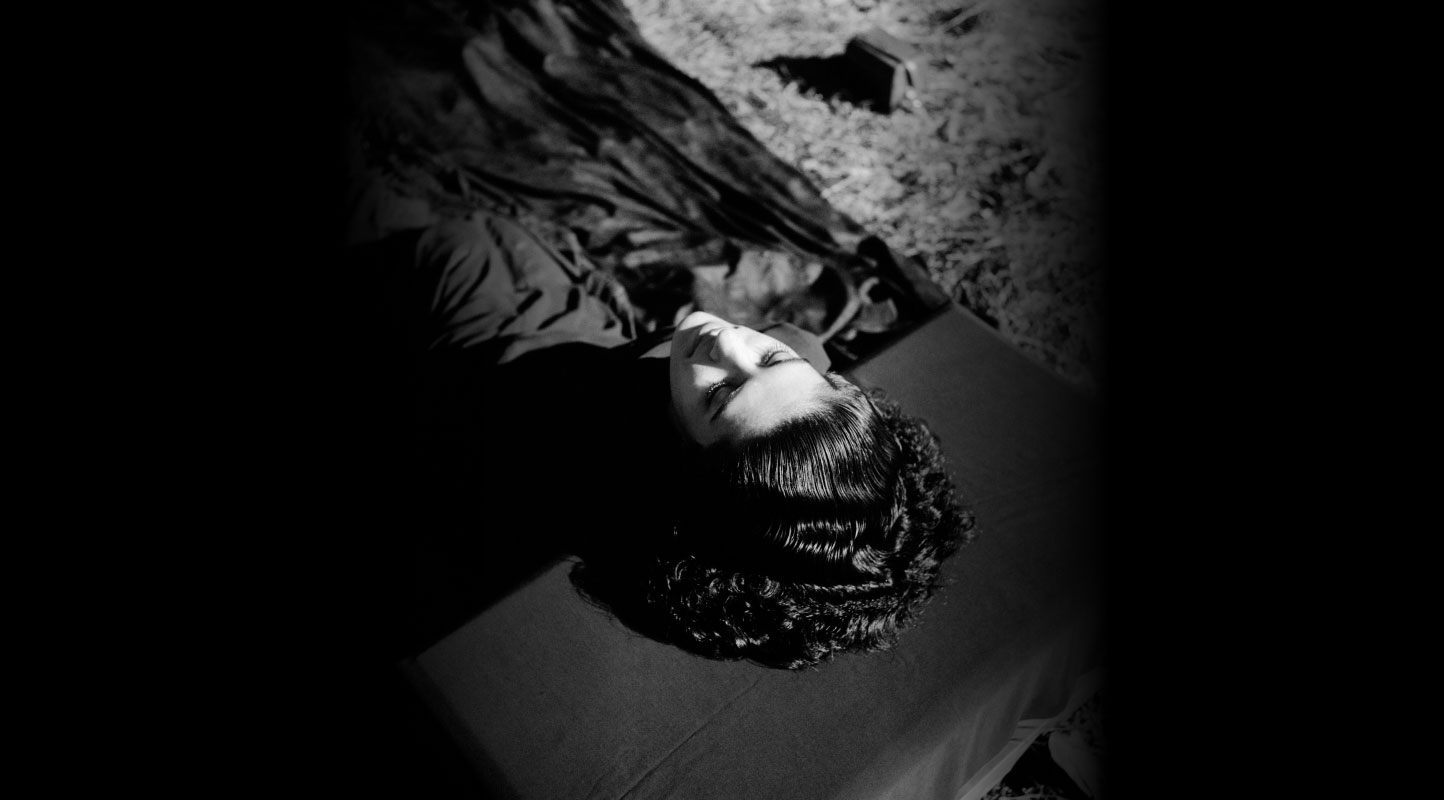


Souleymane Cissé’s Finye: On Post-Colonial Resistance and African Cinema
When Souleymane Cissé conducted a press conference in early 2025, ahead of the highly anticipated Panafrican Film and Television Festival of Ouagadougou which he was to chair, no one would have thought it would be his last public appearance. The celebrated "grandfather of African cinema" went to have a nap after the event and never woke up, leaving behind a legacy that forever transformed the landscape of African cinema.
Forging a distinctive path amidst resource constraints and even brief imprisonment, the Malian filmmaker consistently expressed his disinterest in justifying his cinematic choices to international audiences. Cissé made films in local languages, drawing from indigenous traditions and stories: “For me, cinema is first and foremost about cultural identity,” he said in his final interview.”
This authentic approach garnered critical acclaim from both peers and global audiences, proving that the most culturally grounded work often achieves the most resonance. Cissé won the Cannes Jury Prize in 1987 and, in 2023, received the Carrosse d’Or (Golden Coach) for “bold” and “pioneering” cinematic contributions.
I had a chance to watch Finye (The Wind, 1982) at the British Film Institute’s festival in London, where curator Keith Shiri described Cissé as a griot of his country, Mali. In West African tradition, this role is entrusted to those who possess both the responsibility and the gift to tell stories—a designation that perfectly captures Cissé’s relationship to his craft and community.
Finye weaves multiple themes into the story: corruption permeating political and educational systems, women’s status, patriarchy’s enduring grip and the contested place of indigenous knowledge in post-colonial society. It does so through an intimate portrayal of love and resistance in post-independence Mali.
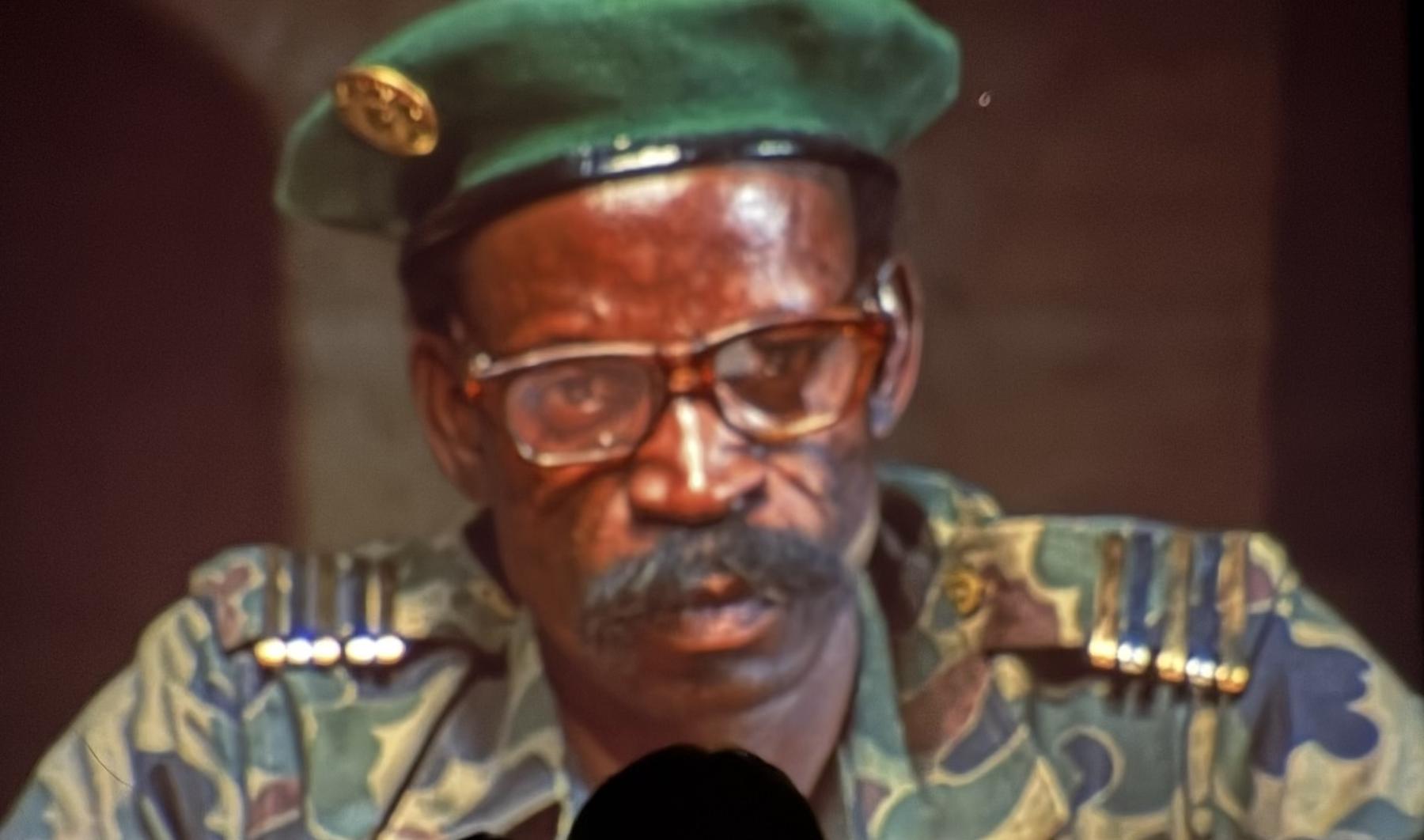
Set under military rule, the film follows two student lovers caught between worlds: Bah, the grandson of a tribal Bambara chief, and Batrou, the daughter of a provincial military commander. Their romance becomes a microcosm of broader societal tensions, as both families oppose the relationship.
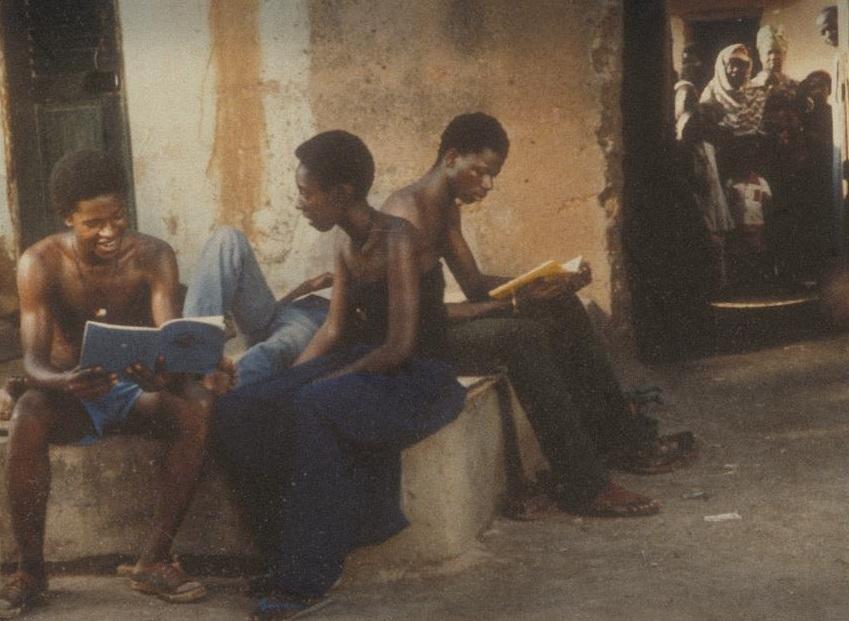
Cissé's directional approach mirrors his characters' psychological state. In its first half, the deliberately wandering camera captures the everyday life of young people: they hangout, take drugs and worry about school exam results. This impasse unfolds against a backdrop of profound political change as dissatisfied Malian students rise against the establishment. The atmosphere shifts, and students showcase remarkable bravery, self-reliance and organisational skills. The light colour palette reinforces the film's themes of vitality and renewal, which suits young people as they pulse with life and are marked by both human flaws and remarkable resilience.
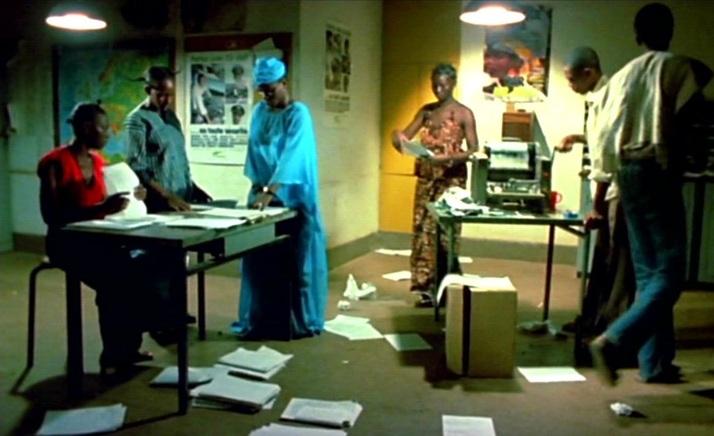
Refusing binaries of both "modernity" and "tradition", Finye instead allows viewers to witness their complex interplay. While the status of women remains constrained—evident in scenes of domestic violence or where all requests, including school fee payments, must be approved by men—the film reveals intricate dynamics of power, sisterhood and wisdom that women employ to survive and flourish.
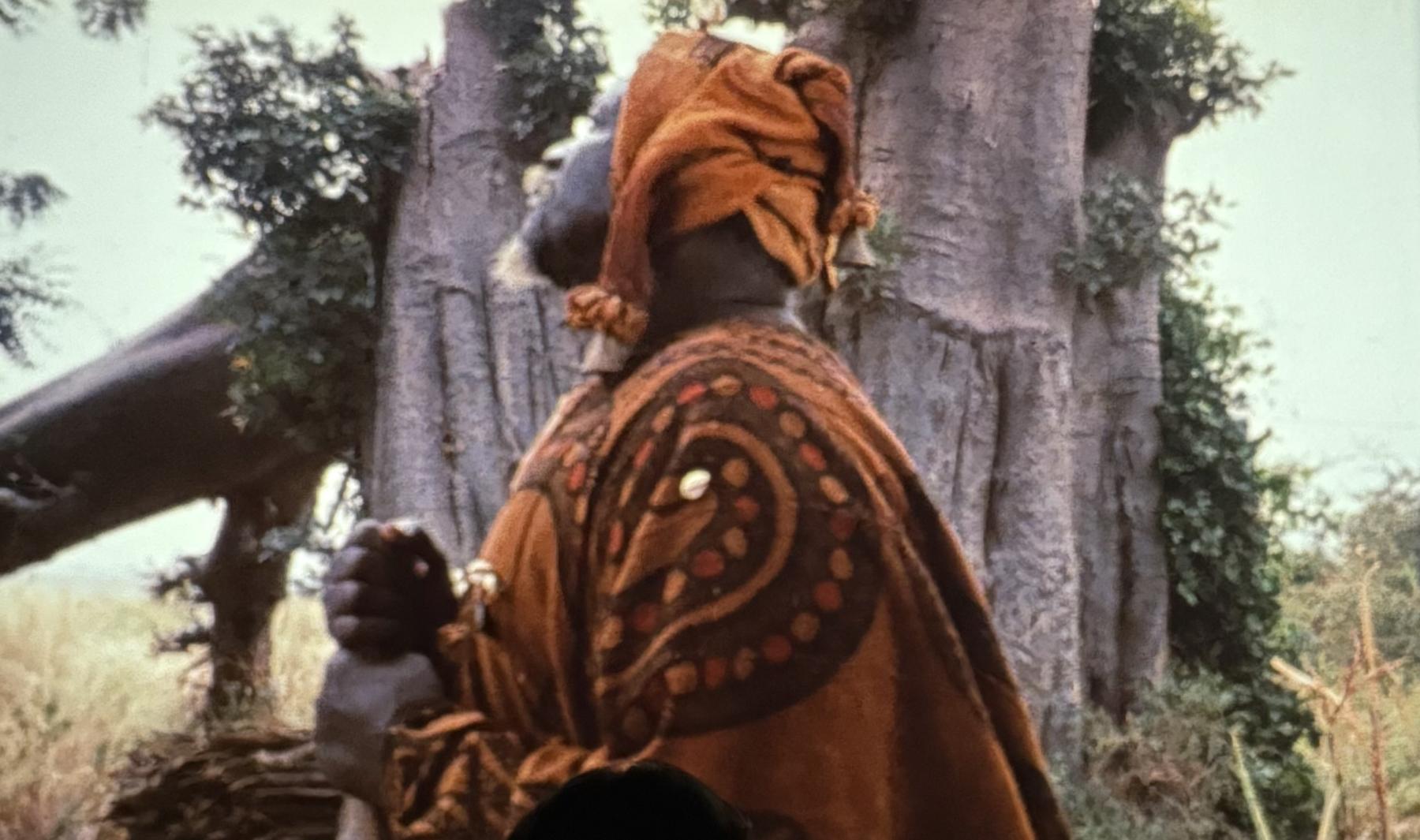
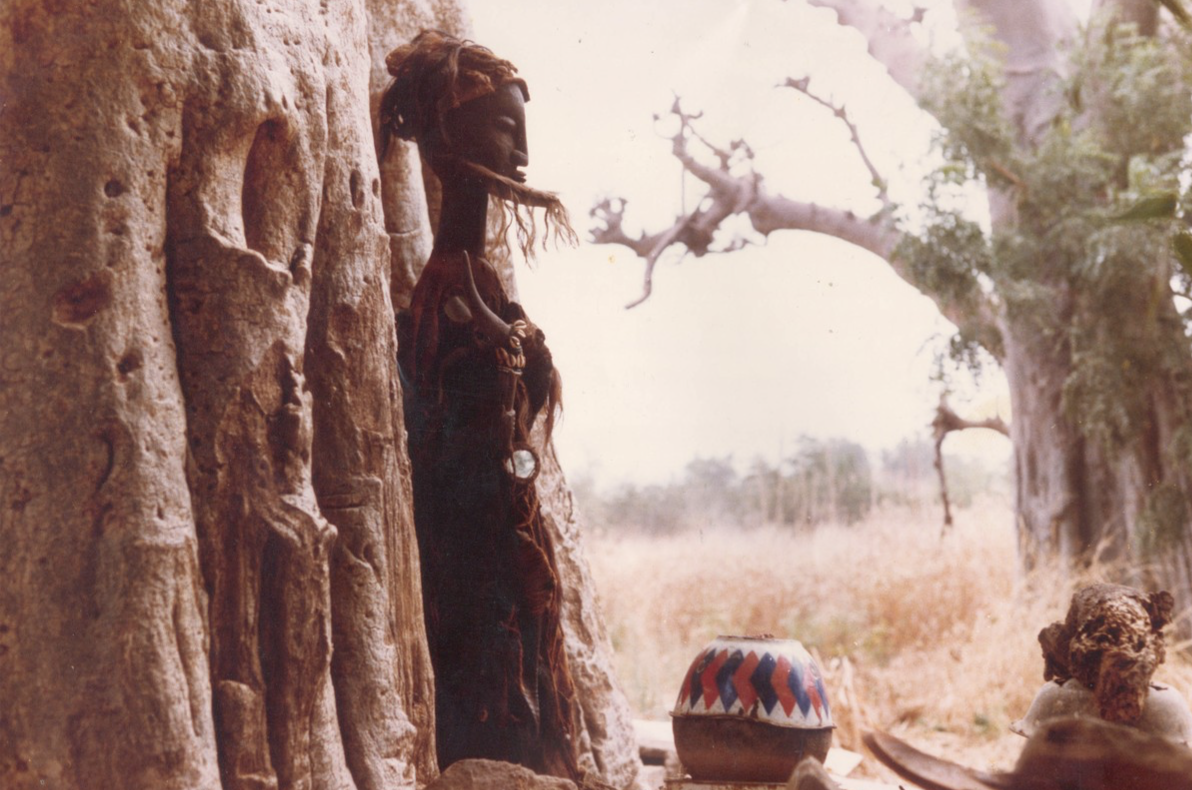
Scenes of military authorities rounding up students for opposing the regime are interwoven with those of Bah’s grandfather, a village elder, seeking guidance from ancestral spirits. In this manner, Finye gestures toward the possibilities of transformation through intergenerational cooperation. The youthful resistance to oppression is echoed—and, at times, supported—by elders like Bah’s grandfather, who are not afraid to face the system. In this sense, the film blends social realism—with its recognisable European roots—with metaphysical elements, attuned to African cultural imagery. The unique interplay suggests that political and spiritual resistance are not mutually exclusive.
Cissé masterfully employed symbolism to navigate censorship while crafting his establishment-critical art. The central elements—Wind, Fire, Water and Earth—carry profound symbolic weight. Wind (the title itself) represents change and facilitates ancestral communication. Water symbolises purification. Fire accompanies transformation. Meanwhile, Earth—the land itself—looms in the background as the military chief boasts of reclaiming it from colonial powers, unaware that true ownership requires spiritual as well as political sovereignty.
Discussing this approach, the director shared: “Some said my films are too didactic. But an artist should have the freedom to experiment with theme, content, and narrative strategy. As my own experiences have shown, what you narrate may also put you into trouble.”
Having watched Finye in the present, one realises that much and little has changed in the country since the period portrayed in the film. Governments labelled as “democratic” continue to oscillate between various forms of authoritarianism, testing the strength of communal ties and solidarity. Nevertheless, Cissé’s deeper aspiration was to facilitate healing: “The medical profession aims for human health, and we aim to change the mentality of human beings and Africans.”
Souleymane Cissé’s commitment to asserting African agency on the world stage never wavered. He spoke out against the “censorship” and “contempt” that prevent African films from reaching global distribution but nevertheless maintained optimism that the winds will change: “I’m still waiting for the transformation of African cinema. It won’t be long now.”
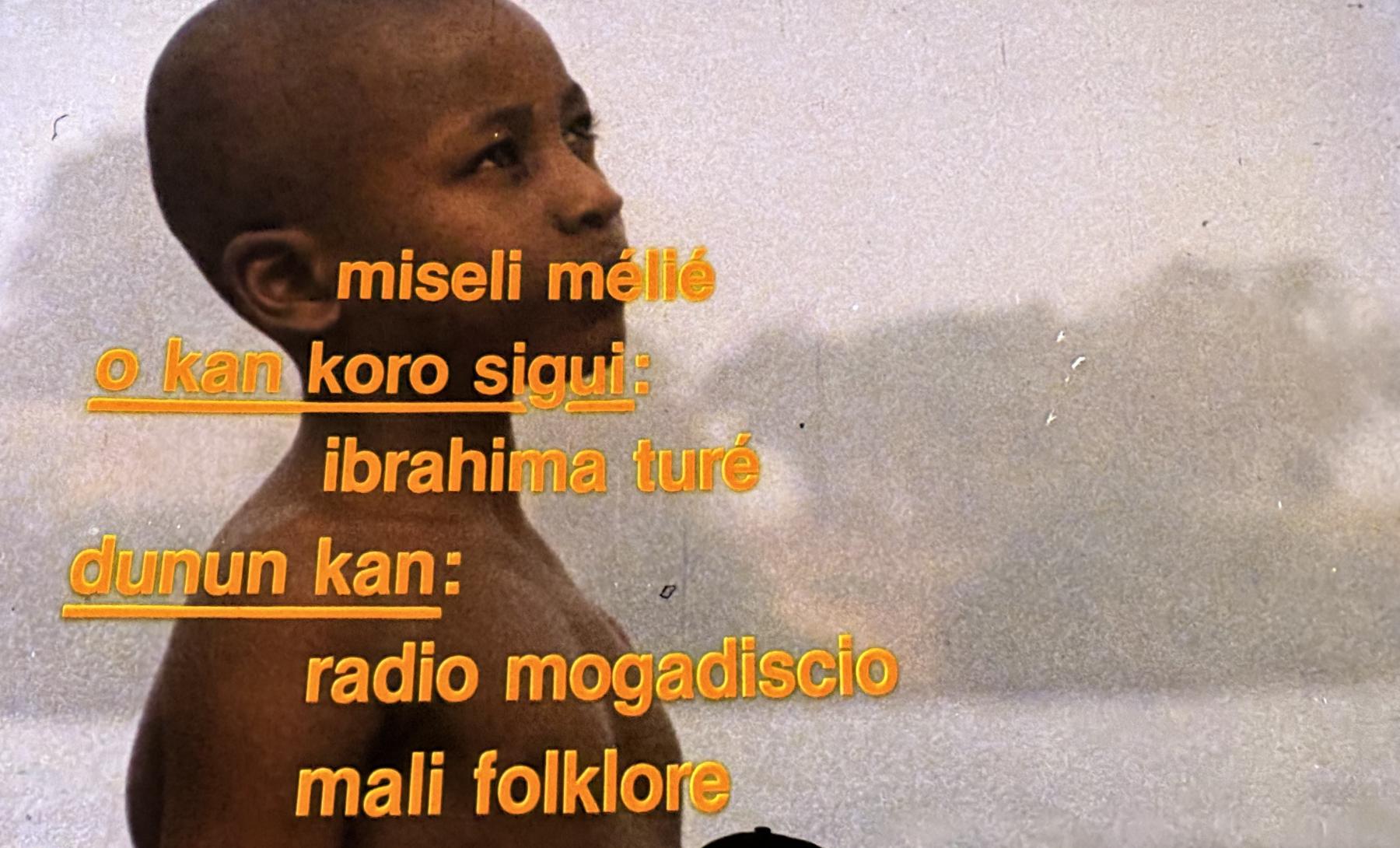
To learn more about resistance filmmaking in postcolonial contexts, read Fathimah Fildzah Izzati’s essays on Bachtiar Siagian’s Turang (Comrade, 1957) and the afterlives of Indonesia’s Lekra, Natasha Gasparian’s reflections on Johan Grimonprez’s Soundtrack to a Coup d’État (2024) and Ankan Kazi’s essay on the place of the short film in Bangladesh’s history.
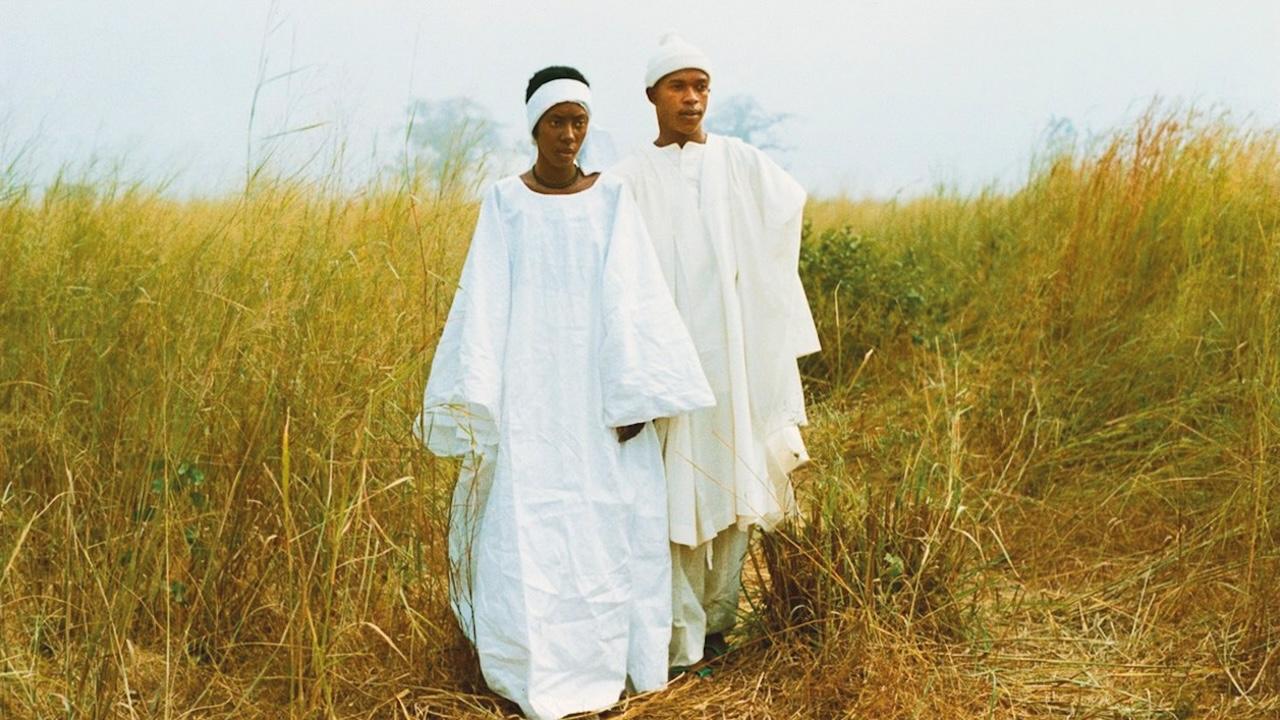
All images are stills from Finye (The Wind, 1982) by Souleymane Cissé. Images courtesy of the director.