

On Representation, Music and Kashmir: Songs of Paradise
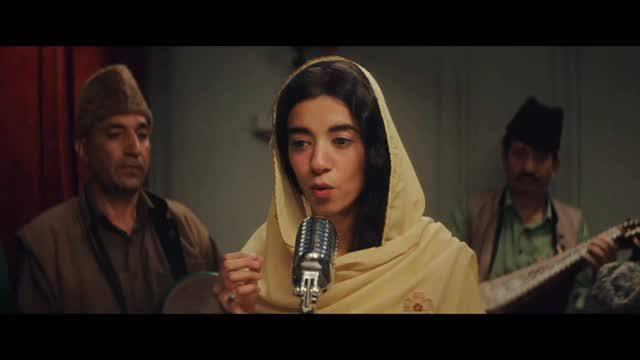
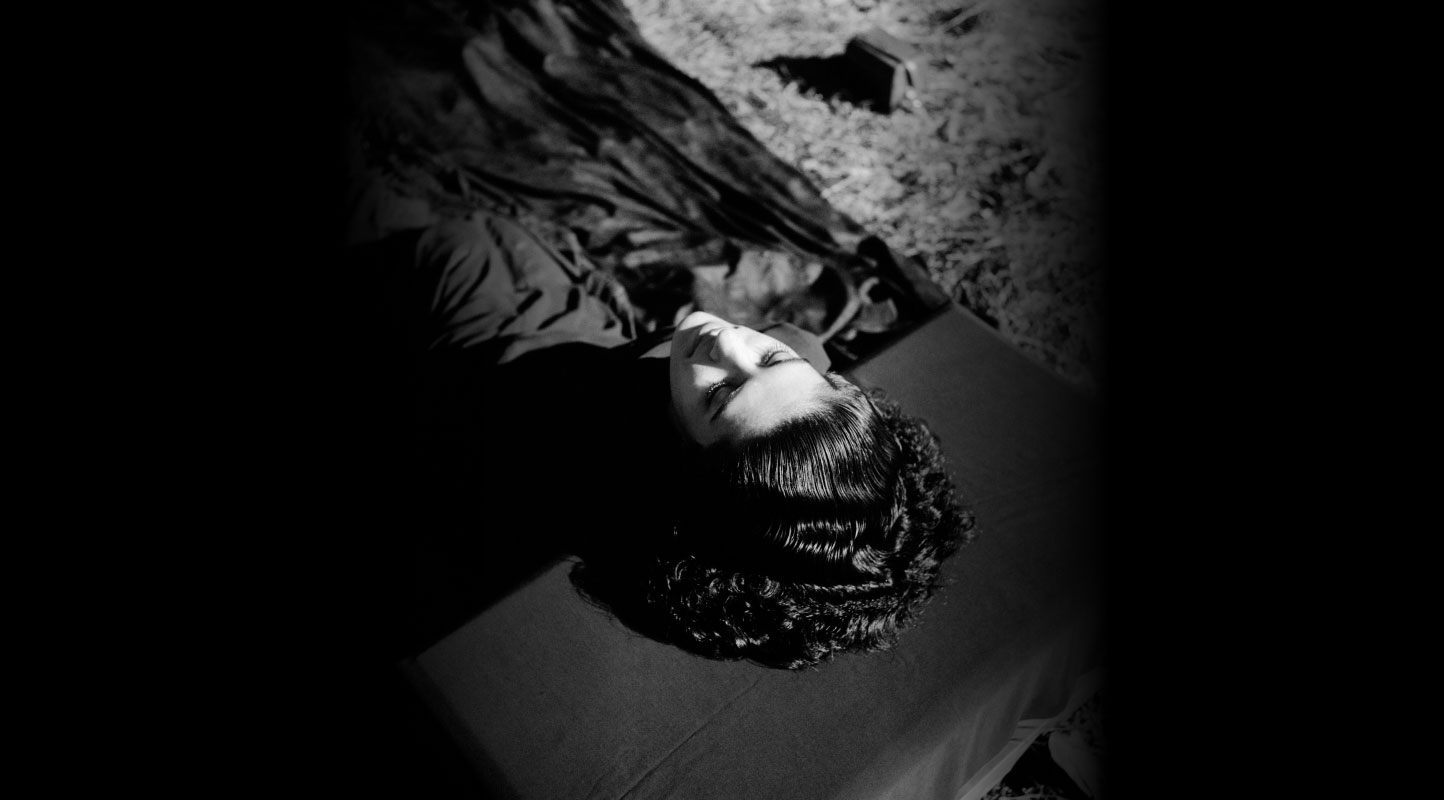
Danish Renzu’s film Songs of Paradise (2025) is easily accessible to audiences through its release on one of the most famous OTTs, Amazon Prime. The subject and the picturisation of the film, unlike other films on Kashmir like Half Widow (2017) by Renzu, No Fathers in Kashmir by Ashvin Kumar (2019), or Tees by Dibakar Banerjee, allow it to be on a popular streaming platform. A disclaimer before the film informs viewers that “the film is inspired by true events but does not claim to be a documentary/biography of any character depicted in the film… Any similarity or resemblance to the name, character or history of any person (living or dead) is entirely or purely coincidental and unintentional.” Yet the film ends with the note mentioning: “Raj Begum was a leading twentieth-century Kashmiri singer. She was also known as the Melody Queen of Kashmir.” If one dwells on this information, the existence of the central character of the film, Noor Begum or Zeba (performed by Saba Azad), might seem obscurely inspired. For the Kashmiri population, Raj Begum was an everyday reality of the changing time and cultural landscape of the valley. As mentioned in the prefatory disclaimer, the film did take several creative liberties to make the cinematic aspects of the story more appealing for the Indian audience.
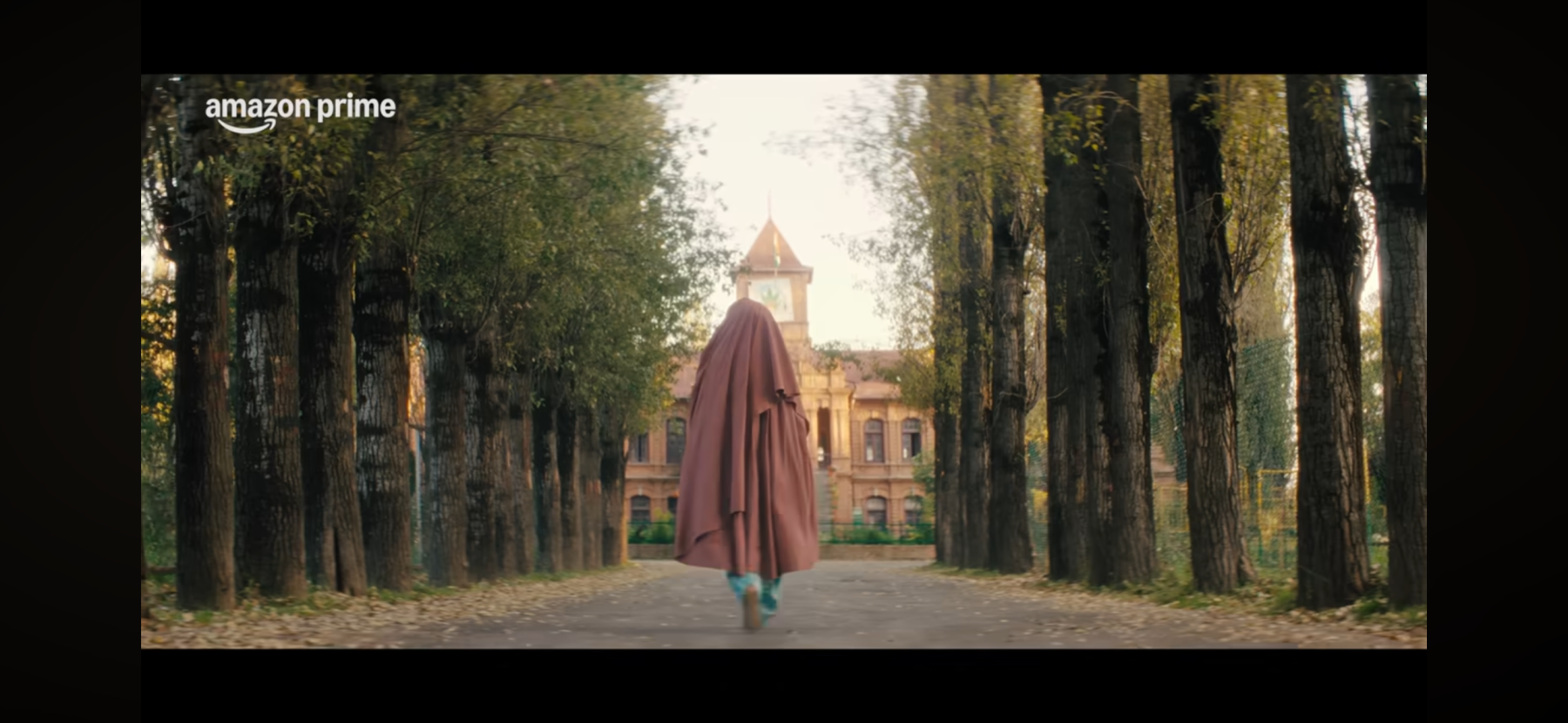
The central character of the film is Zeba, alias Noor Begum, a simple, partially rebellious woman from a lower-income household who is discovered by a renowned musician who offers to train her. He later encourages her to participate in a competition organised by Radio Kashmir in an attempt to find new voices for the channel. The film follows her success in the local music industry and her love story as it saves her reputation and music career. It ends with a glimpse of the loss of art and struggles that the Kashmiri artist undergoes. Zeba also changes with her popularity. While earlier, she was always covered in locally-worn Kashur burqa and long salwar kameez; following her success, she is seen in a shorter kameez in public, with a dupatta casually covering her head. Her marriage to a famous and elite poet transforms her social status too.
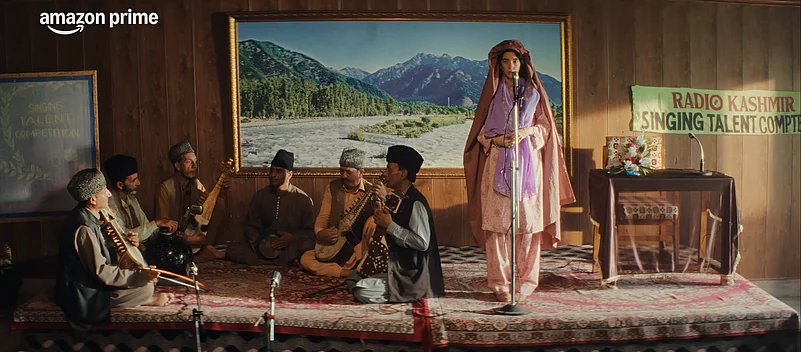
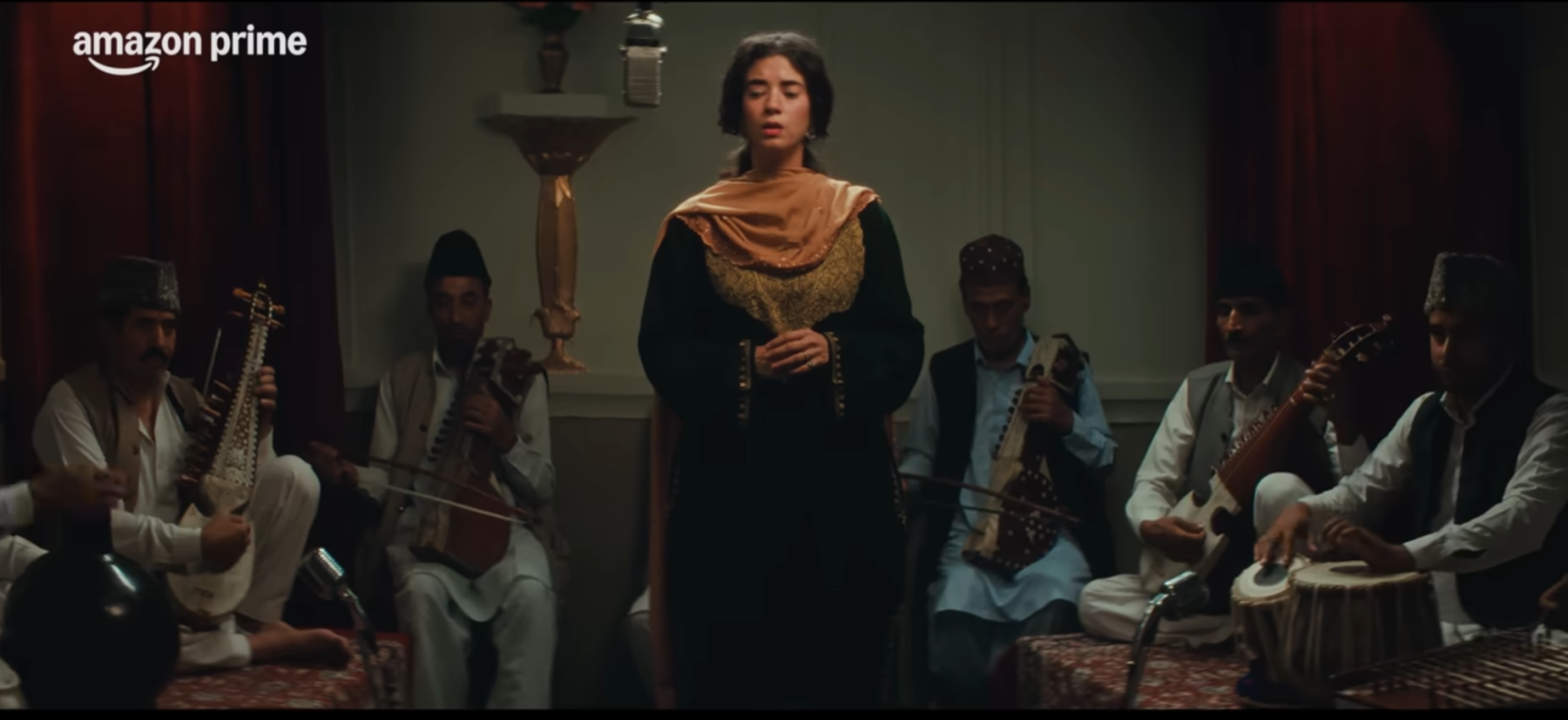
The film keeps reminding the viewers that this is not about Zeba/Noor. It is about women, their azadi (freedom) and how change can only enter the Kashmiri cultural landscape through its women but has not yet come. The thought might feel emancipatory, but it remains flawed in its projection of women in Kashmiri society as well as its decontextualisation of the word from its political context. Kashmiri women have historically created space for themselves and their art in the dominant patriarchal culture. This is evident in the contributions of various artists, from fourteenth-century poet saint Lal Ded’s Vakhs and sixteenth-century poet-singer Habba Khatoon, who was known for creating the poetic genre of loal or longing, to the numerous courtesans who performed till the fall of the Dogras. The banning of Hafiza (folk dance usually performed at weddings) and deeming the dancers “prostitutes” in the 1920s limited women to the domestic space for over two decades. When Radio Kashmir was established in 1948 in Srinagar, Raj Begum joined the organisation as an active participant. In its early years, Radio Kashmir was known for shaping public opinion, influencing sentiments of the masses and countering cross-border radio programmes that were also popular in the region.
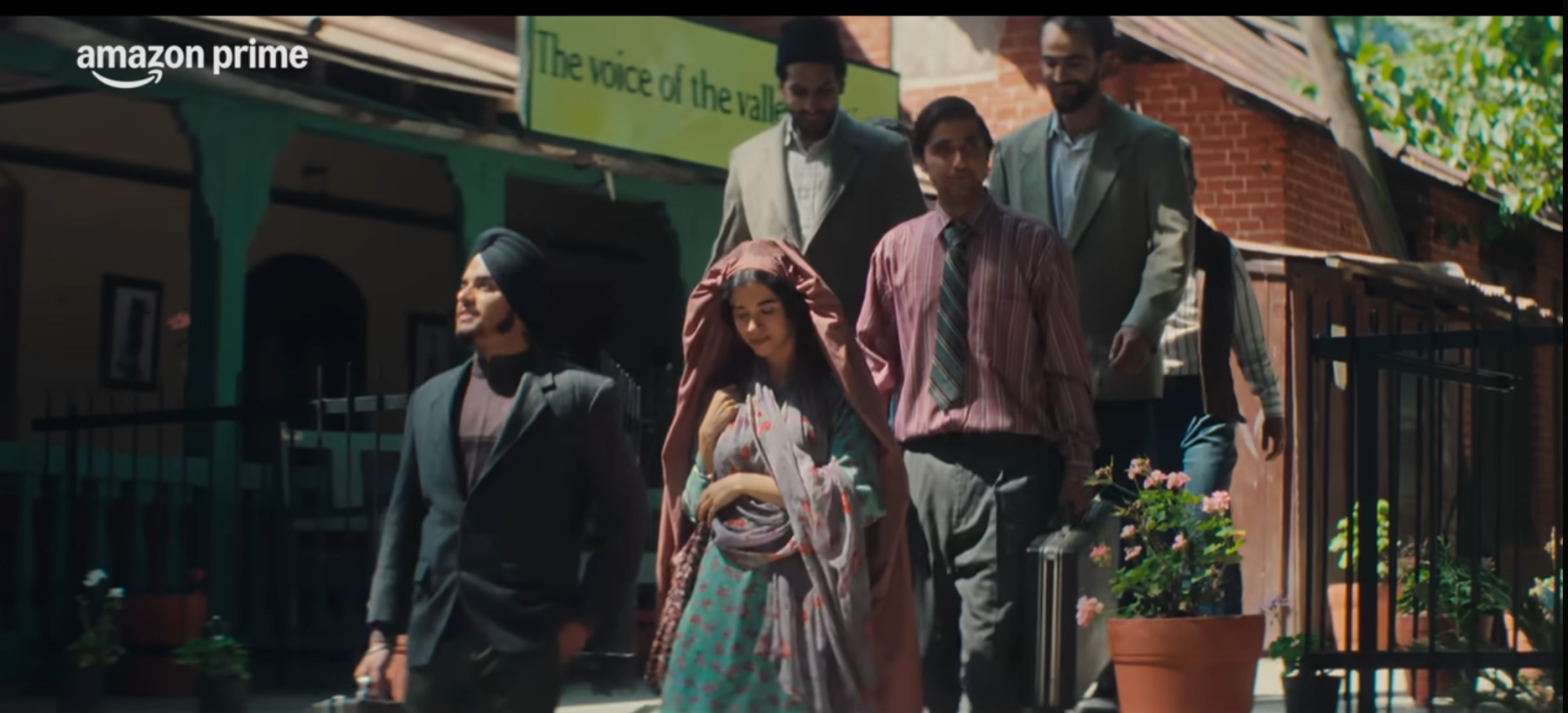
The beautiful frames of the film are aimed at capturing the hard work and dedication this legendary woman had put in her long career. However, the director seems to lack an understanding of the ambition that women can imagine for themselves. Her ambition to achieve a name for herself as an artist is portrayed as too modest and “womanly” to an extent that it becomes distant from her individuality. Her existence becomes a facet of catering to the change that society needs, becoming possible only due to the presence of co-operative men in the film, while removing other nuances.
In the later years of Dogra rule, many traditional art forms were struggling to survive due to the loss of patronage as well as the growing political and civil unrest in the valley. This was the time of Sheikh Abdullah’s rise as Sher-e-Kashmir (Lion of Kashmir) and demands of freedom in Jammu and Kashmir from the Dogra monarchy. The formation of the new state apparatus in 1947 and the many educational and land reforms, brought by the Abdullah-led National Conference created opportunities for marginalised communities, as discussed in his Naya Kashmir (New Kashmir) manifesto. State-building of Naya Kashmir included boosting cultural pride towards Kashmiri culture, language and art forms in the region. Radio Kashmir played a key role in this too. Apart from broadcasting news and educational content, it also aired entertainment in the form of plays, serials and various genres of music, including sufiana kalam, chakri baeth and others. After the coup overthrowing Sheikh Abdullah in 1953, the Bakshi government sought to accelerate this state-building refocused towards the normalisation, development and integration with mainland India, which was based on the modernisation of the state inclusive of marginalised communities, including women. The rise of Raj Begum, therefore, cannot be seen in isolation.
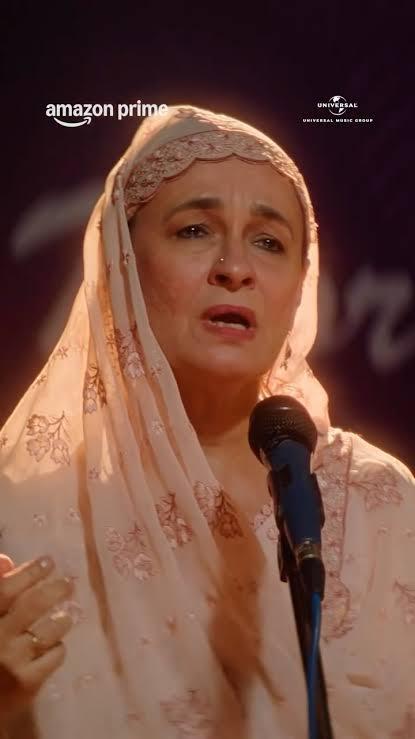
The state was searching for a feminine voice which would become the voice of Mouj Kasheer (Mother Kashmir), a step towards state-building. This may be seen as parallel to the nation building efforts of the Indian state in which Lata Mangeshkar was crowned the voice of Mother India. Kashmiri scholar Hafsa Kanjwal points out that “State-led propaganda played a fundamental role in pivoting the question of Kashmir from a political one of sovereignty to one of governance. Where progress and development became the primary frame through which the question of Kashmir was mediated and subsequently domesticated.” Increasing participation of women in public spaces, including Radio Kashmir, was then not a probability but a planned effort by the authorities.
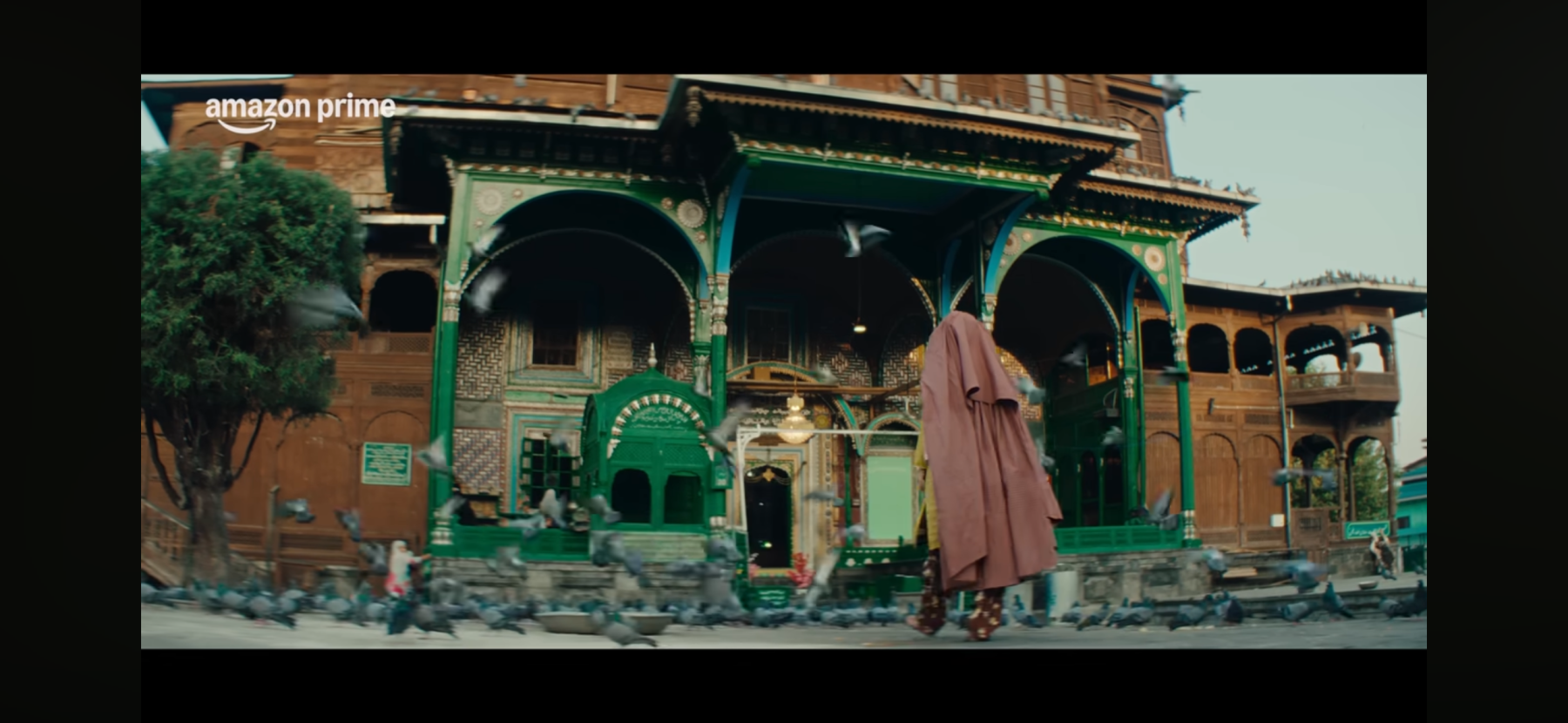
Art, cultural practices and technology in Kashmir since the accession of the state have been used to propagate state-centric ideas and imageries since 1947. Little to no space is provided to counternarratives and voices from the region and beyond. This allows us to understand why films like Half Widow by the same director, however thematically different, become difficult to access in the heightened censorship, while Songs of Paradise (which could have been ‘Songs of Burning Paradise’) is on popular OTT. This was probably possible because the film did not try to go into the complexities of life as lived in Kashmir—one of the most militarised zones in the world.
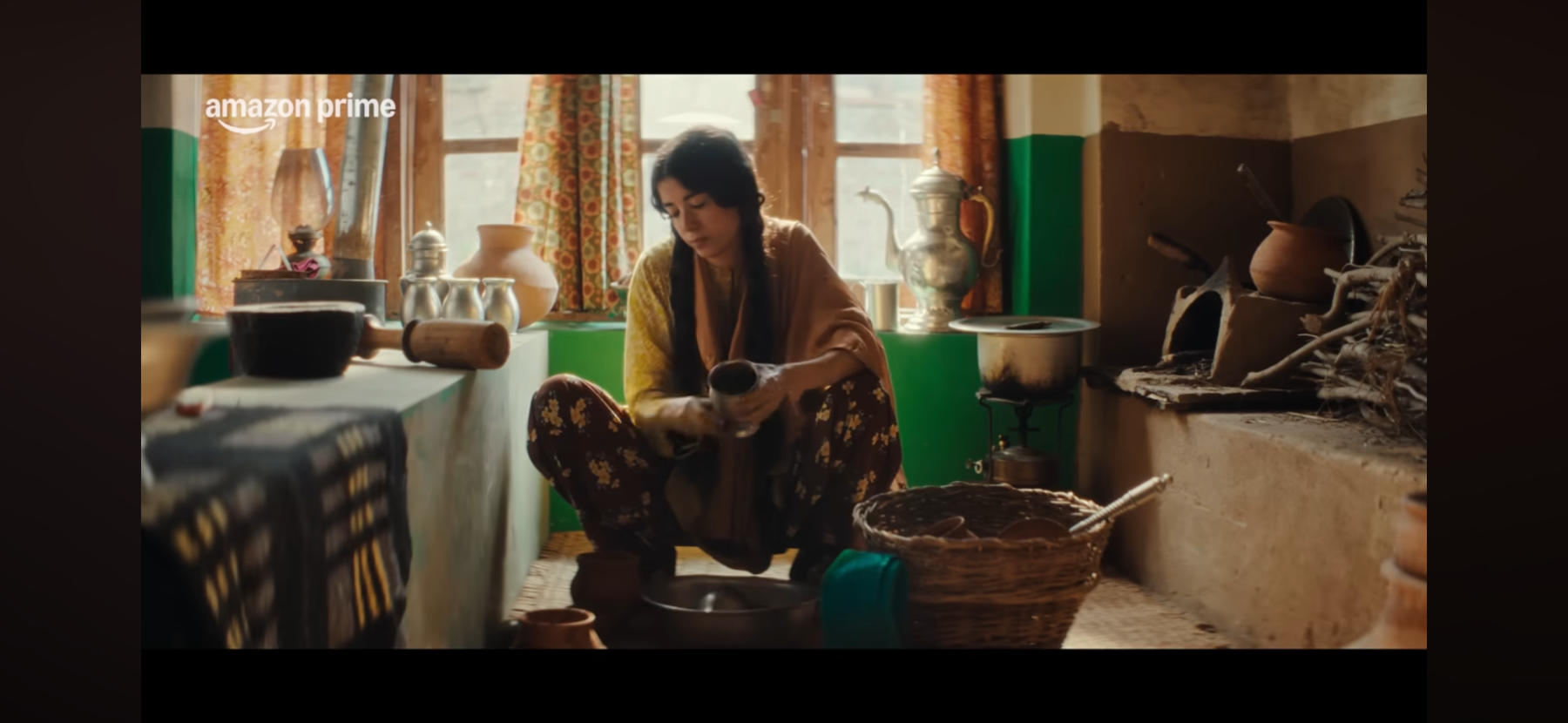
In contrast to the protagonist Noor Begum, the singer Raj Begum was much more than just a “first.” Her divine voice and efforts to sustain in the Kashmiri music industry remained prodigious even after the coming of several new voices (male or female). Her challenges were not limited to being the "first" woman but also intersected with class, caste and domestic issues (she was a married woman before joining Radio Kashmir). Her struggle was also of being a part of a politically unstable and repressive state apparatus in which she had no power but which was absorbed into her personal life. For Kashmiri artists, especially those coming from marginalised communities, this dynamic continues to be of great concern till date. The lack of platforms to generate income becomes the cause for continual exploitation of local artists and art forms as tools to propagate the image of “unity in diversity.” Songs of Paradise could have done so much more; a glimpse of the loss of tangible and non-tangible memory is not enough in a society which has mourned through art in every possible manner.
To learn more about women’s experiences in Kashmir, read Kataki Varma’s interview with photographer Masrat Zahra, Senjuti Mukherjee’s interview with Alana Hunt on her book Cups of nun chai (2020) and Sukanya Deb’s conversation with Siva Sai Jeevanantham on his series In the Same River (2017–21).
All images are stills from Songs of Paradise (2025) by Danish Renzu. Images courtesy of the artist.