

Naz̤ar: The Songs of a Tired City
1.png)
Shaheen Ahmed’s Athens is a portmanteau or rather a gateway—magically bridging sunny Greece with the outskirts of Delhi. The Keralan filmmaker’s vintage handycam blurs the architectural forms of the old city into something more universal rather than the exclusive charms of a European summer that trails behind the mostly white—and perpetually online. Ahmed, who works at the intersection of intimacy and collective spiritual imagination, captures Athens as a poor image—which shapeshifts and might as well be the bylanes around Jama Masjid—a poor image not in Steyerlian terms which speaks for the mass-circulated contraband image standing against capitalistic hegemonic image access. Recently screened at the Dharamshala International Film Festival (DIFF), Ahmed’s Naz̤ar: A Diary (2025) looks for alternate filters to see the city of Athens by strolling through its third spaces constructed by the immigrant community through their sonic memory and late conversations in kebab shops with the colourful lettering earmarking the popular kitsch of South Asian street culture.
A single photograph of a drowned two-year-old Alan Kurdi—as he washed up on the shores of Turkey on his family’s way to Greece—reflected the immense influx of refugees fleeing the Syrian War among other crises in 2015, as they enforced their way to Europe, and in particular, Greece. In response, the European Union made stronger border controls and agreements with their governments to send them back. In the film Amerika Square (2016) by Yannis Sakaridis, released the year after, white supremacist Nakos feels insecure about the influx of refugees in Athens who were squatting in the public fountain square—which he felt was too emotive of better times in his childhood to be used by “others.” The Pakistani Jan Café is such a space for many immigrants in Ahmed’s film, and his video diary meanders with them during Ramadan week around the city which soaks up their affect and memories and expands, as Italo Calvino would say in his seminal work Invisible Cities.
1.png)
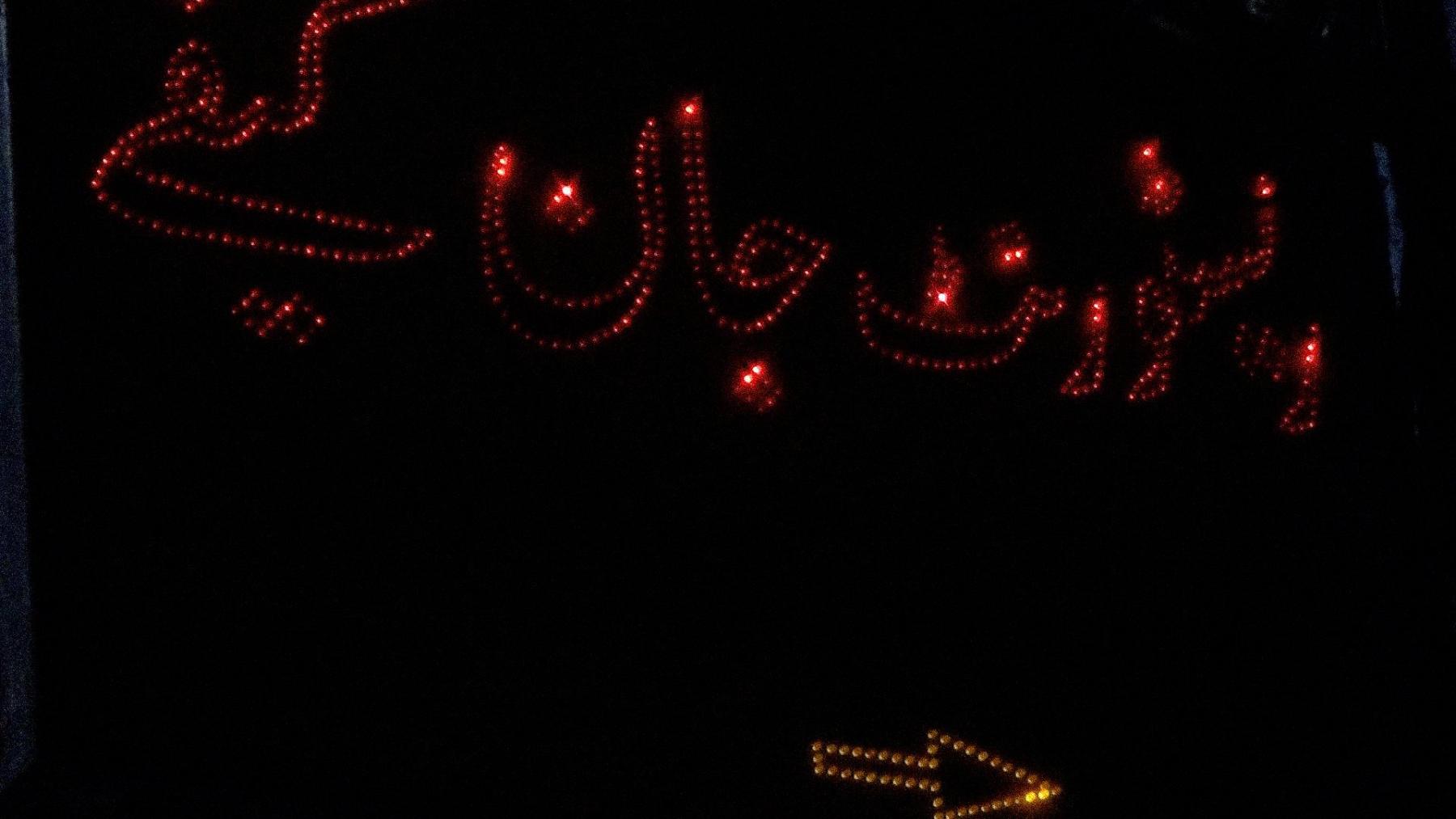
There is nothing to break our illusion after supposedly “entering” Delhi and seeing someone at the café reception playing a soft tune on his flute so evocative of the flute-fuelled theme tune of Satyajit Ray’s Pather Panchali which explored the complex emotions of longing and homecoming. It is a stalled homecoming as we realise the urdu letters of Jan Café have been subtitled in Greek—yet for many it is spaces like these with blown-up kebab and tikka images which makes them disassociate from the feeling that they are in faraway Athens.
.png)
While it is filmed like a documentary, Ahmed’s narrative is constructed as an artifice that splices and juxtaposes images alongside meditative thoughts spoken out aloud as if from a reverie. He takes a more conversational—and sometimes humorous—approach while delving into the socio-political aspects of their lives. For instance, an old refugee speaks about how he almost got caught by the military while getting into Athens and was dropped off at Jan Café when he asked for a Pakistani eatery—from where he has not shifted an inch since. Refugees arriving from Pakistan follow a longer route from Rawalpindi in Lahore to Taftan in Iran, then a location near the Iran–Turkey border, where they would meet other Iranians crossing the dangerous border and finally move to Istanbul within Turkey before travelling in dinghies to Lesbos in Greece. This was the route chalked by Rohail Safdar and S. Asif Ali for the Pakistani Dawn Herald in 2016, before the publication shut down. The man's tiredness seeps into the city as a churning machine of labour as he muses that he did not go anywhere even while working in the ‘city of gold’—Dubai—so what could Athens possibly have for him to see? Superimposed on his exhausted words are blurry images of a fountain—almost evoking Nako’s precious altar—which gradually disintegrates into pixels like on Indian television in the 1980s and early 2000s at midnight when all broadcasting is done for a tired city and the wires lie silent.
.png)
Getting a key to a rental or a house comes after many steps for a refugee in Greece and for a while Ahmed fixates on the wrinkled brown hands of someone at Jan Café who collects his keys from the table. The apparition of impending danger still looms—especially of being undocumented refugees—as we get to know people who remain nameless through their stories or simply their voices like the serious tone of someone who has just returned after a fight and is suspecting trouble with the police. We only interpret the gravity through his friend’s face which turns stony as he offers the former help through his contacts—almost becoming a voyeur to what is clearly a private conversation about safety with the latter later shuddering while recalling the terror of going through the Iran-Turkey border under the strict monitoring of the border patrol and sectarian conflicts. The handycam lowers to his hand marked with a scar. Hands also extract dates for Ramadan and stretch out what looks like an advertisement for English tea and bread, which will hold its immigrant feast.
.png)
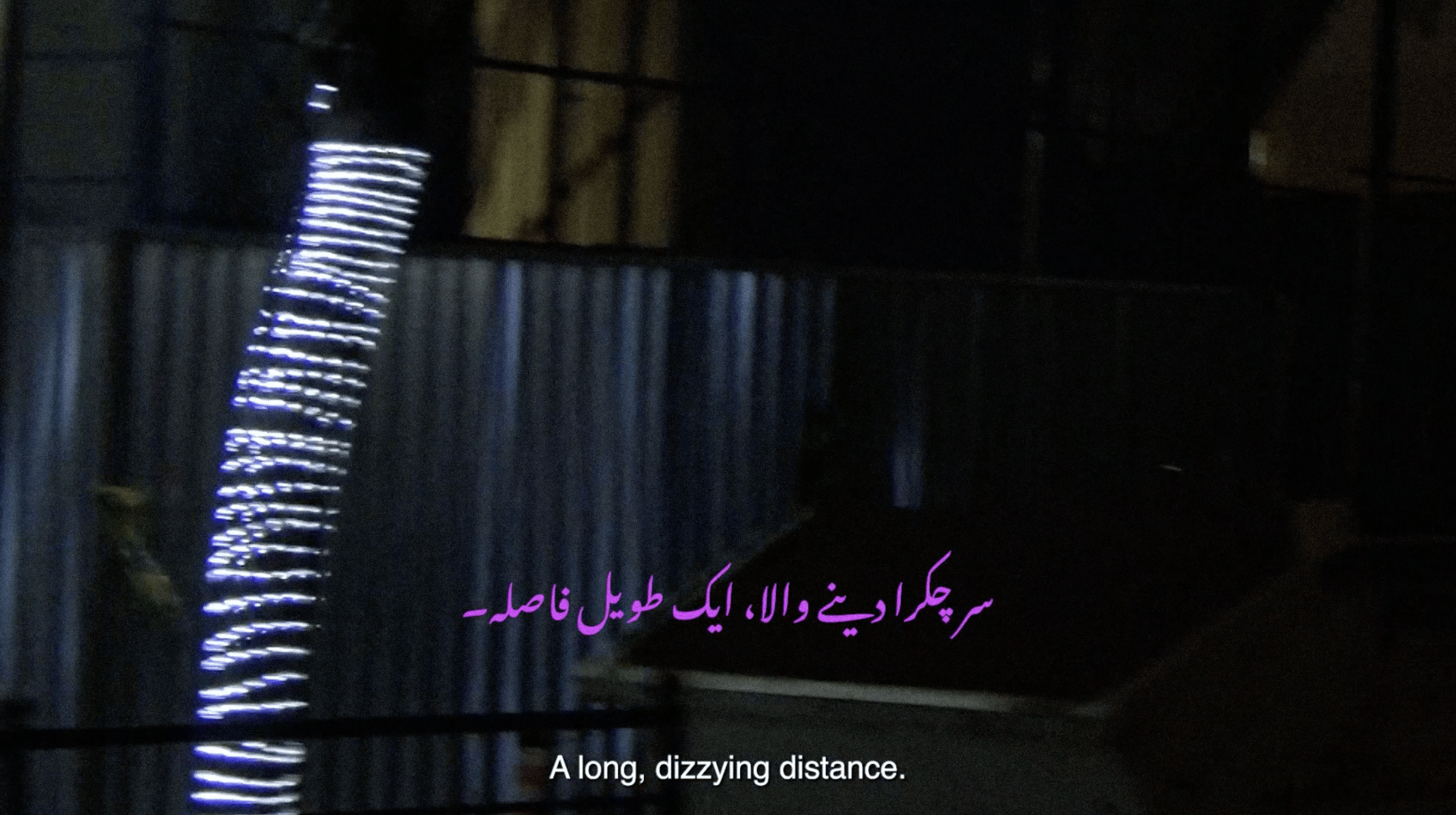
Naz̤ar is filmed like a journey from day to night. Towards nightfall the welcome signage of Jan Café does not just hail people who wish to eat but now that has been imbued with talismanic power to transport one to one’s hometown—at least sonically through Pakistani ghazal singer Iqbal Bano and her song “Ambwa Ki Dariyon Pe, Jhulna Jhula Ja.” The song was also part of the Pakistani film Nagin (1959) which had been a breakthrough for the director Khalil Qaiser, a film that patrons of Jan Café were possibly familiar with. For the older generation it is that; for the youth it is beatboxing in the streets, singing “Past Future” by Punjabi singer Miel and ending the night at the mixing ‘salon’ making songs together. First animatedly discussed over a plate of food, probably by the cassette owner, about whether it was the golden girl of Pakistani film music Zubeida Khanum or Iqbal Bano until the strains of the song floated over them. It is resurrected towards the end of the night when Jan Café is closed but juxtaposed with a harmonium-accompanied performance of the song which spoke of being away from one’s beloved. A rudimentary and typical village scene with a tractor and tree that had been pasted on someone’s walls seems to recall the mango tree under which the singer asks her beloved to swing with her.. The camera veers dizzyingly through the city as someone complains silently about their lost love without whom they cannot go on—home itself becomes a distant love like the moon over Athens, and that is when Jan Café and the strains of Iqbal Bano become oft-trodden paths.
To learn more about films screened at DIFF 2025, read Upasana Das’ reflections on Azeem Rajulawalla’s More Punk than Punk (2025) and Rich Peppiatt’s Kneecap (2024). Also read Mallika Visvanathan’s conversations with Suhel Banerjee on his film Cycle Mahesh (2024) and Sruthil Mathew on his film Dinosaur’s Egg (2024) as well as the episodes of In Person featuring Surabhi Sharma on her film Music in a Village Named 1PB (2025) and Sivaranjini on her film Victoria (2024).
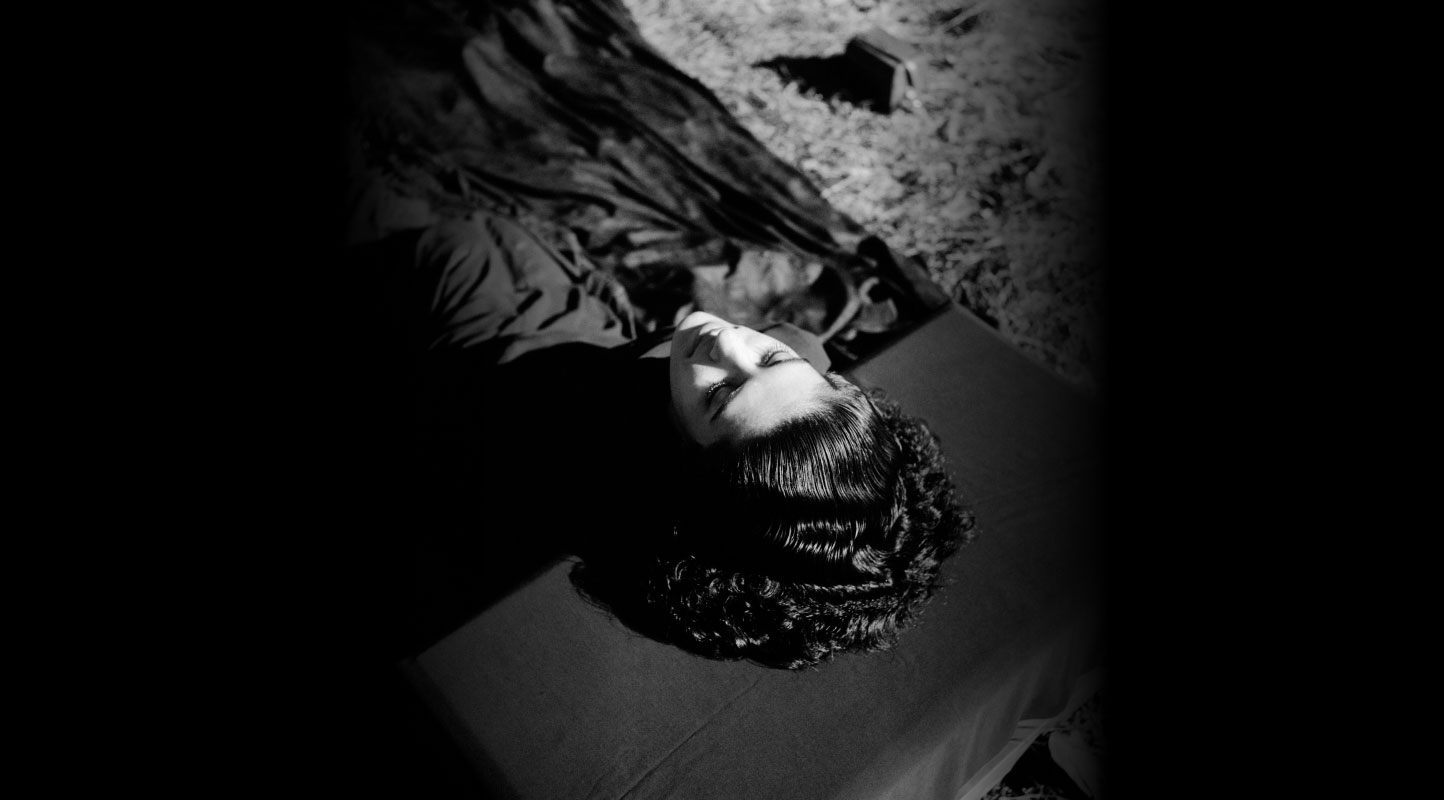
All images are stills from Naz̤ar: A Diary (2025) by Shaheen Ahmed. Images courtesy of the director.