

Resisting and Reflecting: Iranian Cinema in Times of Turmoil
The first part of this essay examined the relationship between censorship and Iranian cinema, while this section turns to another force that has shaped its evolution: periods of war and political upheaval. When a country goes through moments of crisis, its cinema often changes with it. In Iran, that connection has been especially visible. Political turmoil has not simply influenced the themes of Iranian films; it has reshaped the language through which those films speak.
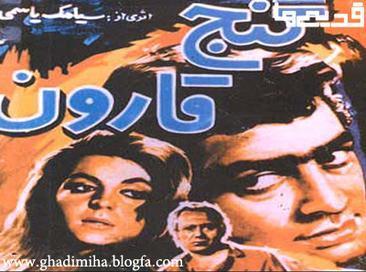
One of the most significant turning points came after the Iranian Revolution (1979). This watershed event drastically changed the film industry. Many of the commercial films that dominated Iranian cinemas before 1979 disappeared after the revolution, including popular “Filmfarsi” melodramas such as Ganj‑e Qarun (1965), which relied on song-and-dance numbers, romance and rags-to-riches plots that were no longer compatible with the cultural policies of the new Islamic Republic. A new regulatory system emerged and filmmakers had to work within stricter cultural rules. Yet this period also saw the emergence of a new cinematic style that later gained global recognition.

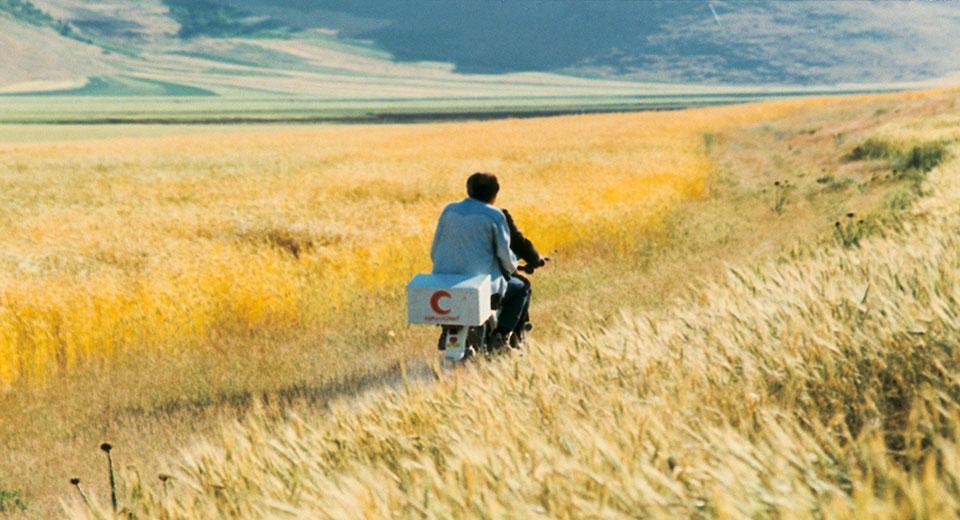
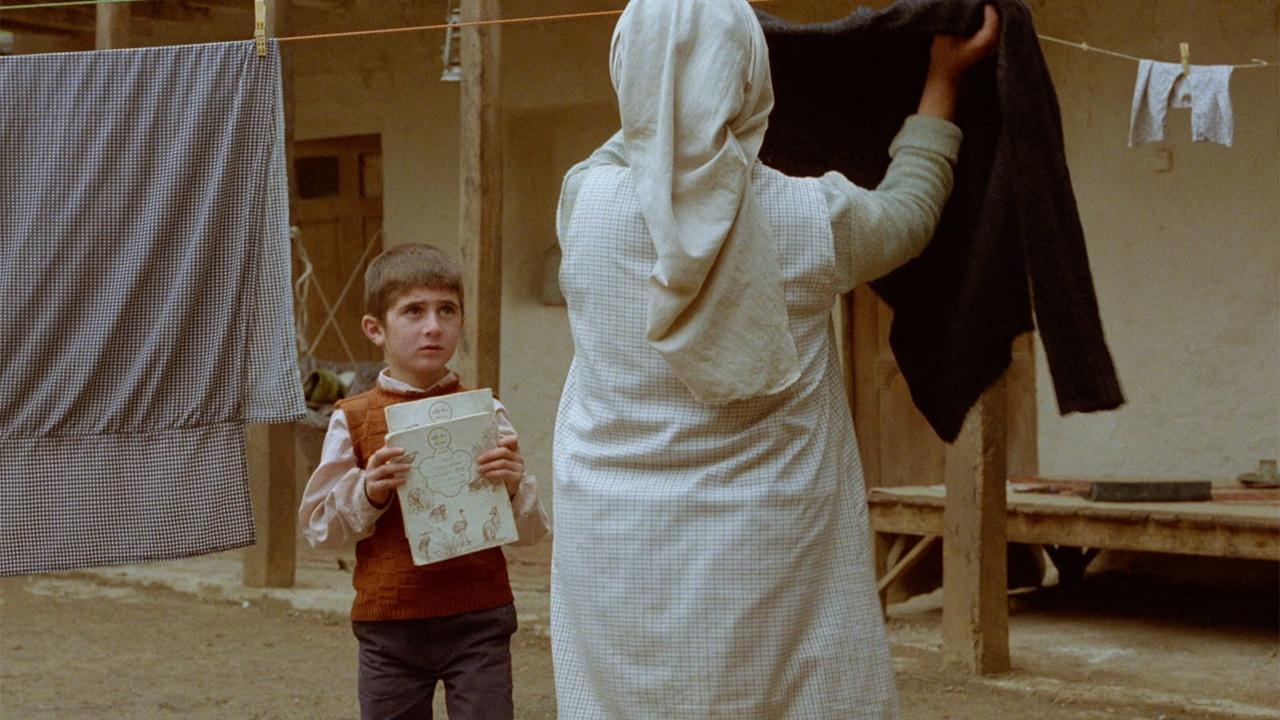
Directors like Abbas Kiarostami began making films that looked very different from conventional cinema. Their stories were often small in scale, focused on ordinary lives and built around quiet moral questions rather than dramatic plot twists. Films such as Where Is the Friend's House? (1987) and, later, Taste of Cherry (1997) became internationally celebrated for their simplicity and ambiguity.
It is tempting to explain this style only through censorship, but that would be too easy. Iranian storytelling traditions long relied on metaphor, parable and indirect expression. What the political environment did was push filmmakers further in that direction. It sharpened an existing language rather than inventing it.
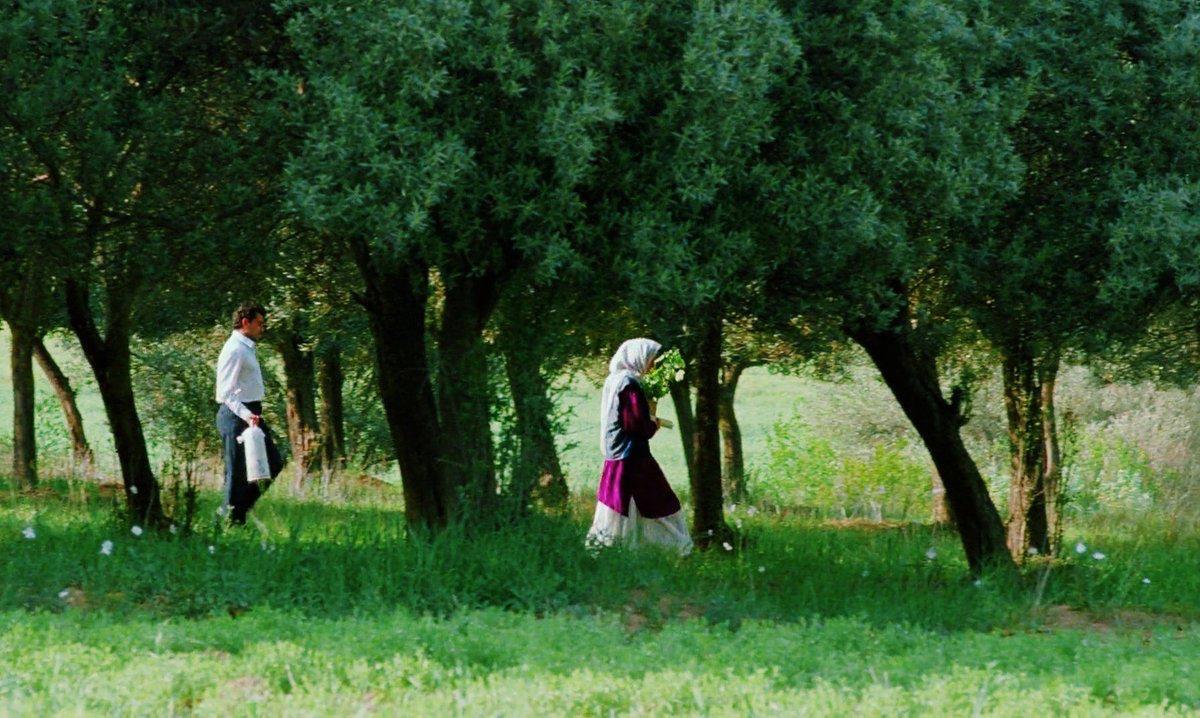
A striking example is Kiarostami’s Koker Trilogy: Where Is the Friend's House? (1987), And Life Goes On (1992) and Through the Olive Trees (1994). Shot in the rural village of Koker with non-professional actors and minimal production resources, the films blur the boundaries between fiction and reality. Each installment reflects on the making of the previous one, creating a layered narrative about filmmaking itself. This approach illustrates how post-revolution Iranian cinema adapted its production methods and storytelling language—using small crews, real locations and self-reflexive narratives to navigate institutional constraints while expanding the possibilities of cinematic form.
The result was a cinema built on suggestion rather than spectacle. Stories moved slowly, ordinary moments carried deeper meaning and endings often remained open. Working within political, economic and aesthetic limits, filmmakers learned to express complexity through restraint. Over time, this ability to turn constraint into creativity became one of the defining strengths of Iranian cinema.
If the revolution reshaped the structure and aesthetics of Iranian cinema, the Iran–Iraq War (1980–88) reshaped its themes. The war produced what came to be known as “Sacred Defense cinema,” a genre supported by the Islamic regime. Early films in this tradition focused on heroism, sacrifice and the moral clarity of soldiers defending the nation. Movies such as The Scout (1989) and The Immigrant (1990) depicted the frontlines directly, often with a strong ideological tone, supporting the war by glorifying soldiers’ bravery, sacrifice and religious commitment. The war also encouraged a strong documentary tradition. One of the most influential figures was Morteza Avini, whose series Ravayat-e Fath (Narration of Victory, 1986–94) documented the conflict from the front lines.
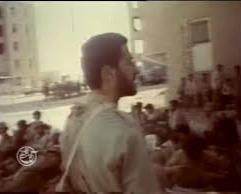
Filmed with real soldiers and minimal equipment, the series used handheld camerawork and reflective voice-over narration, treating the battlefield as both a physical and spiritual space. This style of documentary realism later influenced Iranian fiction films, bringing a sense of immediacy and lived experience into their storytelling.
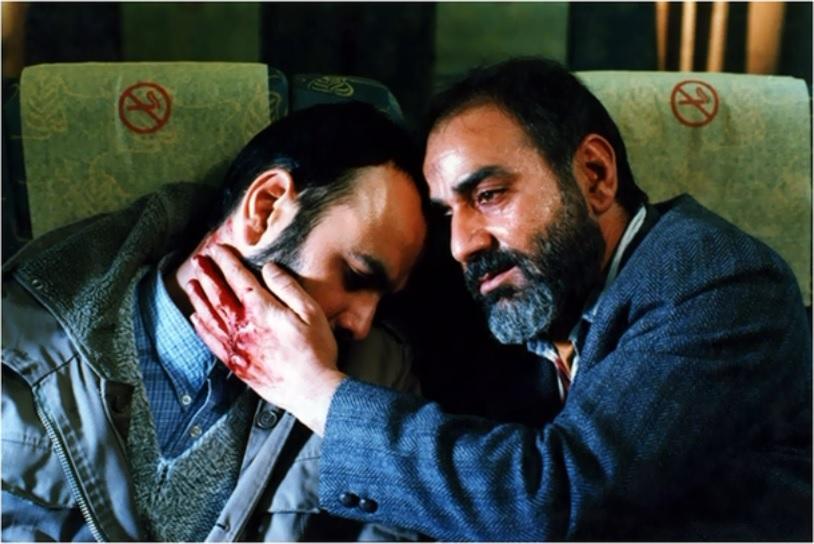
As the war receded into memory, filmmakers began to approach the war differently. The battlefield moved offscreen, and the focus shifted to the aftermath. A film like The Glass Agency (1998), directed by Ebrahim Hatamikia, illustrates this shift: much of the story takes place inside a travel agency in Tehran, where a former soldier takes hostages to secure medical treatment for a wounded friend. The war itself is never shown directly, yet its emotional and social consequences shape every moment of the film. This pattern shows how Iranian cinema often responds to crises. While war initially produces films that reinforce national narratives, later works revisit the same events with more complex reflections on memory, trauma and disillusionment.
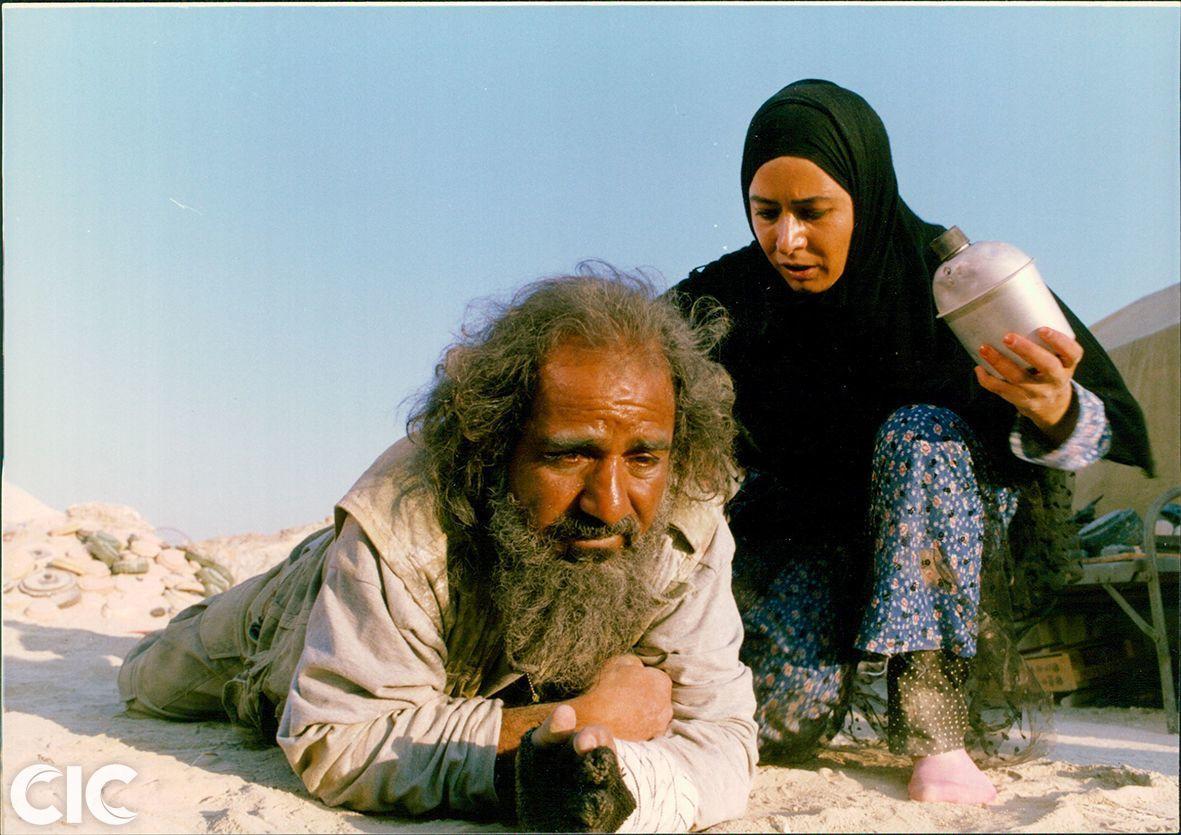
Other films from the 1990s explored similar questions about the cost of the conflict. Stories increasingly focused on veterans struggling to reintegrate into civilian life and the gap between revolutionary ideals and the realities of post-war society. For example, Hatamikia’s From Karkheh to Rhein (1993) follows a chemically-injured veteran seeking treatment abroad, while The Red Ribbon (1999) reflects on the emotional aftermath of war in a deserted, mine-filled village. The tone of such films grew more reflective, and the clear moral certainties of early wartime cinema gave way to ambiguity and introspection.
.jpg)
More recently, another shift appears to be underway. The protests that followed the death of Mahsa Amini in 2022 created a new atmosphere inside Iran’s cultural industries. Many filmmakers openly challenged the restrictions they had previously navigated quietly. Some began making films without official permits, while others depicted forms of everyday resistance that would once have been difficult to show.
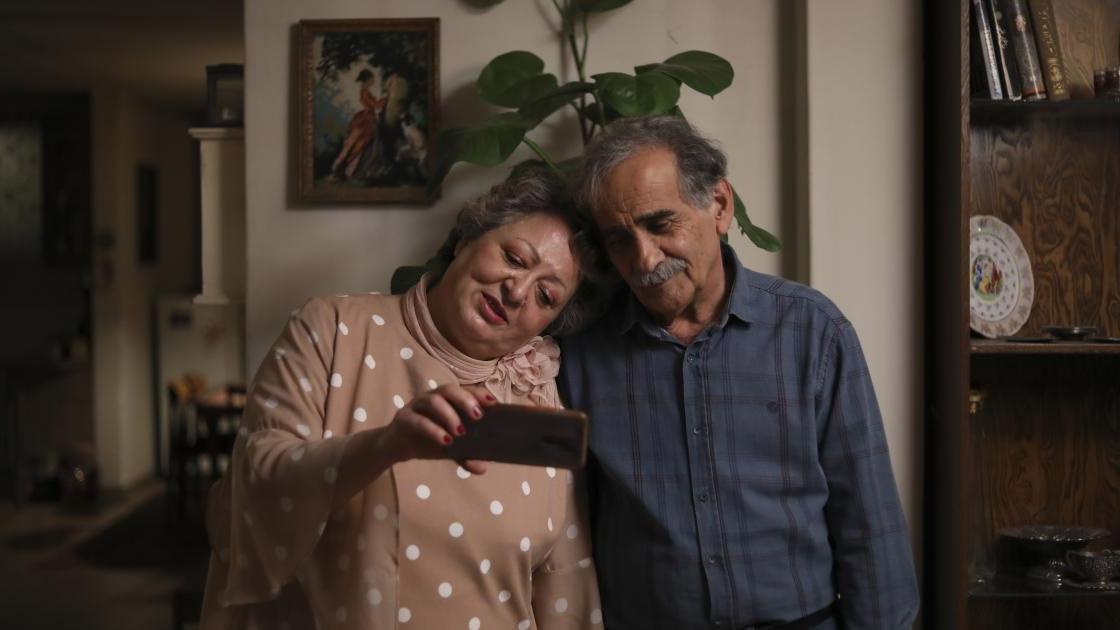
Two recent films reflect this moment clearly. My Favourite Cake (2024) tells the story of an elderly woman who decides to reclaim a small part of her life after years of isolation. The film is simple in its plot, but quietly defiant in its portrayal of female autonomy. Meanwhile, Mohammad Rasoulof’s The Seed of the Sacred Fig (2024) moves toward direct political confrontation, following Iman, a devout lawyer promoted to an investigating judge in Tehran’s Revolutionary Court during nationwide protests.
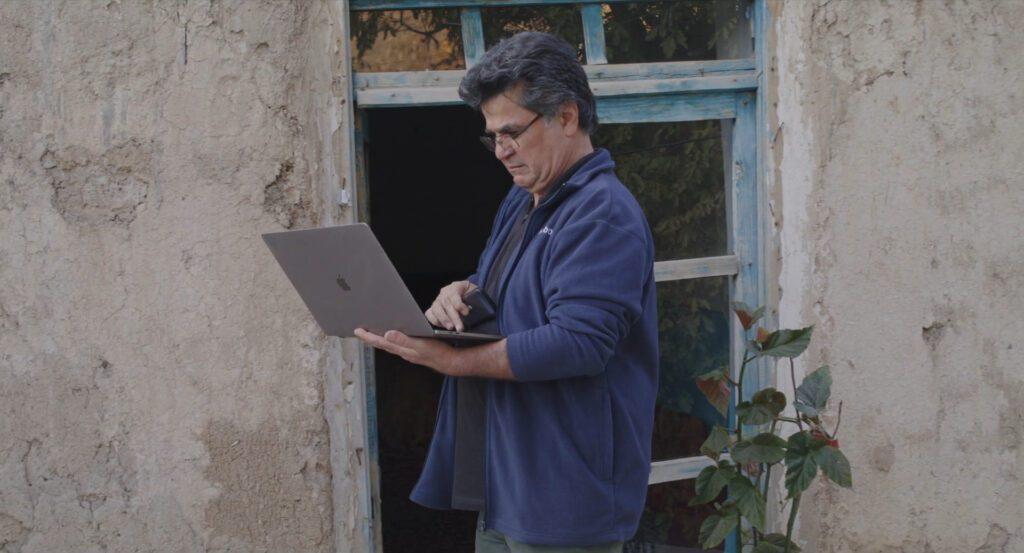
Even filmmakers long associated with allegory now work with a sharper edge. In No Bears (2022), playing a version of himself, Jafar Panahi appears as a director working remotely from a small Iranian border village, trying to complete a film being shot across the border in Turkey because travel restrictions prevent him from leaving the country. From this distance, he guides his crew through video calls while also becoming entangled in the everyday tensions of the village around him.
The story slowly reveals how surveillance, rumour and fear structure life under authoritarian pressure. Like much of Panahi’s earlier work, No Bears unfolds with a quiet restraint—through long conversations, still moments and situations that are left deliberately unresolved rather than openly confrontational. Yet the film’s political undercurrents are unmistakable. The border Panahi’s character cannot cross, the anxiety around being watched and the way fear quietly shapes people’s choices, all mirror the realities many artists and ordinary citizens navigate in contemporary Iran.
Seen together, these developments suggest that Iranian cinema may be entering another transitional phase. Earlier generations often relied on metaphors to speak about power indirectly. Today, many filmmakers appear more willing to push those boundaries openly, even if it means working outside the official system. For example, Rasoulof’s The Seed of the Sacred Fig was shot secretly in Iran and completed while the director faced legal pressure and travel restrictions.
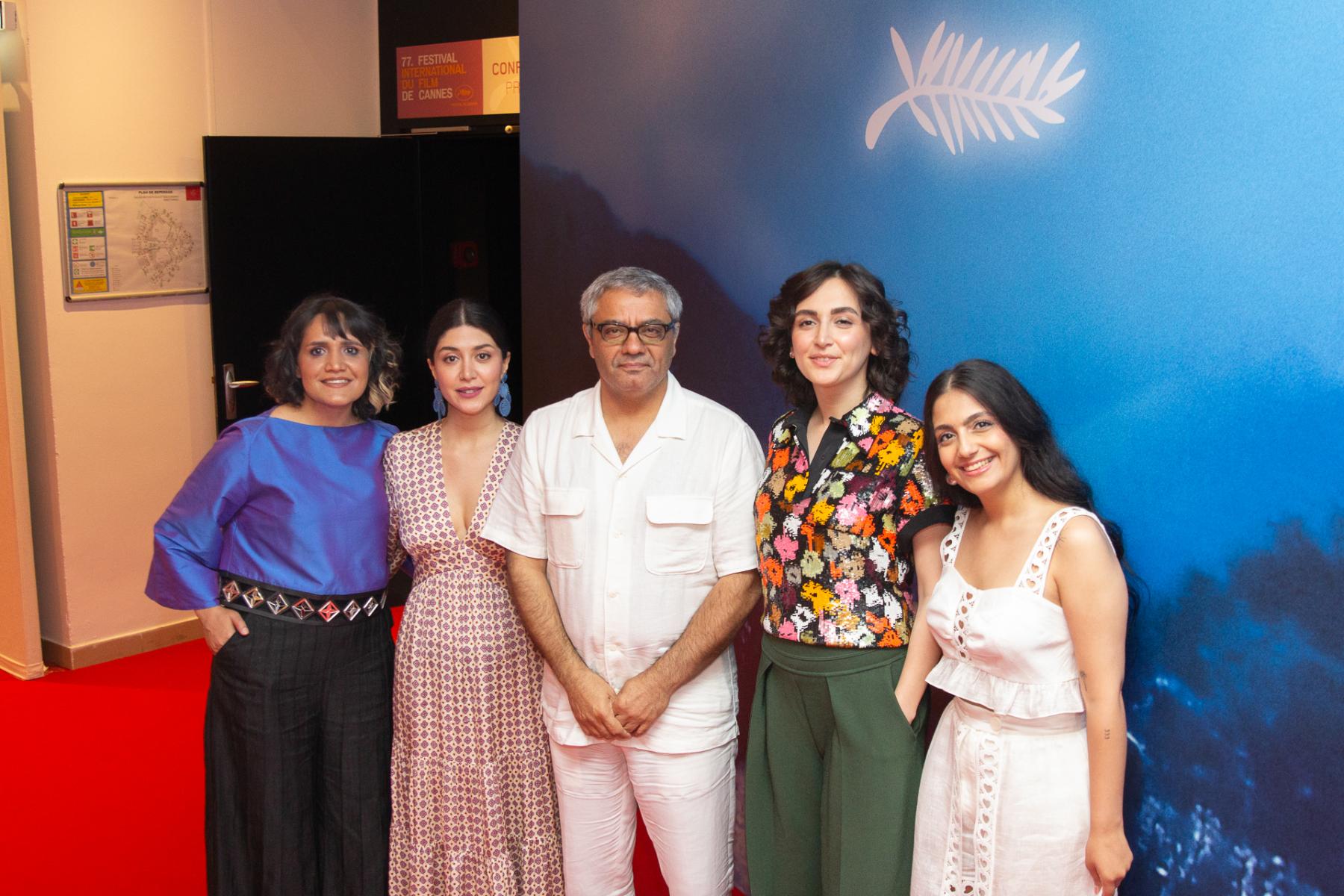
History suggests that moments of upheaval rarely silence Iranian cinema. The revolution transformed the industry and encouraged a minimalist storytelling style. The Iran–Iraq War created a wave of wartime films that later gave way to more reflective explorations of memory and trauma. The protest movements of the present moment may now be generating another shift. Across these periods, a clear pattern emerges: war, revolution and political unrest do not simply become subjects of Iranian films. They reshape the cinematic language itself, influencing how stories are framed, what can be shown and how meaning is conveyed. Even as risks increase and filmmaking spaces shift, Iranian cinema continues to find new ways to capture the tensions of everyday life.
In case you missed the first part of the essay, read it here.
To learn more about films exploring conflict and its aftermath, read Abdul Basit’s review of Iffat Fatima’s Khoon Diy Baarav (2015), a discussion between Anaïs Farine, Karim Naamani, Mariz Kelada and Sara Mourad on curating films in times of genocide, Adil Manzoor’s reflections on Jacob Luke Jeroshan’s The Last Endless Night (2025) and Santasil Mallik’s essays on Maha Haj’s Upshot (2024) and Mohammad Bakri's Jenin, Jenin (2002).