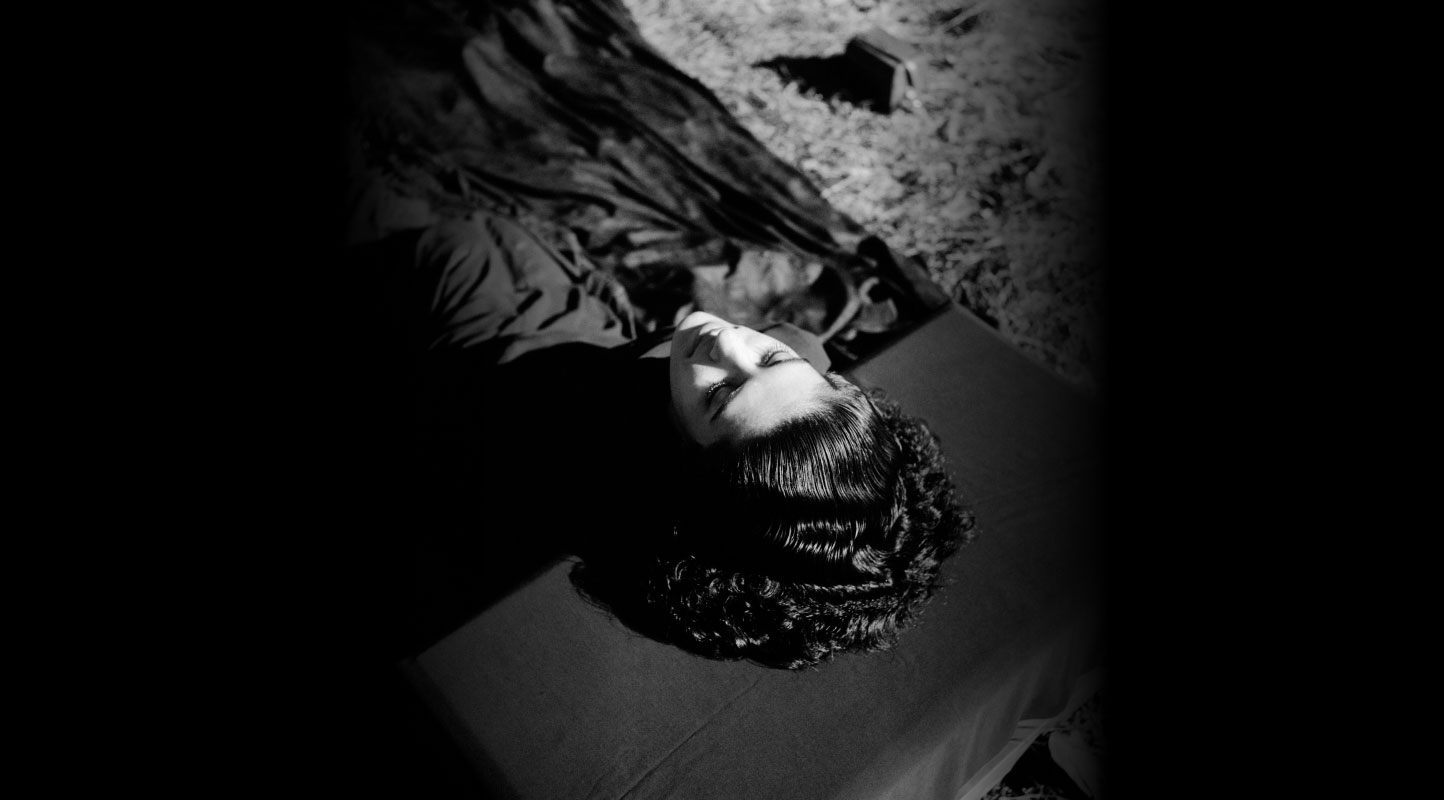


Beyond Censorship: Rethinking Iranian Cinema
At a moment when Iran once again dominates global headlines on account of the ongoing war waged on the country by the U.S. and Israel, a very different image of the country circulates through its cinema.
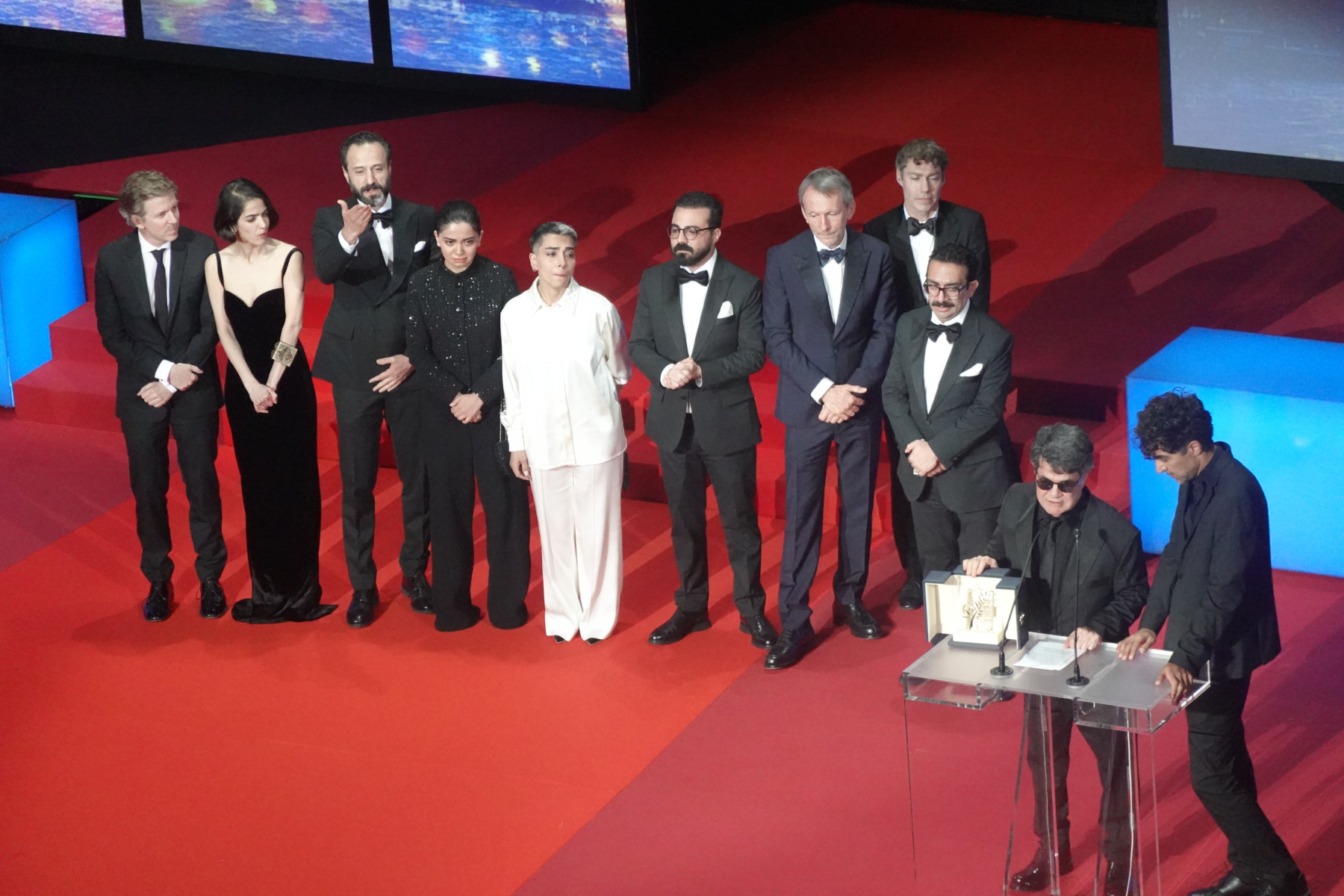
In recent years, directors such as Mohammad Rasoulof and Jafar Panahi have received major international recognition. Rasoulof’s The Seed of the Sacred Fig (2024) premiered at the Cannes Film Festival and won the Special Jury Prize, while Panahi received the Palme d’Or at Cannes for It Was Just an Accident (2025). Yet both have faced prosecution, travel bans and prison sentences in Iran, a reminder of the restrictions under which many filmmakers in the country still operate.
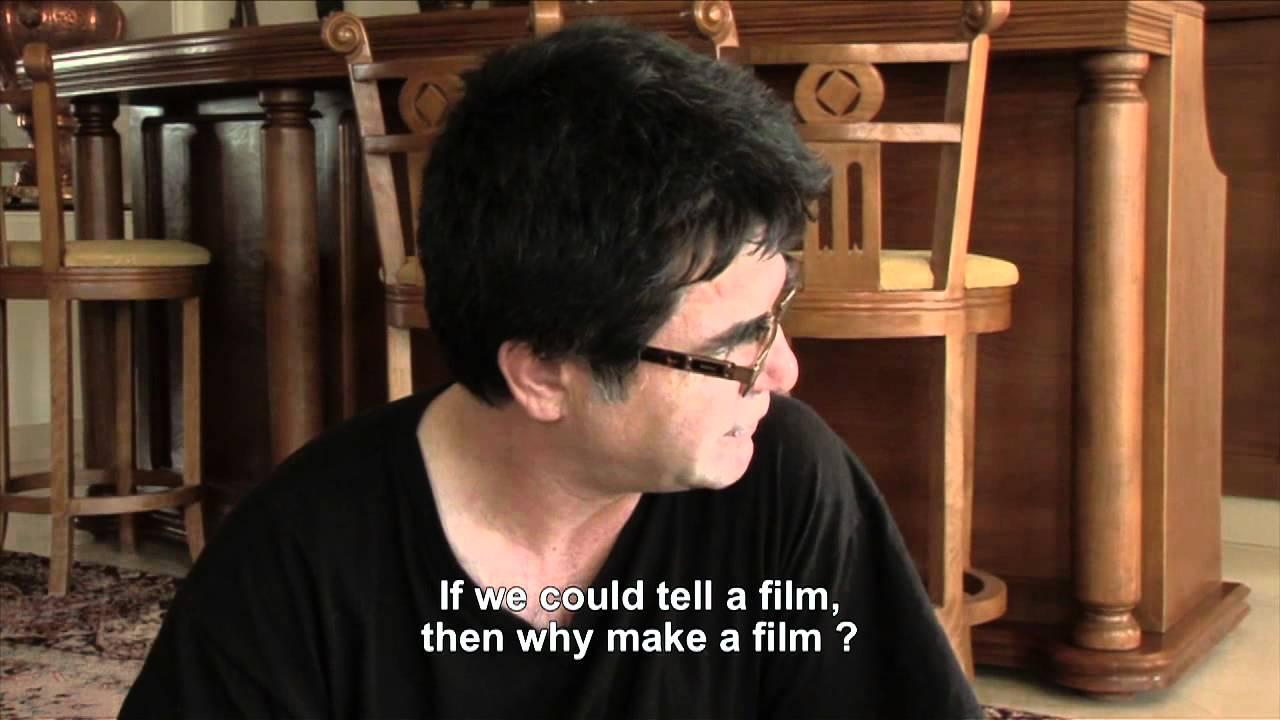
These stories have contributed to a familiar narrative: Iranian cinema is remarkable precisely because of the conditions of censorship that Iranian filmmakers have to negotiate. But to reduce Iranian cinema to a story of censorship alone is to flatten a far richer tradition. Its stylistic hallmarks—such as minimalism, moral ambiguity and a devotion to everyday life—did not arise solely as reactions to repression.
Rather, Iranian cinema is rooted in a deep artistic heritage: Persian literature, documentary realism and decades of cinematic experimentation converge to shape a cinema that is both subtle and profound. Silence and stillness are as important as dialogue. Visual metaphors, rhythmic editing and lingering shots give the films a flow similar to classic poetry. These films are meant to be felt, not just watched.
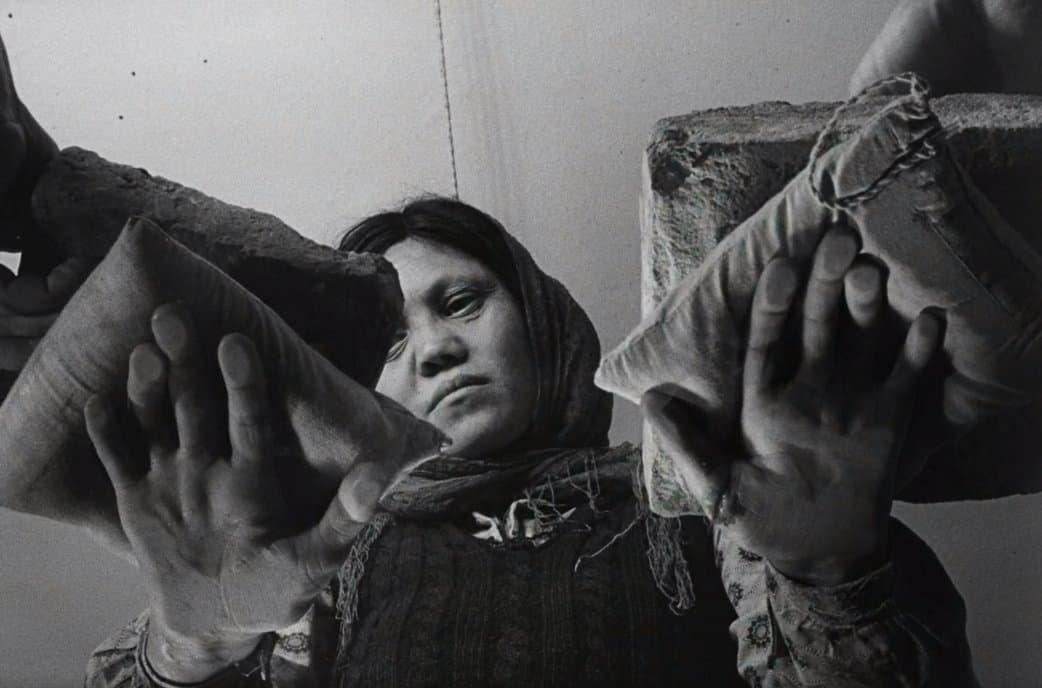
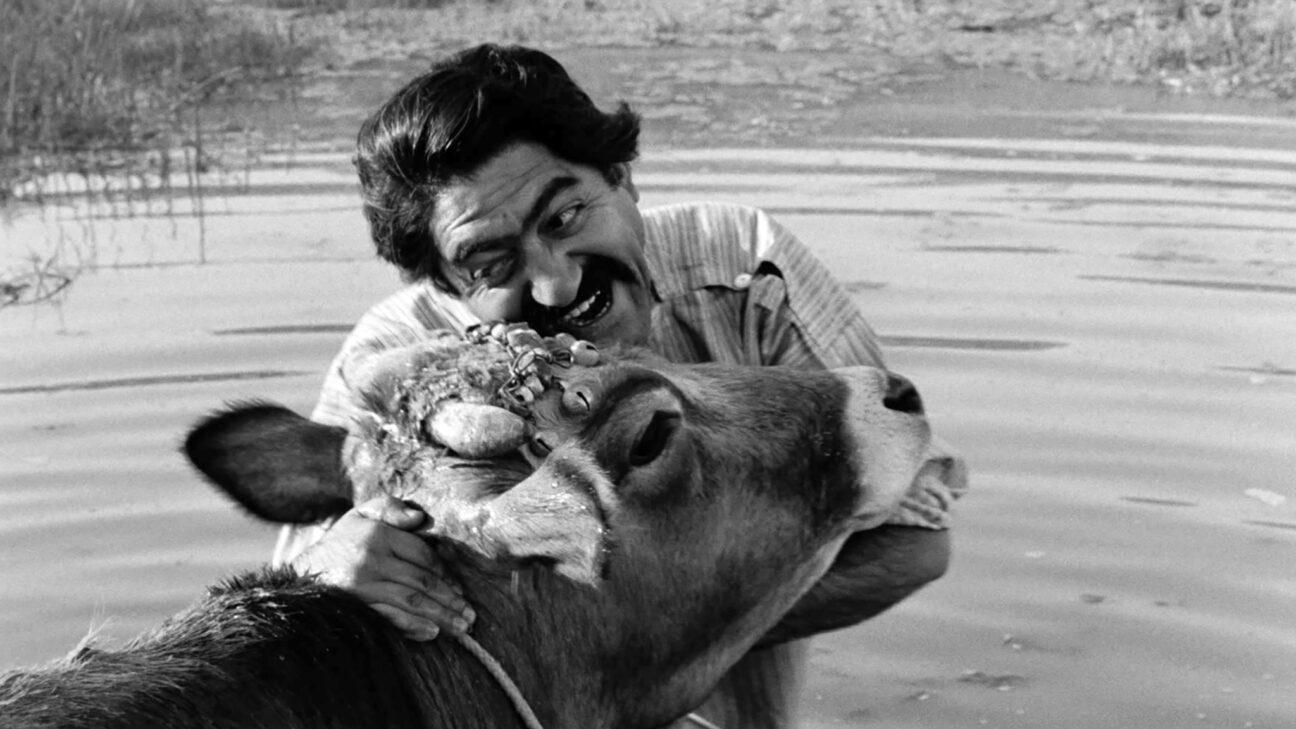
The Iranian New Wave, which began in the late 1960s, combined realism, social critique and symbolism in ways that expanded the language of film. Visionaries like Forough Farrokhzad, with her groundbreaking documentary The House is Black (1962), and Dariush Mehrjui, with The Cow (1969), pushed formal and moral boundaries, insisting that cinema could be both socially aware and artistically daring.
Later, Abbas Kiarostami took this sensibility to new heights. In Taste of Cherry (1997) and Close-Up (1990), he turned the mundane into philosophical cinema, crafting worlds where a single gesture, a glance or a moment of stillness could carry the weight of a life.
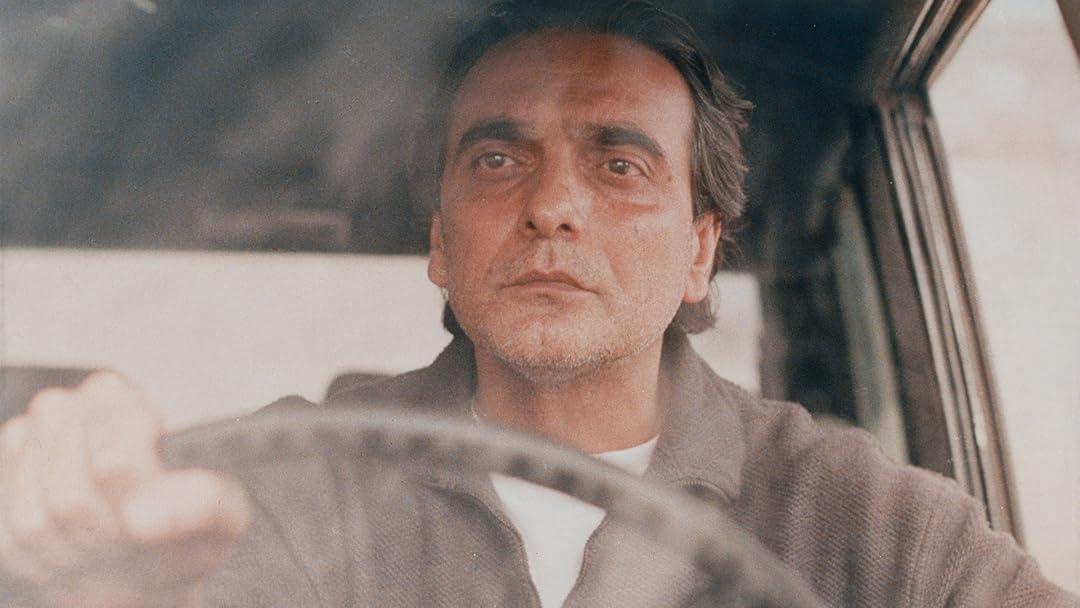
Jean-Luc Godard famously remarked: “Cinema begins with D.W. Griffith and ends with Abbas Kiarostami,” a recognition not only of Kiarostami’s mastery but also of the uniquely Iranian cinematic vision that blends literature, poetry and everyday reality into something universal.
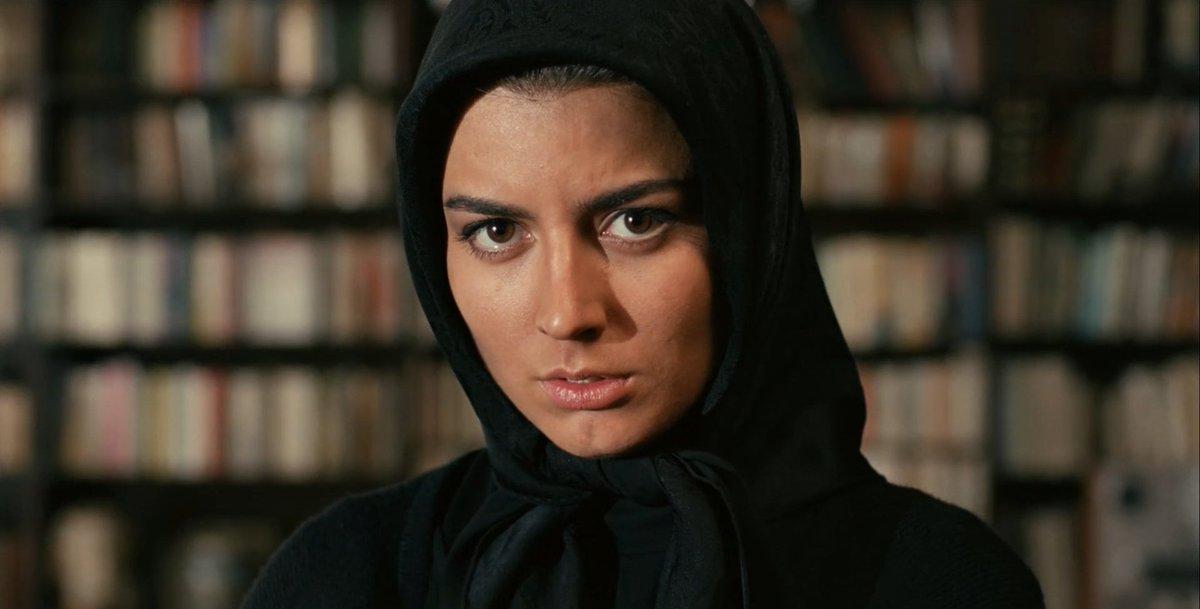
Sometimes, critics unintentionally narrow their reading of Iranian cinema by focusing mainly on moments that appear defiant. Take Mehrjui’s Leila (1997), for example. Scholars like Hamid Naficy have pointed to close-ups of the female character undressing as a clever way of subverting modesty rules—a moment of resistance to censorship. But when we look at the film in context, its overall story actually aligns with the regime’s ideals: the protagonist finds a second wife for her husband, reinforcing Islamic family values and social norms. Film scholar Hamid Taheri has described this tendency of reading all Iranian cinema in terms of subversion as the “fetishising of resistance.”
This is not to say resistance does not exist in Iranian cinema. Rather, it shows that acts of defiance need to be understood within the broader artistic, social and institutional context. Resistance can coexist with compliance or even be shaped by the very conditions of censorship itself. Individual moments of subversion only tell part of the story; the full picture emerges when we consider the film’s narrative or its production environment. In other words, Iranian filmmakers often negotiate a complex space in which resistance, adaptation and ideological alignment operate simultaneously.
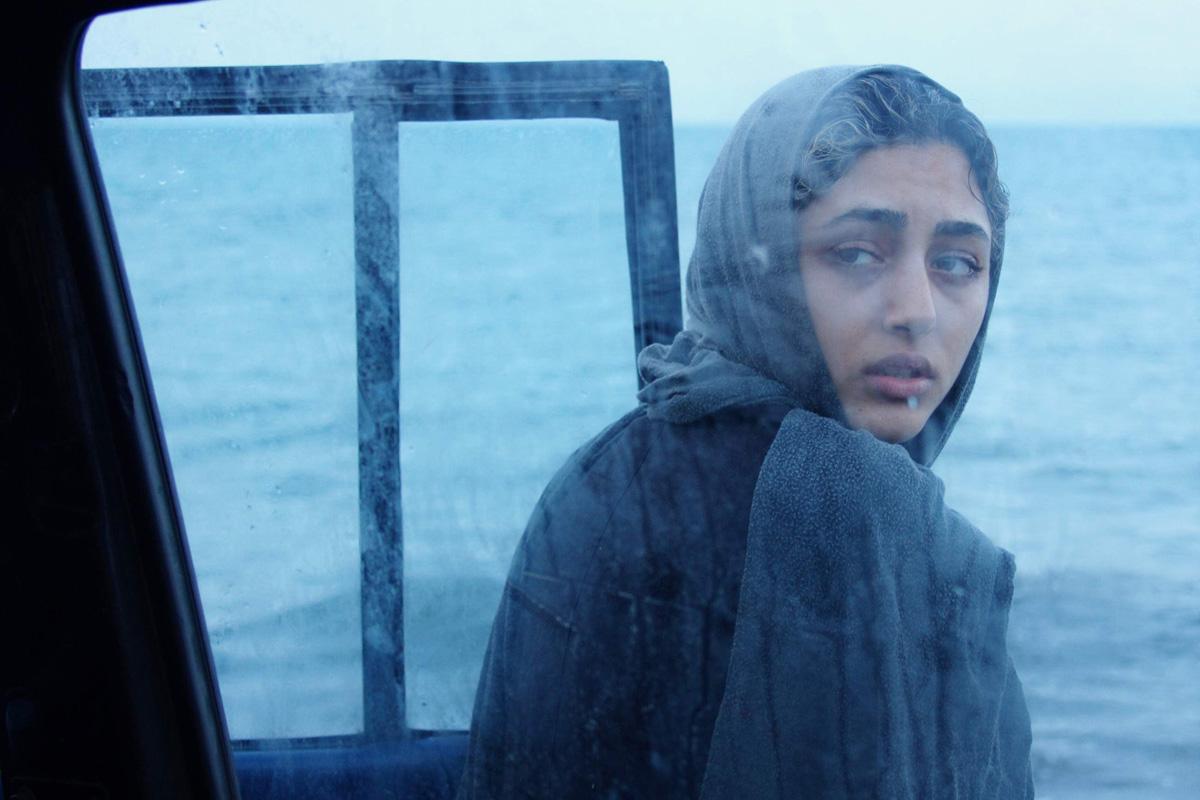
And yet, censorship in Iran is deeply institutionalised. The Ministry of Culture and Islamic Guidance and its affiliated bodies review scripts and issue production and screening permits, shaping films from inception to release. And it is not only the films that are affected; filmmakers themselves can become targets. Directors, including Rasoulof, Panahi and Tahmineh Milani, have faced prosecution or imprisonment at different points in their careers. Controversies surrounding filmmakers and actors, including debates triggered by films such as About Elly (2009) and the later public scrutiny of actress Golshifteh Farahani, also demonstrate how forms of censorship often unfold not only within films themselves but in the wider cultural discourse surrounding them.
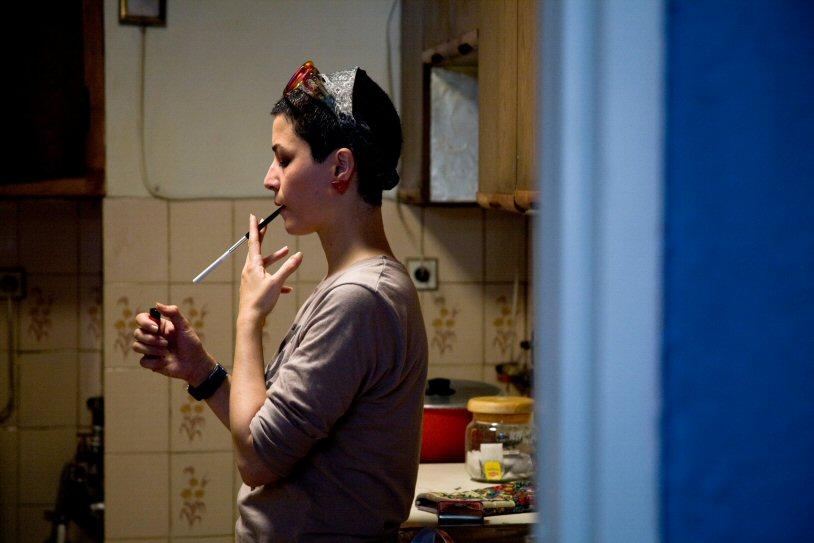
In practice, much of this regulation focuses not only on overt political criticism but particularly on the representation of women. Rules around veiling, personal space and sexuality influence almost every story about women in Iranian cinema. Films have even faced restrictions for showing women without a veil indoors, or for exploring subjects like desire, gender and violence. For instance, Kianoush Ayari’s Kanapeh (The Sofa, 2017) was banned because female characters appeared indoors without a proper hijab—even in private scenes—illustrating how strictly veiling rules shape narrative choices. Similarly, in Granaz Moussavi’s My Tehran for Sale (2009), the actress Marzieh Vafa Mehr was imprisoned for appearing on screen without a proper veil, illustrating how censorship extends beyond the story to actors’ bodies and real-life actions.
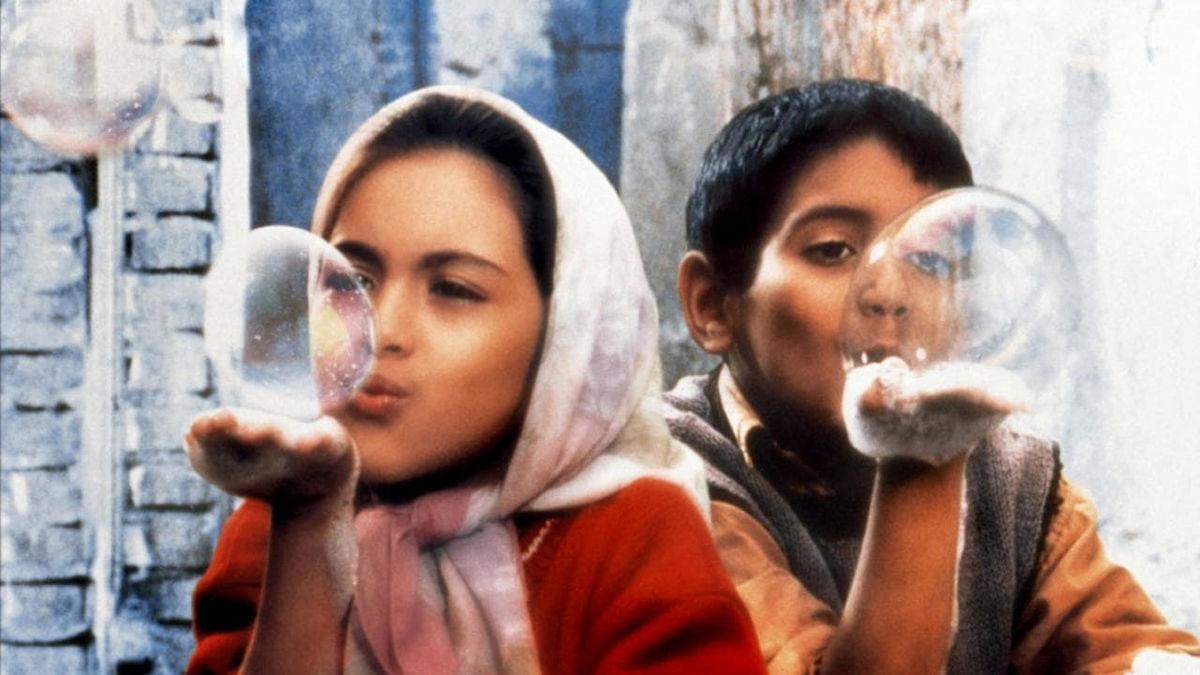
Over time, censorship has profoundly shaped how Iranian films are made. Filmmakers adapt their stories to fit institutional rules, whether by framing female characters at a distance, as in Kiarostami’s The Wind Will Carry Us (1999), or by focusing on child protagonists, like in Majid Majidi’s Children of Heaven (1997), to navigate social restrictions. Tahmineh Milani in Do Zan (Two Women, 1999) altered scenes depicting women’s desire or interactions with men even before submitting her script, ensuring the narrative could pass censorship without losing its feminist themes.
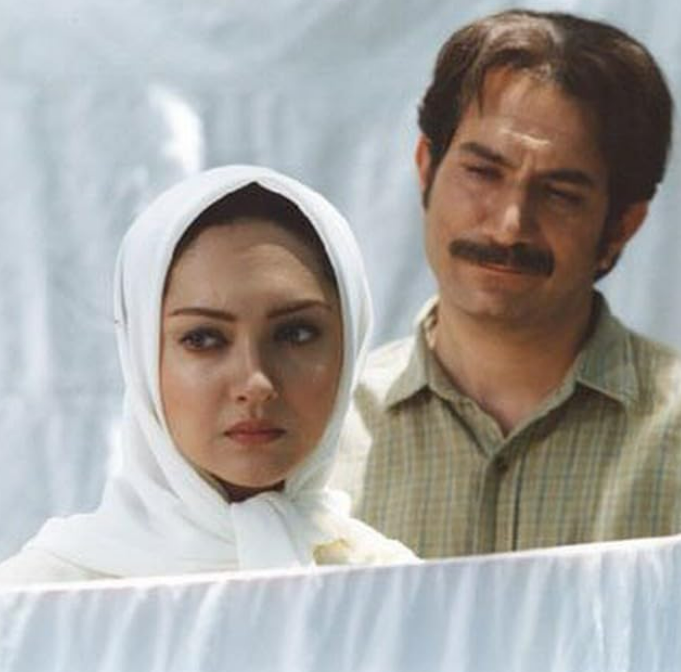
Authorities allow certain ambiguities and audiences often read their own meanings into these films, creating a cinematic culture shaped by ongoing negotiation between directors, institutions and viewers. These restrictions also affect how audiences watch Iranian films. Viewers must accept not only the story's fictional world but also the veil’s unrealistic presence in intimate settings, as seen in Do Zan. In this sense, the cinematic “suspension of disbelief” is extended to accommodate the realities of censorship itself.
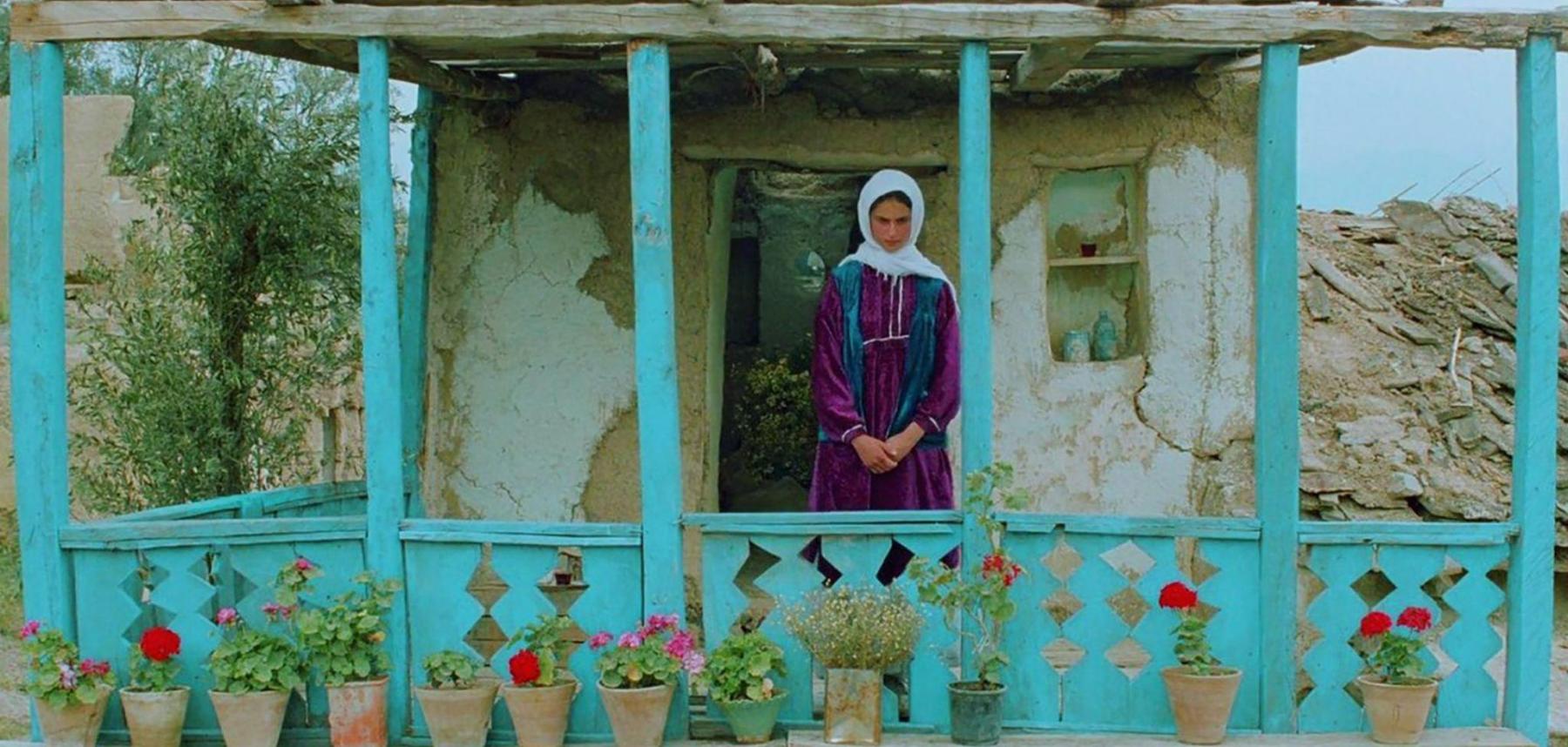
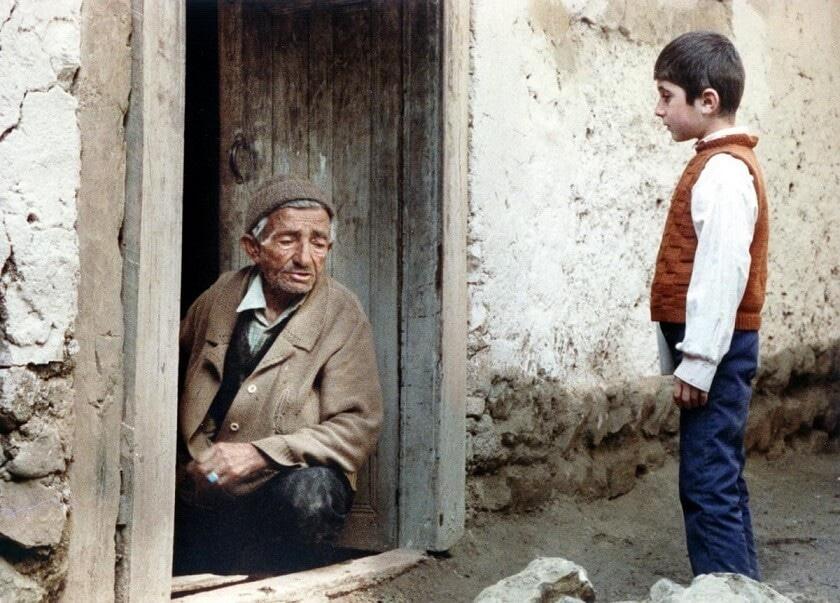
Such constraints inevitably intersected with the kinds of stories Iranian filmmakers told—one notable outcome was the prominence of children’s cinema. Directors often centred their narratives on children, partly because child protagonists allowed them to avoid many of the restrictions governing adult male-female interaction. Films such as Where Is the Friend's House? (1987), And Life Goes On (1992) and Through the Olive Trees (1994)—collectively known as the Koker Trilogy—focus on the everyday experiences of young protagonists while quietly exploring questions of morality. Through seemingly simple quests and encounters, these films explore responsibility, community and the fragile relationships that bind everyday life.
However, the presence of children in the films is not just about getting around censorship. Rather, what makes these stories powerful is their simplicity. By telling larger moral and philosophical stories through the experiences of children, filmmakers bring a clarity and emotional honesty that has become a defining feature of Iranian cinema.
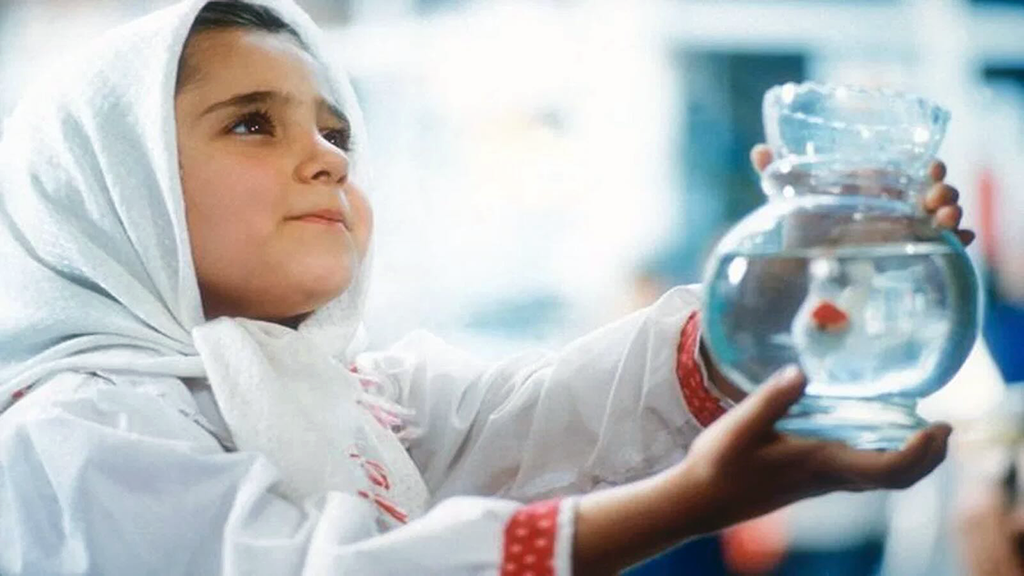
For international audiences, these films came to represent a gentle and reflective national cinema, often associated with quiet narratives about childhood and everyday life. Works like The White Balloon (1995) further reinforced this image abroad. Yet these stylistic choices were not merely strategic responses to political limits; they also reflect a deep engagement with realism, moral storytelling and the rhythms of ordinary Iranian life. Seen this way, Iranian cinema is not simply a product of repression. It emerges from cultural traditions, everyday experience and artistic experimentation. Resistance may be present, but what ultimately endures is the cinema’s sensitivity to society and its mastery of form.
To learn more about Iranian cinema, read Upasana Das’ essay on Hooria Ahmadi’s Tehran Youth Diaries, Ishtayaq Rasool’s reflections on Abbas Kiarostami’s And Life Goes On (1992), Radhika Saraf’s two part essay on Samira Makhmalbaf’s At Five in the Afternoon (2003), Samira Bose’s reflections on Firouzeh Khosrovani’s Radiograph of a Family (2020) and Santasil Mallik’s observations on Sreemoyee Singh’s And, Towards Happy Alleys (2023).
To learn more about censorship and artists navigating through it, read Steevez’s two-part essay on censorship at the PK Rosy Film Festival and Tamil political cinema as a tool of social justice, Bishal Roy’s interview with Labanya Dey on curating the film festival And Cinema Goes On (2025), Radhika Saraf’s reflections on Vinay Shukla’s While We Watched (2023), Ankan Kazi’s observations on Wakilur Rahman’s Censored Image (2015–ongoing) and Silpa Mukherjee’s essay on stardom and censorship rules during the Emergency in India.