
Abbas Kiarostami’s Homework: On Kanoon, Children and Cultural Reforms
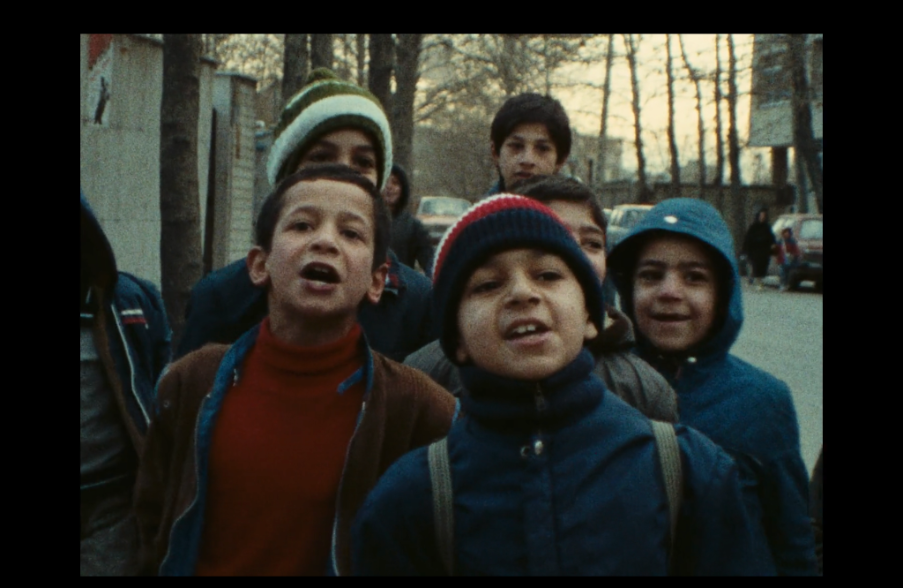
Children look at the camera—just as the camera looks at them—as they trudge to the Shahid Masumi primary school in Tehran on a cold winter morning in Abbas Kiarostami’s documentary, Homework (1989). Hooded, jacketed and satchel-bearing, some dart sheepish looks as they shuffle past while most peer with interest, coming up to ask the director positioned behind the camera about the film he is making. “Homework,” announces Kiarostami, explaining to an adult off-camera that the idea of the project grew out of the difficulties he has been facing with his own child about homework. “It is not really a film,” he says, “more a piece of research.”
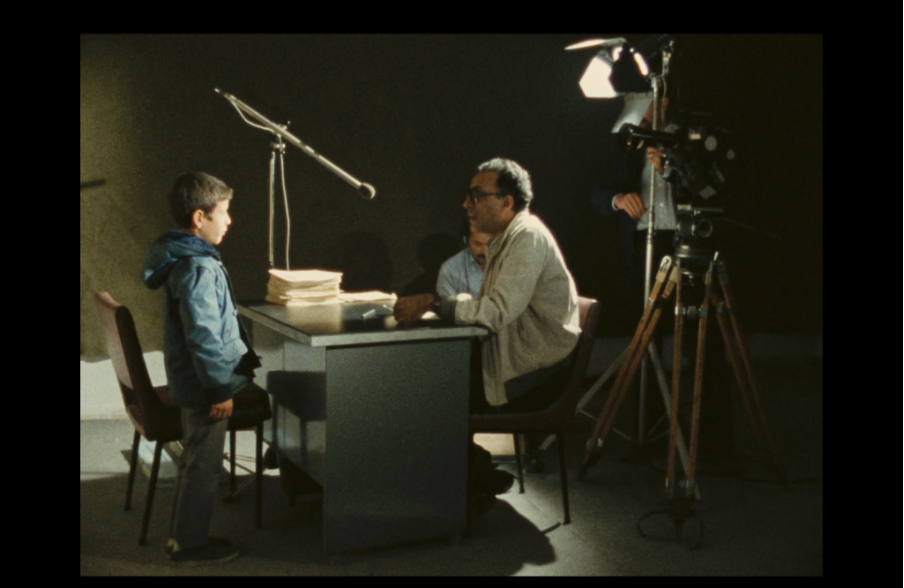
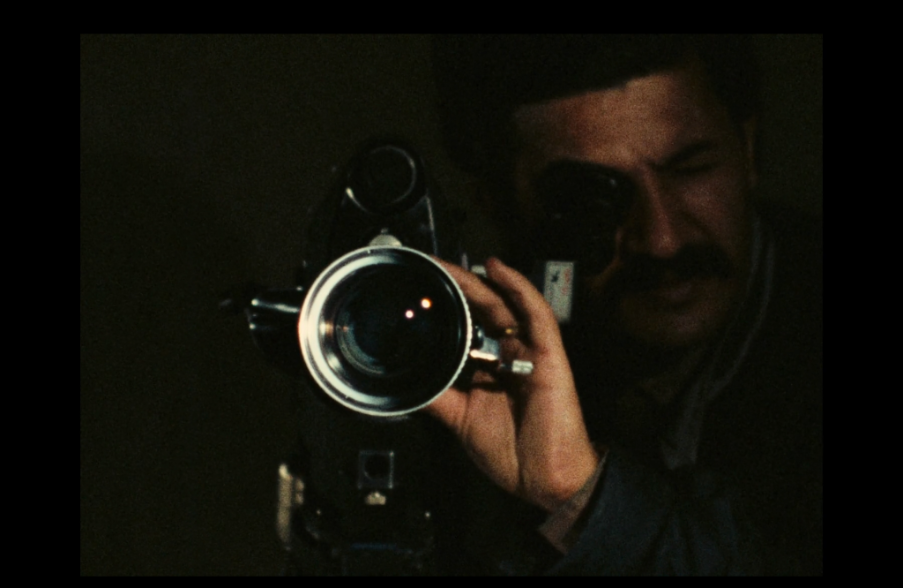
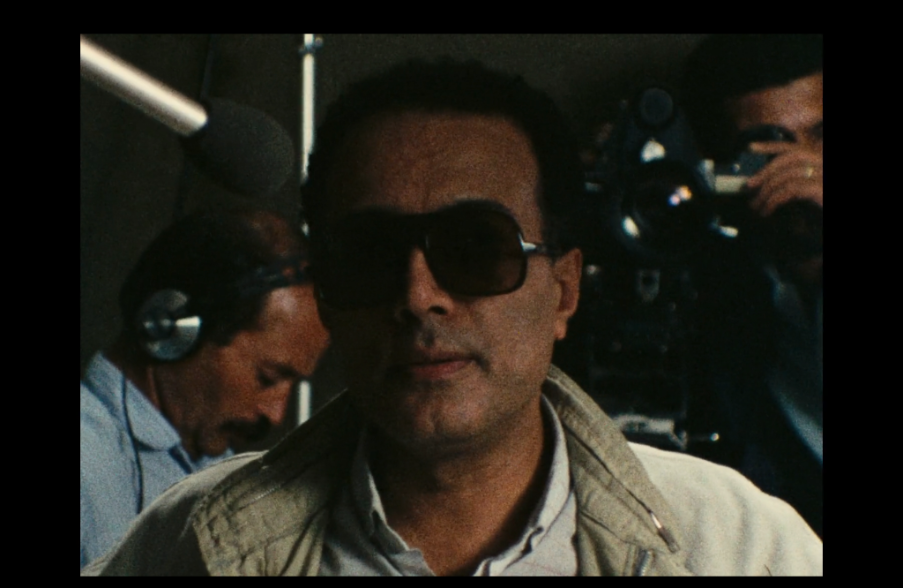
There is direct acknowledgement of the camera, the film and its director from the very beginning of the film. Kiarostami’s transgressions of the boundaries between reality and art are well-known, but the foregrounding of the cinematic apparatus serves a specific role here. Once the interviews begin, we see what the director sees while seated across from the children—their bashful, anxious, guileless faces. But we also see what the children see, i.e., Kiarostami with his signature sunglasses, and repeated shots of the camera lens and the cameraman behind it—setting up a visual level playing field that serves to disrupt the typically lopsided dynamics in the equation between a child and an adult filmmaker-interviewer. These juxtapositions, coupled with wider shots that reveal the crew and set up—while laying bare, in true Kiarostami fashion, the essential artifice of cinema—establish for the children a direct relationship with the camera. In this film that probes the institutional denial of childhood freedom, the camera becomes an outlet for the children to speak freely—unencumbered by and unafraid of the voices of authority that routinely punish and overwhelm them.
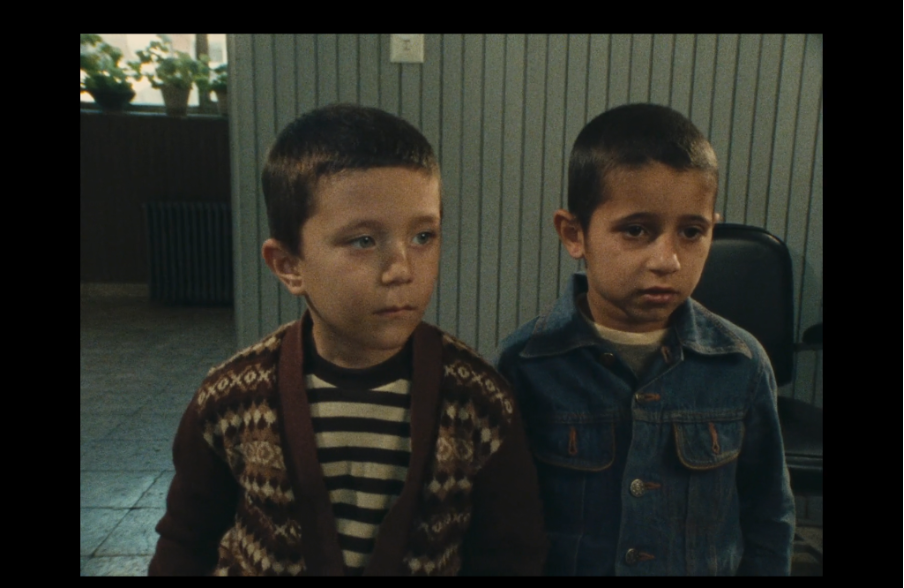
Homework, like Kiarostami’s First Graders (1984), an earlier school film, along with The Bread and Alley (1970) and the landmark film, Where Is the Friend’s House? (1987), centres children’s fears, concerns, adventures and interactions, and was made under the aegis of Kanoon—the Institute for Intellectual Development of Children and Young Adults.
Kanoon was a progressive governmental institution established in 1965 during the period of the last Shah of Iran, Mohammad Reza Pahlavi’s social and cultural reforms. These were aimed at modernising Iranian society, sidelining the feudal landowning elite and the Shia clergy and preventing an uprising by meeting public demands for socio-economic equality. Lily Amīr-Arjomand—a trained librarian, who had been inspired by the institutions she had seen in European countries—wanted to create a children’s library and publishing house. She was entrusted by her childhood friend, Farah Pahlavi, then Queen of Iran, to found Kanoon—an organisation entirely funded by state agencies and one among several institutions which sponsored film production.
Kanoon promoted cultural literacy among children through the production of books, educational courses, films and plays. Its libraries functioned as local cultural centres to screen films alongside other exhibition venues such as cinemas, schools, state-run film festivals and film clubs. It also hosted an international festival of films for children and young adults, which introduced Iranians to global cinema while creating a platform for emerging Iranian filmmakers.
In its first decade, Kanoon made scientific and educational films, adaptations based on literary or historical sources, animation films and those representing everyday life—all with the motive of edification. Their modernist experimentation and minimalist aesthetic, along with a focus on social realism and on-location shooting, influenced the language of the Iranian New Wave. Graphic designers, animators and commercial directors who were recruited by the centre were able to experiment while avoiding the sensationalism and narrative modes of Iranian commercial cinema.
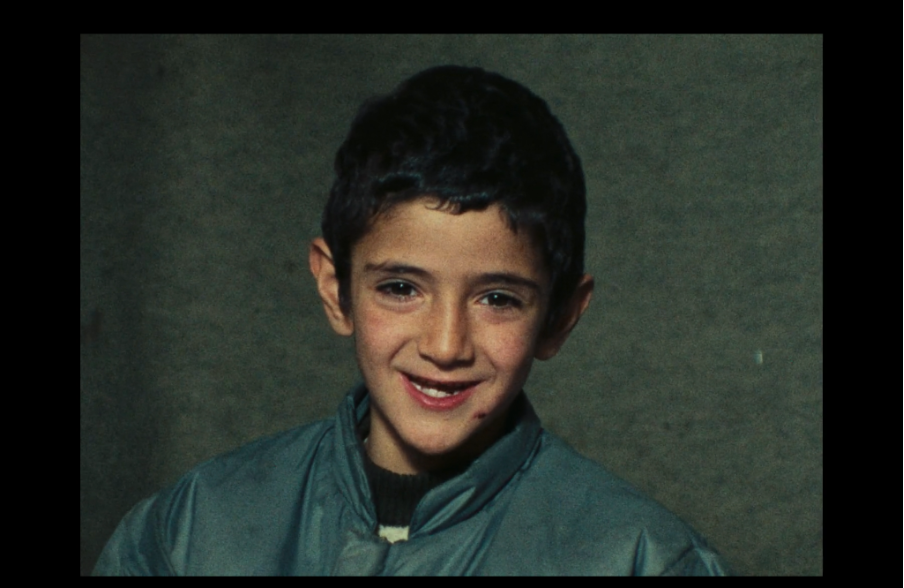
After the Iranian Revolution began in 1979, like other cultural institutions, Kanoon found itself in a state of flux. However, since its films were purportedly for and about children, they ran less risk of defying the Islamic regime’s new and restrictive codes for cinematic production around issues such as the veiling of women and the depiction of physical intimacy.
Kanoon was also the space where Kiarostami spent twenty years. He set up and ran its film department and believed that the institution “was the making of [him] as an artist.” The apparent freedom that Kanoon accorded its filmmakers presumably accounts for Homework’s gentle investigative approach that allowed Kiarostami to shed his parent’s/adult’s perspective as an outsider to the school system in favour of that of a child’s within it.
However, Kiarostami was eventually forced to leave the institution since it disagreed with his investigative and critical stand. Ironically, Homework was the last film Kiarostami made for Kanoon—it was reportedly banned by the government for three years and later screened only for adults. The second part of the essay will reflect on Kiarostami’s interrogation of the school system in post-revolutionary Iran, the role of authority and the incursion of state propaganda in the lives of children, and why this early documentary still endures.
To learn more about Iranian filmmakers exploring the lives of youth in fragile terrains, read Ishtayaq Rasool’s essay on And Life Goes On (1992) and his review of Yaser Talebi’s Sarnevesht (Daughter, 2022), Radhika Saraf’s two-part essay on Samira Makhmalbaf’s At Five in the Afternoon (2003), Ankan Kazi’s essay on Mohsen Makhmalbaf’s The Afghan Alphabet (2002) and Samira Bose’s reflections on Firouzeh Khosrovani’s Radiograph of a Family (2020).
For more insight into films on childhood, read Kamayani Sharma’s essay on short documentaries exploring the lives of Palestinian children, Sucheta Chakraborty’s review of Anoop Lokkur’s Don’t Tell Mother (2025) and Ishtayaq Rasool’s review of Mohamad W. Ali’s Searching for Grandpa (2025).
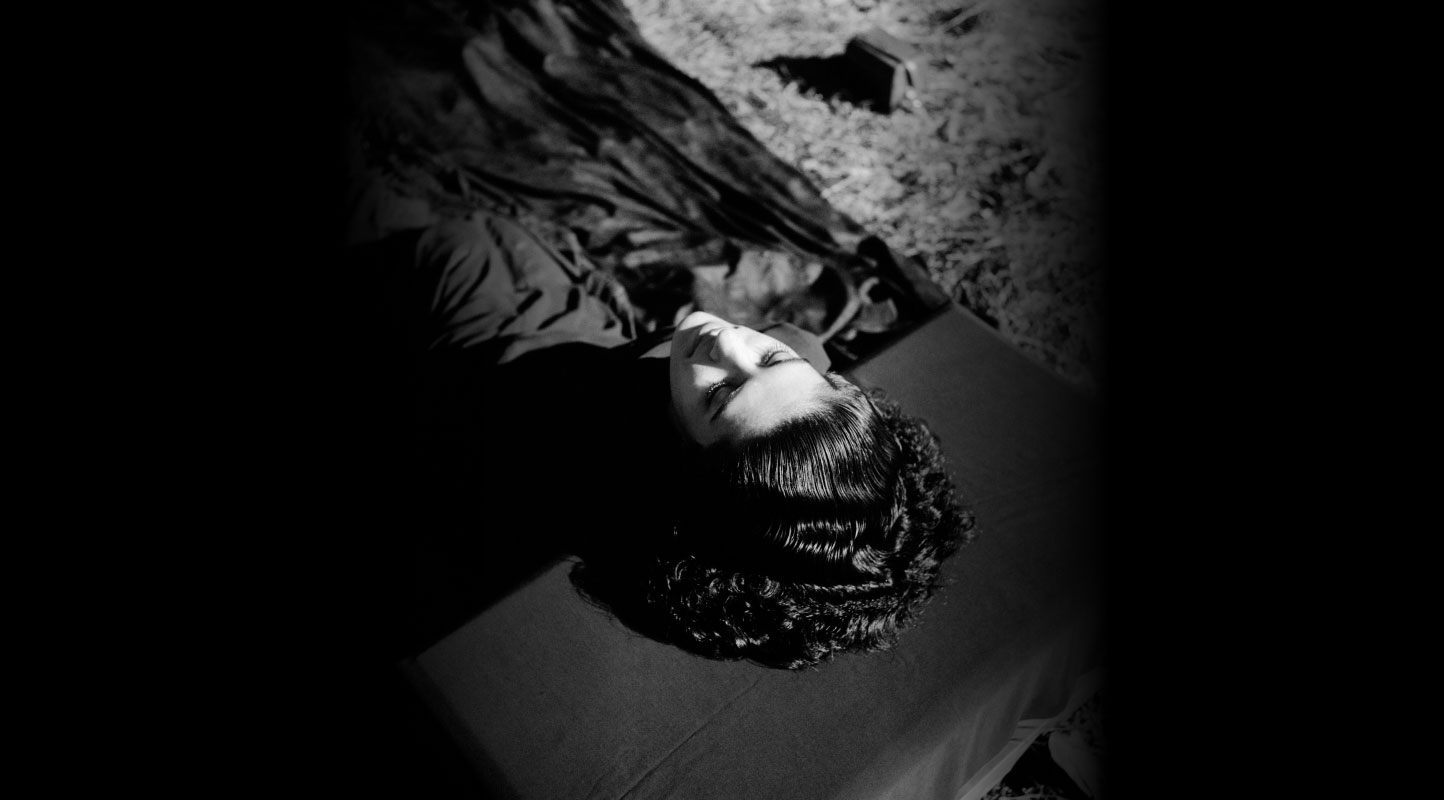
All images are stills from Abbas Kiarostami's films. Images copyright with the filmmaker.