

Myanmar: Art in the Time of Transition
On Saturday, 24 May 2025, ASAP | art organised a conversation with Nathalie Johnston on Myanm/art—an independent exhibition space, archive and library, which Johnston founded in 2016 in Yangon. Having moved to Myanmar (formerly known as Burma) in 2012, her time in the country coincided with a period of hope soon after the political transition in 2010. This was followed by the landslide victory of the National League for Democracy led by Aung San Suu Kyi in 2015, until the coup by the military junta Tatmadaw on the morning of 01 February 2021. In the discussion, Johnston shared her experience of setting up a gallery within an emerging vibrant arts eco-system in Yangon, and of working with artists as they explored the experience of possibility and confronted their own inherited biases in suggesting who partakes in the new nation.
In 2014, the Rohingya were left out of the national census that had been conducted in Myanmar for the first time in thirty years and were incorrectly identified as Bangladeshi immigrants. In 2015, the government passed the Race and Religion Laws, specifically targeting Muslims. In 2016, violence ensued in Rakhine State, forcing 86,000 Rohingya to flee. Today, there are nearly a million Rohingya in refugee camps around Cox’s Bazar in Bangladesh. This already sounds uncomfortably familiar, not merely as an analogy but in its entanglements with the National Register of Citizens (NRC) in 2019 for Assam in India, which excluded two million people precisely on the grounds that they were "illegal Bangladeshi immigrants." And then, about two weeks before the talk, the Indian Navy forced forty Rohingya refugees into the Andaman Sea, pointing to the ways in which our boundedness to the nation has led to an amnesia about our historical, continuous and interconnected relationship with Myanmar and Southeast Asia.
In the talk, Johnston drew a longer arc of Burmese modernism that helped understand the imagination of the “nation” at the time of the twentieth-century decolonial transition. And yet, this is not to romanticise the decade of possibility in the very recent past—the gallery still runs, people still live in Yangon and artists are still making work, reminding us of what writer Wendy Law-Yone, who grew up in Rangoon in the 1960s, recalls as an important lesson: “Endings, like beginnings, are never as clear-cut as we wish them to be.” Johnston too insisted that the tides will turn again, and in the meantime we continue to do, think, learn, educate, experiment, fail, try again and—perhaps of most value—build friendships.
Nathalie Johnston is an author and independent curator specialising in contemporary art from South and Southeast Asia. In 2016, she founded Myanm/art, dedicated to promoting exchange, opportunities, and inclusion for artists from a multiplicity of backgrounds. She was based in Yangon, Myanmar, from 2012–21.
Her previous curatorial collaborations include Sunshower: Contemporary Art from Southeast Asia 1980s to Now at the National Arts Center, Tokyo; 3AM performance art collective in the 10th Asia Pacific Triennial at the Queensland Art Gallery in Brisbane; and A Beast, A God and a Line exhibit in Hong Kong, Yangon and Warsaw.
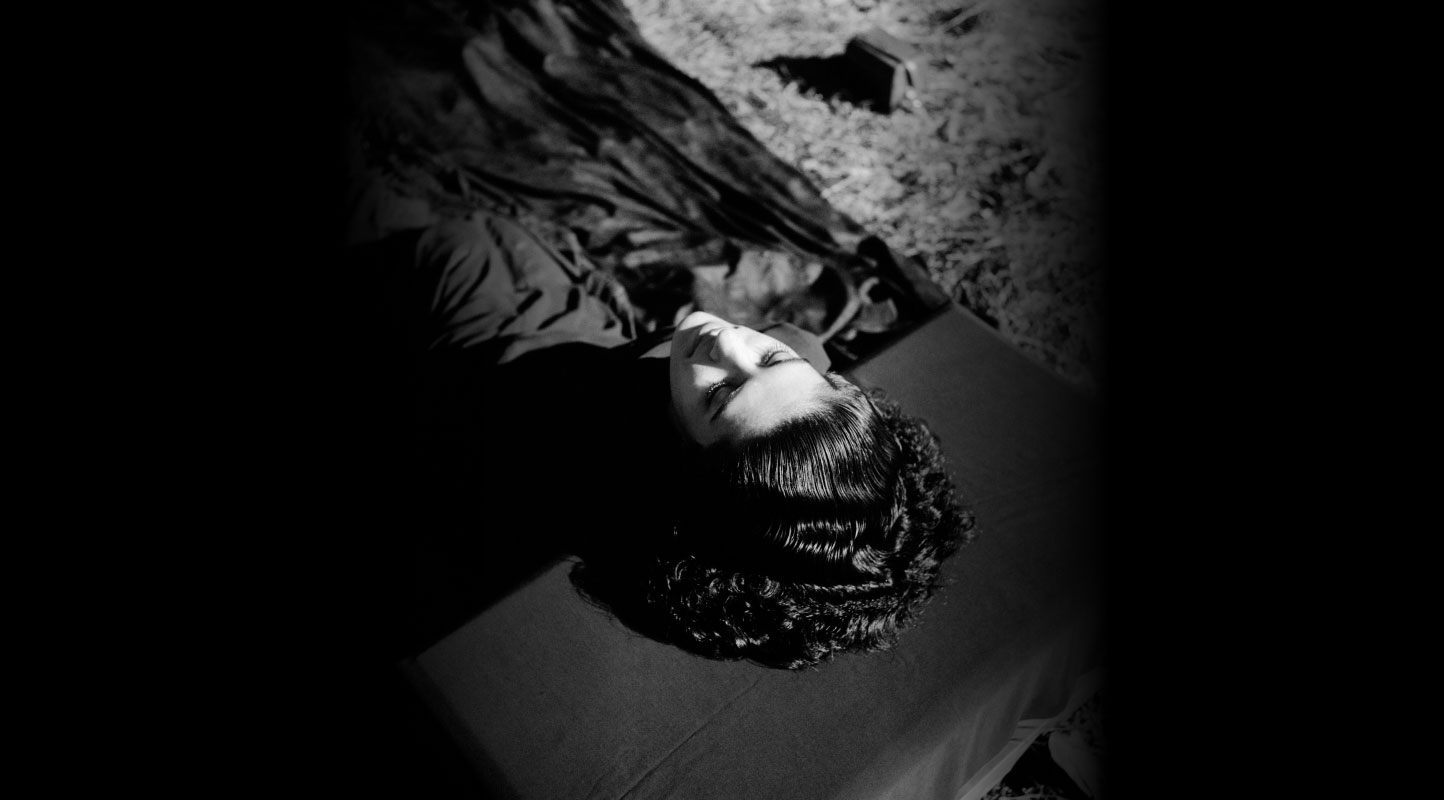
(Featured image: #Response365 #339 [Emily Phyo 2022, inkjet print on Ilford Galerie Smooth Pearl paper. Image courtesy the artist and 16albermarle project space.])
Recorded on 24 May 2025.
To learn more about art in and about Myanmar, read Mallika Visvanathan’s two-part essay on Amar Kanwar’s The Torn First Pages (2004–08), Anisha Baid’s essay on the Yangon Photo Festival and curated album from Mayco Naing’s series Freedom from Fear (2014). Also view Avrati Bhatnagar’s curated album archiving the experiences of British troops in Myanmar during the Second World War.
To learn more about ASAP | art’s public programming, watch our previous recordings with Avijit Mukul Kishore on his practice as it explores home, autobiography and memory, and their inseparable link with political history; Kartik Nair and Vibhushan Subba on Bombay Horror and the spectral archive; Abeer Gupta and Natasha Ginwala discussing curating in South Asia; Naeem Mohaiemen discussing his book Midnight’s Third Child; Tapati Guha-Thakurta, Vazira Zamindar and Shuddhabrata Sengupta discussing How Secular is Art? and Ashish Rajadhyaksha discussing his book John-Ghatak-Tarkovsky.