

Diyaari Puja: A Post-Harvest Ritual of Gratitude
Diyaari is a post-harvest festival celebrated in the Bastar region of South Chhattisgarh, primarily among the agricultural Adivasi communities of the Dhurwa, Muria, Maria, Gond and Halba. While the rituals vary slightly from place to place, the core significance—gratitude for the harvest and acknowledgement of the bond between land, cattle, forests and livelihood—remains the same across the region.
Soon after the paddy harvest, the communities gather with their families to thank their ancestral gods, their cattle, the land and the forests for the season’s harvest. It marks a small but significant beginning that later unfolds into the larger and more elaborate celebration of the Madai Mela, which is the travelling ritual festival through which Adivasi communities of Bastar renew relationships with their deities, land, and each other, seeking collective protection, balance and continuity across villages.
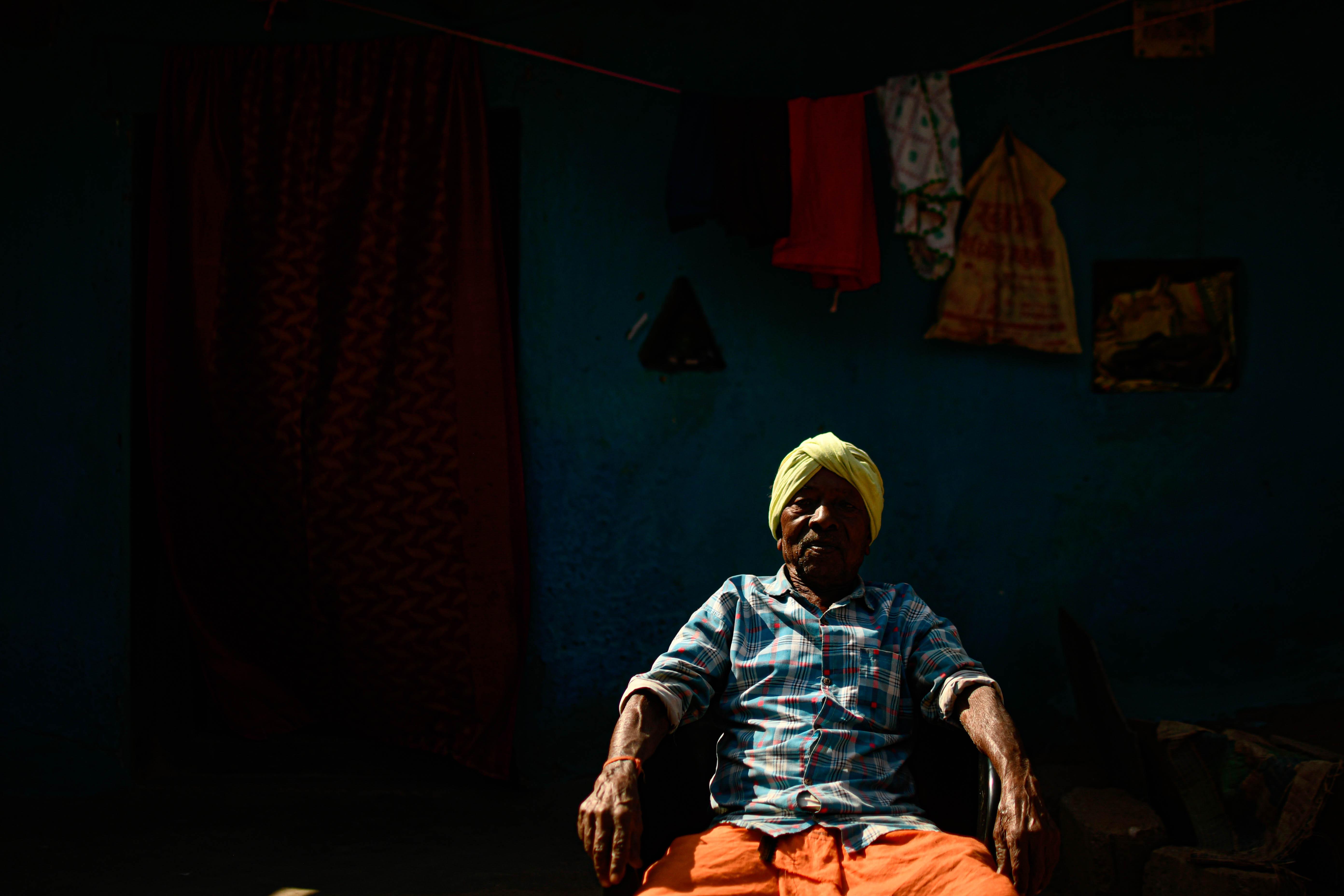
Each village celebrates Diyaari on a different date. Traditionally, this was decided by the village priest after receiving a dream from the devi. Today, as Santu, who invited me to his home in Dongriguda village, explained, the date is decided collectively, often choosing a full-moon night so celebrations can continue late into the night.
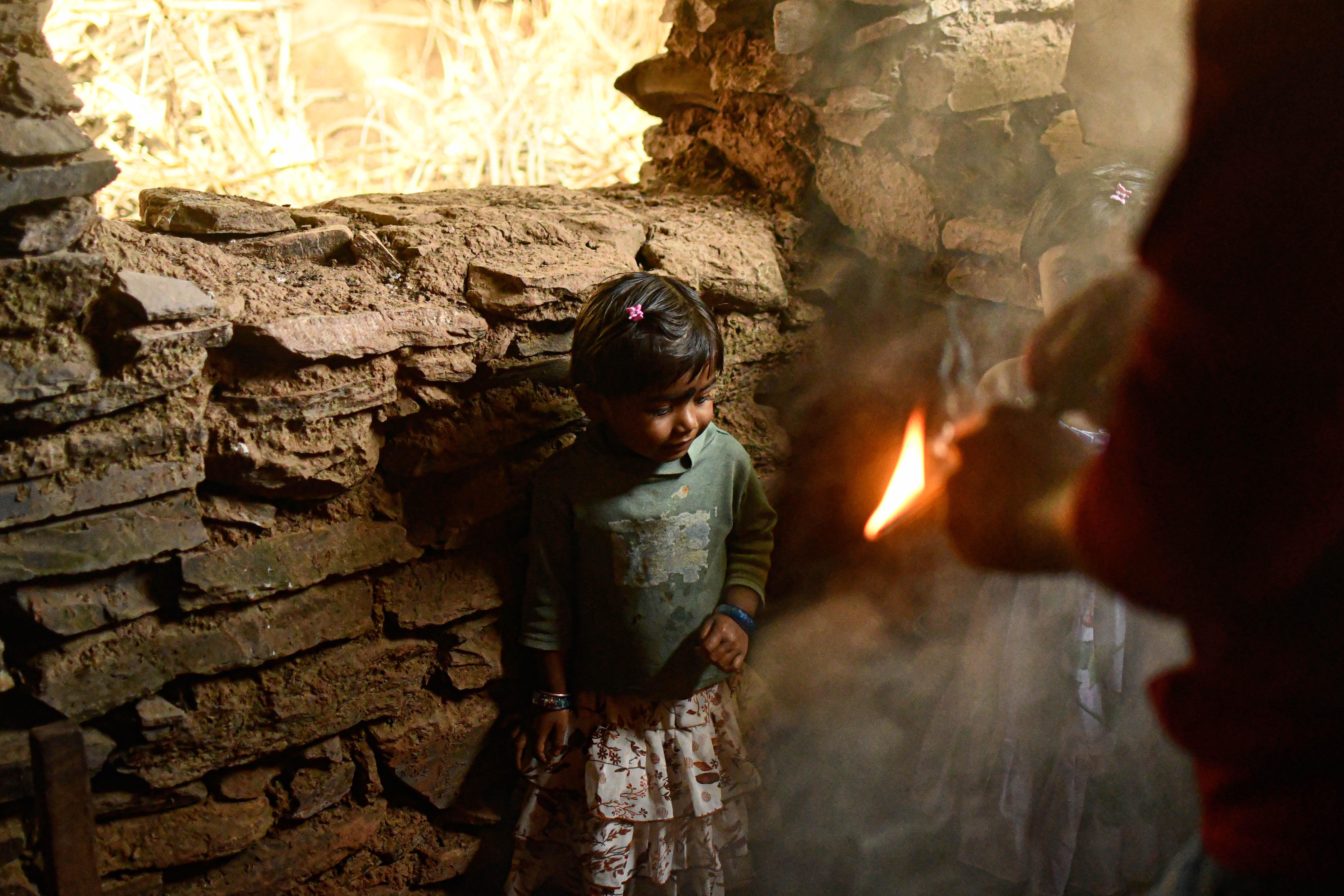
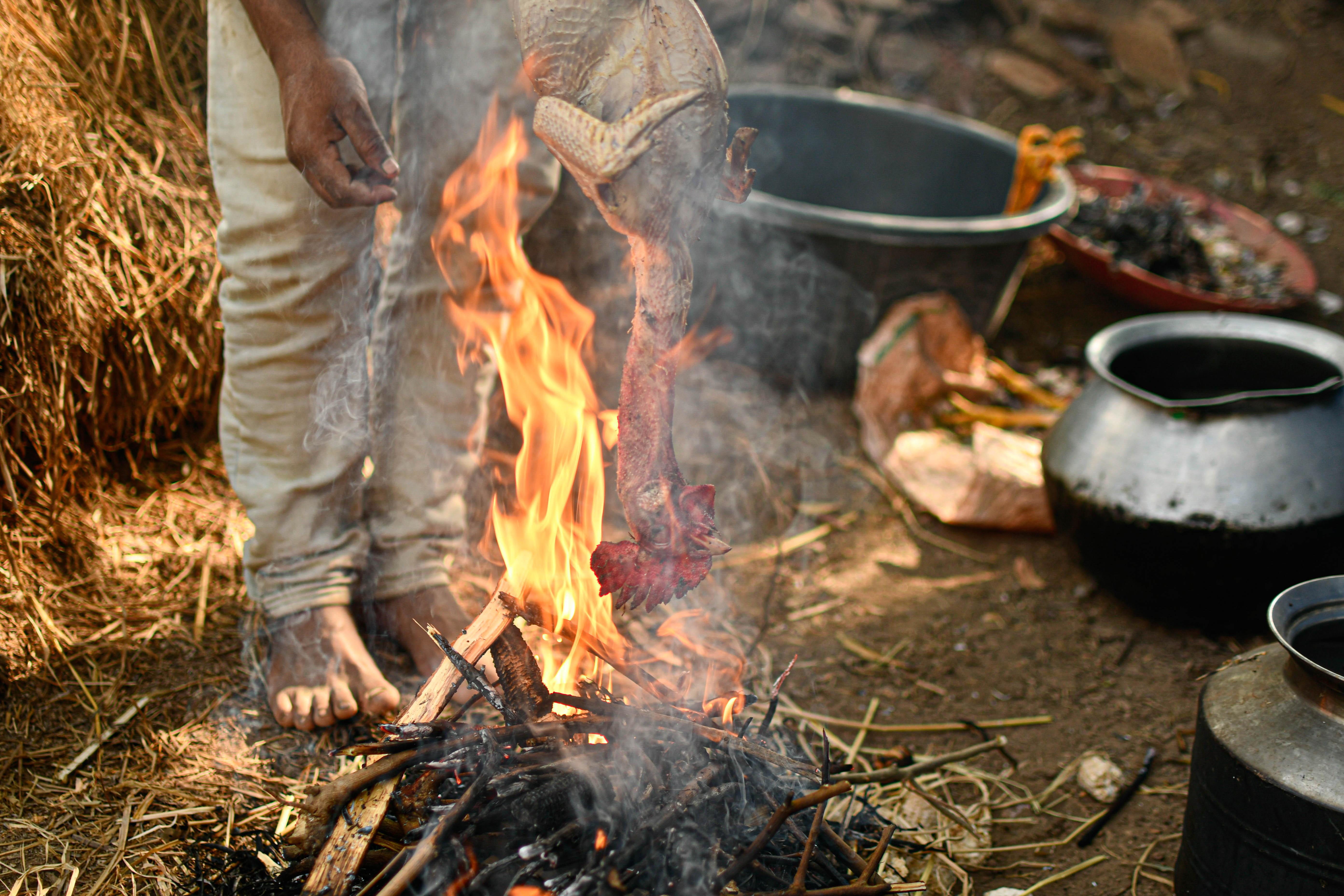
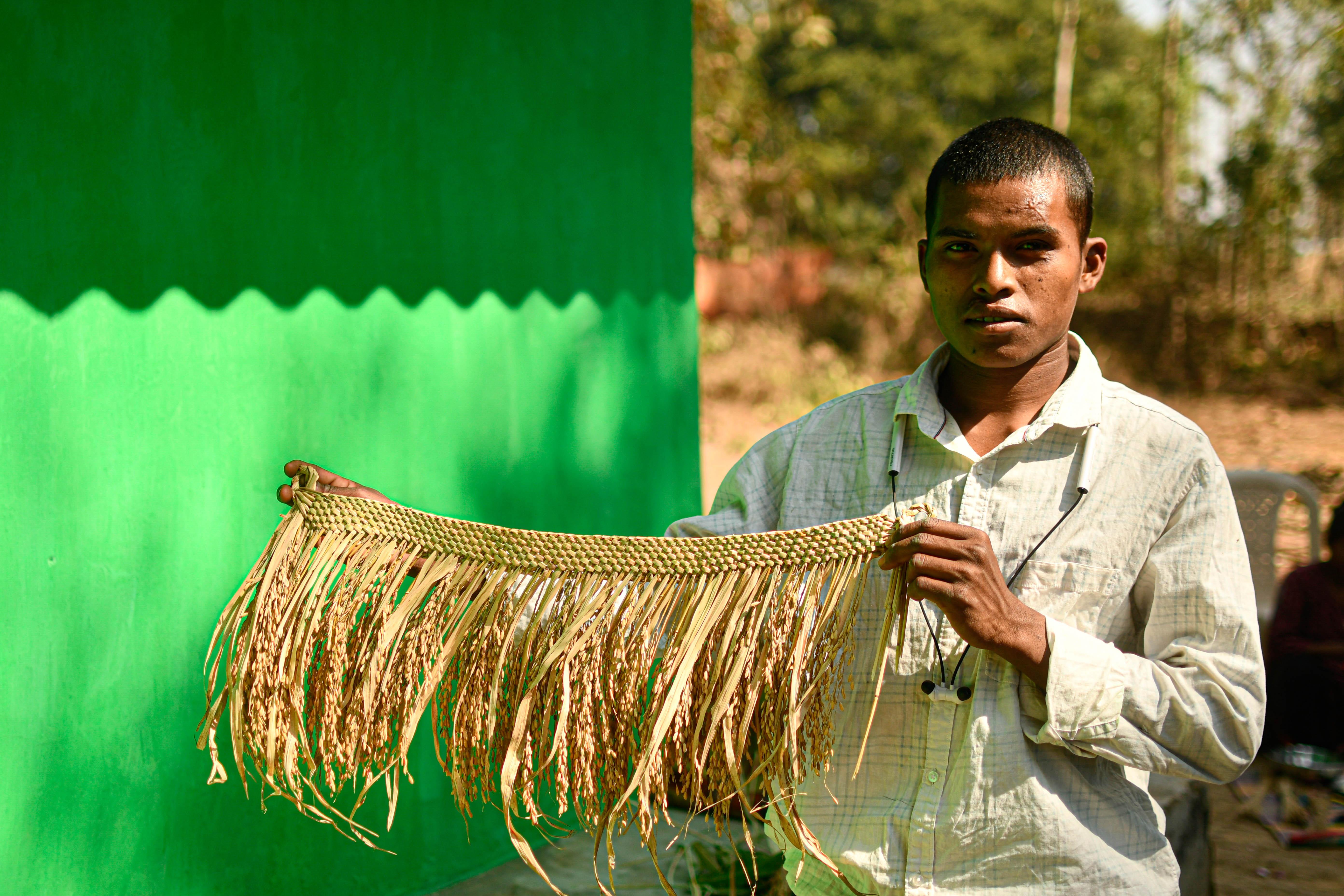
Diyaari is a celebration that brings Adivasis, along with non-Adivasi communities such as Dhurais (herders) and Kumahars (pot makers), together—where different communities meet, share, and celebrate as one. Diyaari begins with Charu, when village residents gather at the gudi (their local temple) for a sacrificial ritual. Chickens and goats are offered, cooked and shared by the entire community. This is followed by honouring the Dhurai, the herders, through songs and dancing that continue late into the night. Later, the cows of each household are bathed and taken to the village priest’s home, where a getha (sacred thread) is blessed by the village priest and then tied around the cows’ necks. Early the next morning, preparations begin in households that rear cows. A traditional barter system comes alive: potters provide cooking vessels, others make baskets and tools, and in return they receive grains and vegetables. Sela-making follows—these are ornamental door hanging made from freshly cut dhaan (paddy) placed outside every house for decoration as well as an offering for the birds. “Birds play a huge role for us,” Santu said. “They eat the insects in our farms, so even they have a share in our harvest.”
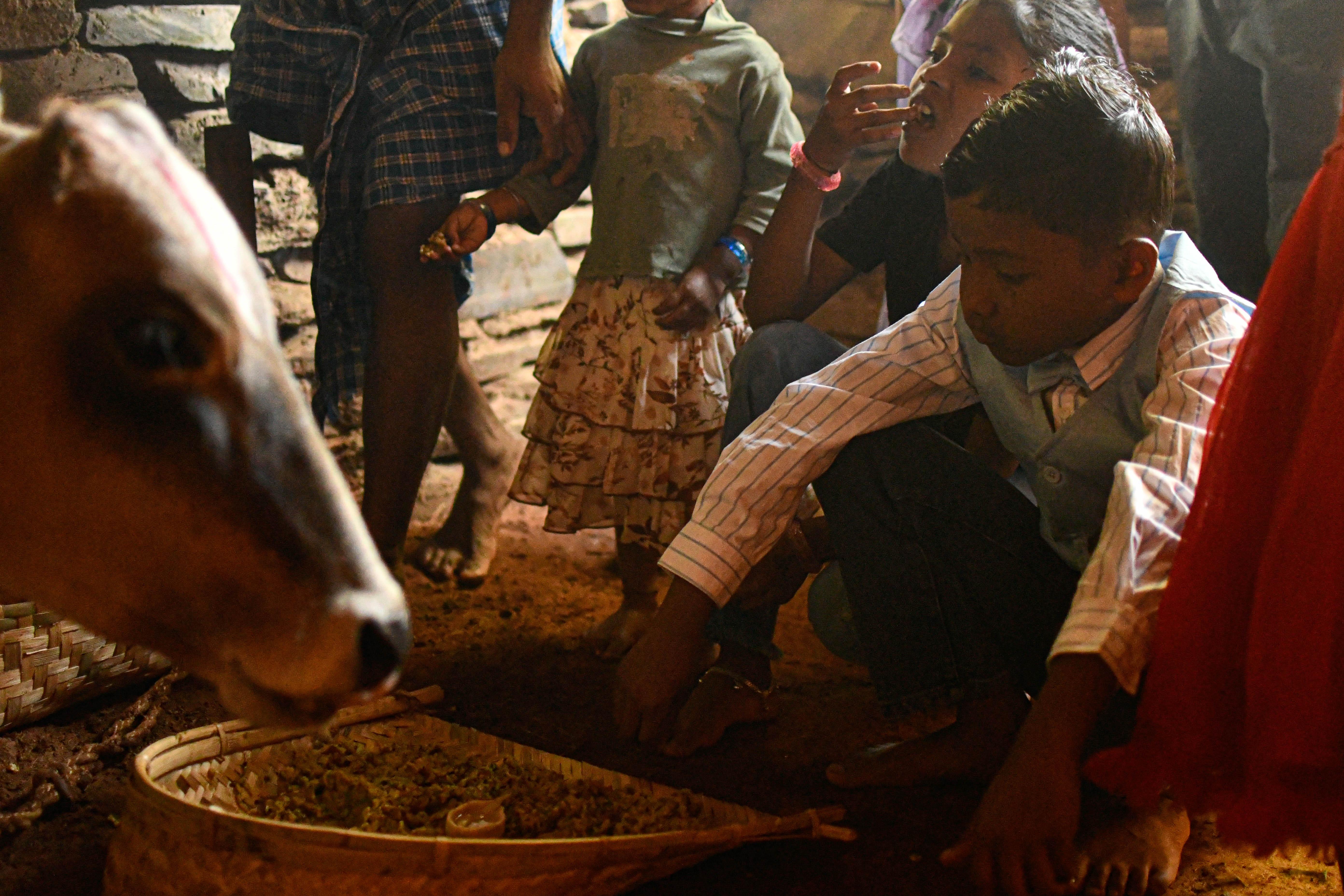
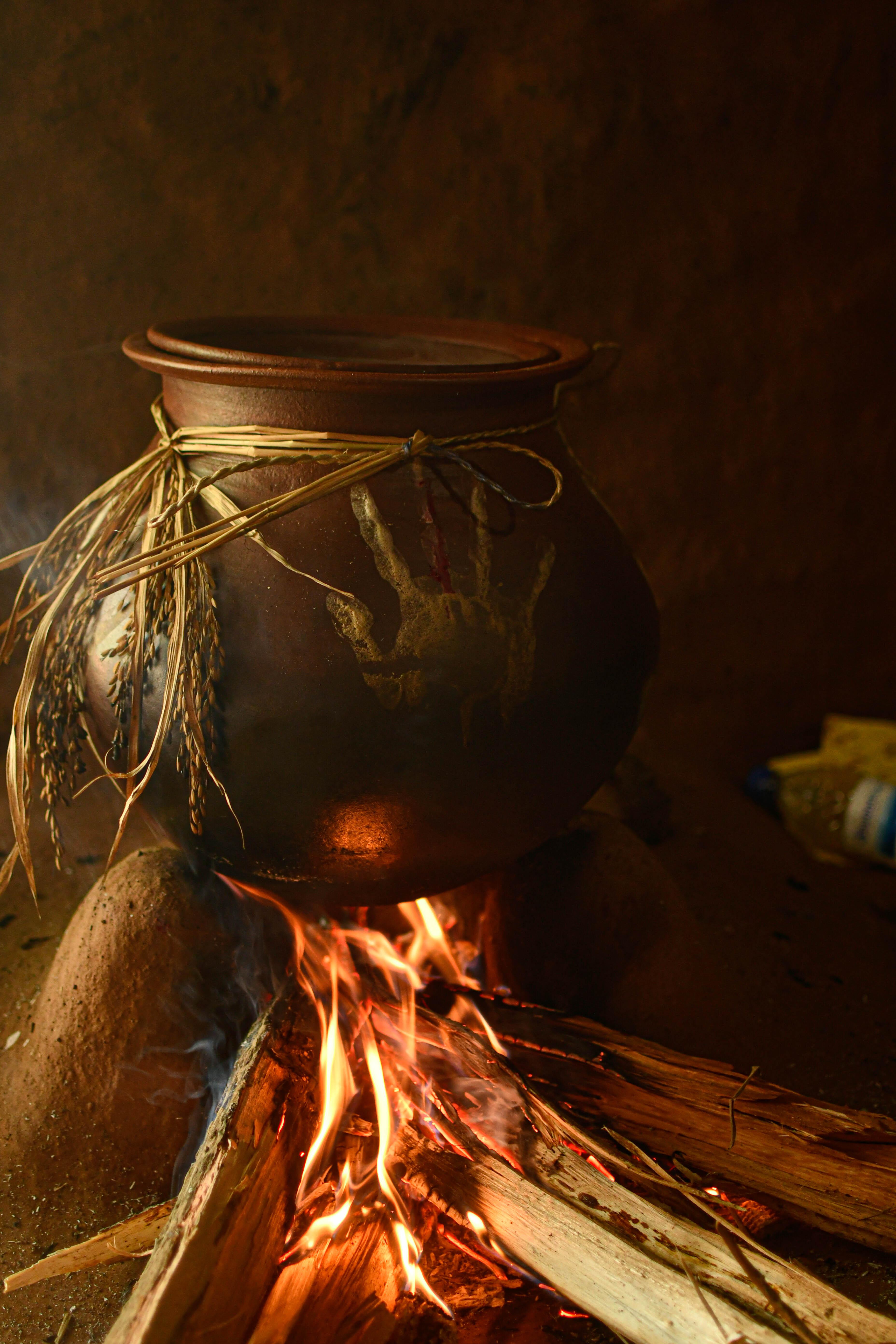
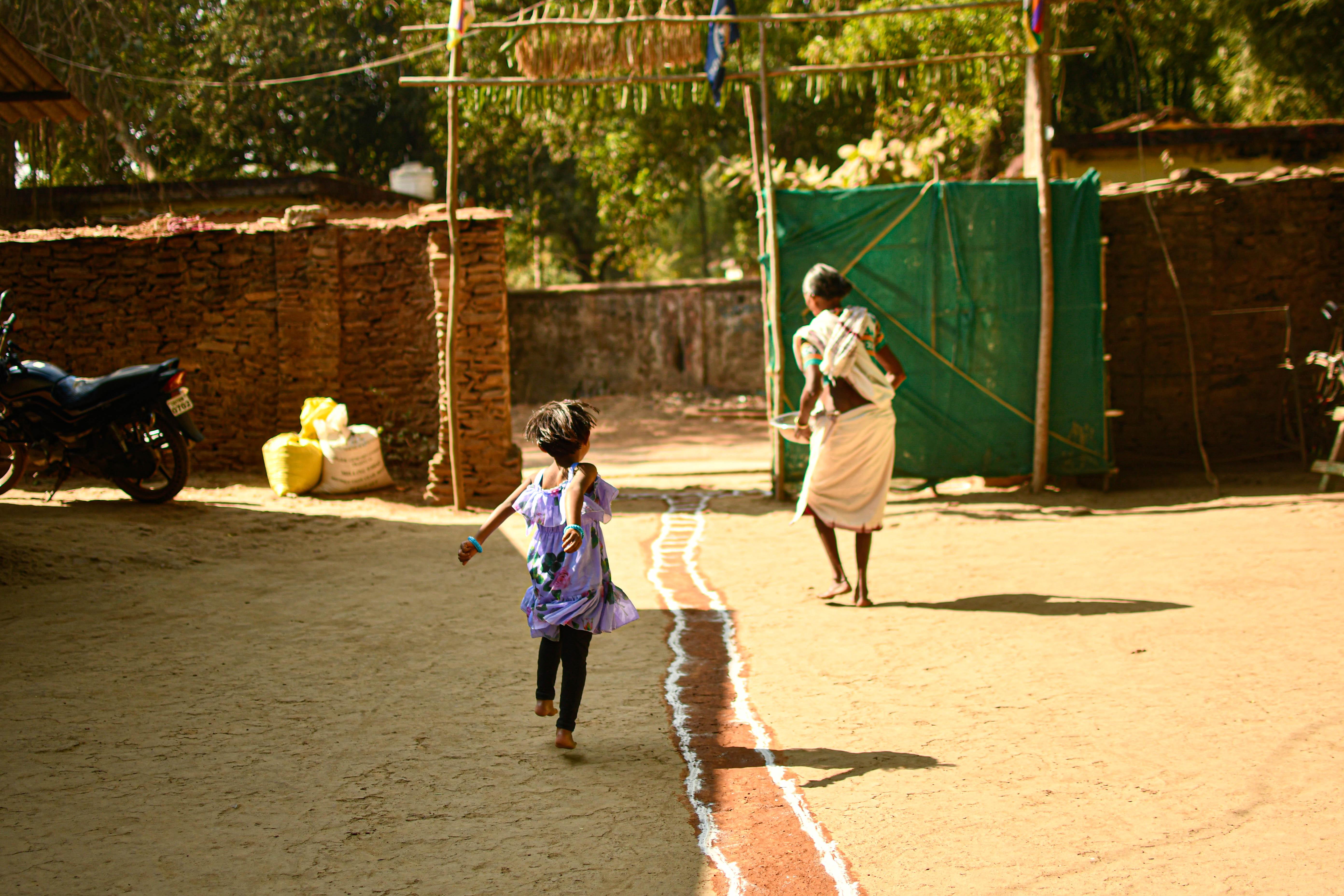
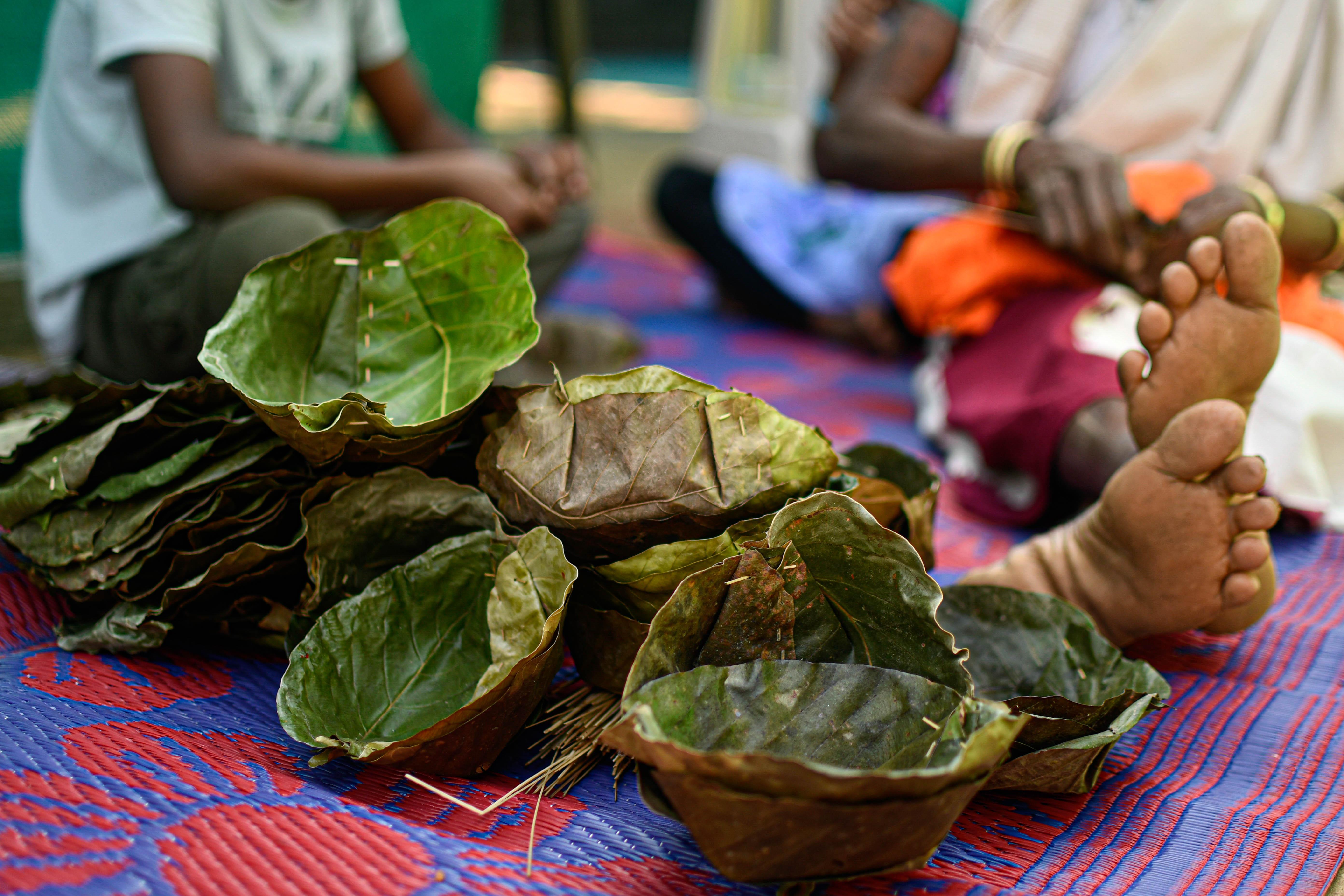
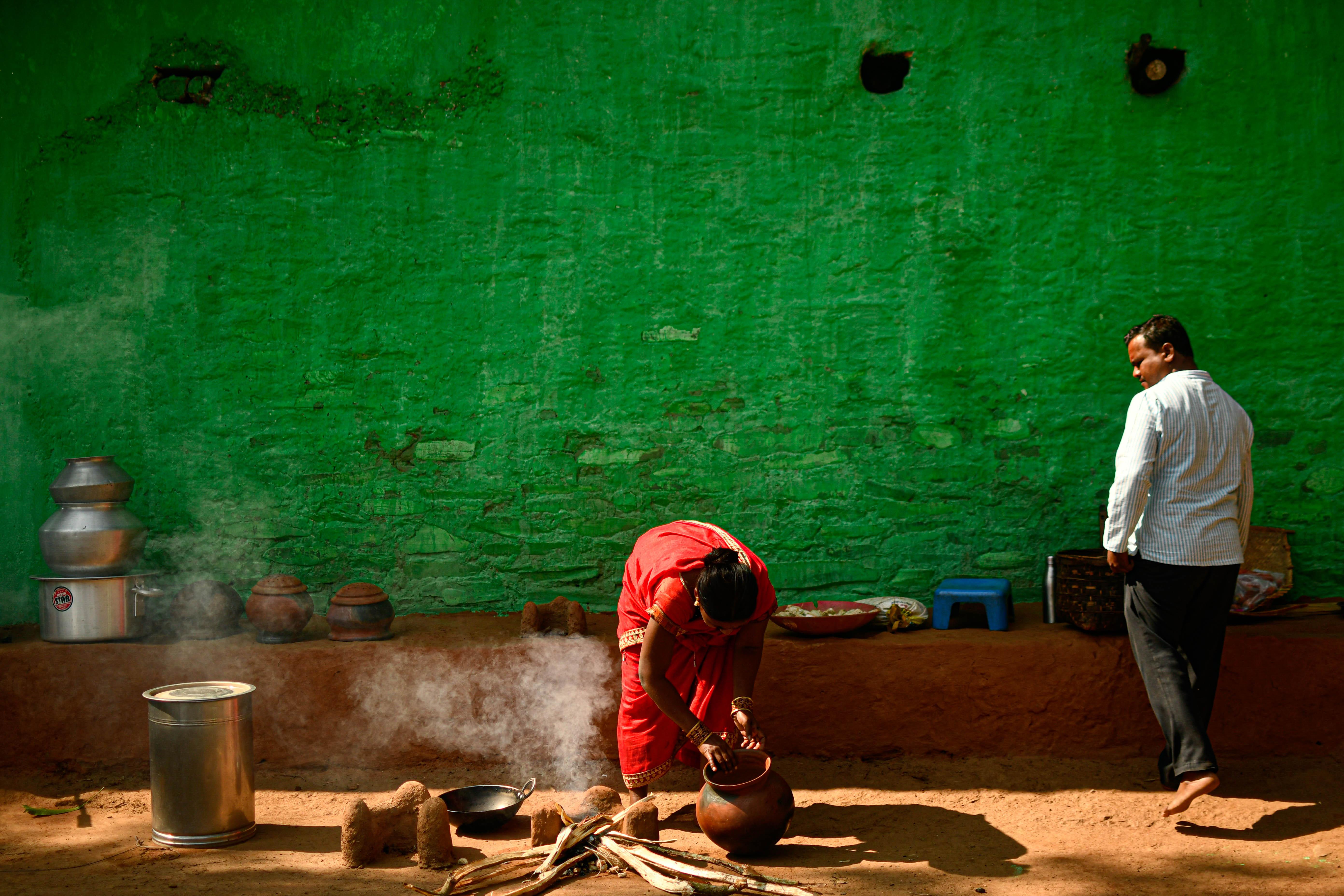
Khichdi, a rice porridge made with rice, lentils and seasonal vegetables, is cooked in a mud pot that is prayed to. Red mud is painted in a line from the house entrance to the cowshed and decorated with rice-flour designs. During the puja, khichdi is first offered to the cows. As soon as they begin to eat, children and adults sit beside them and eat together from the same basket as prasad (blessed food offering). After the puja, leftover khichdi is distributed in leaf bowls. Guests and relatives move from house to house, sharing food and celebrating late into the moonlit night, often accompanied by mahua and salfi, which are traditional forest-based drinks of Bastar. Mahua is made from fermented mahua (Madhuca longifolia) flowers, and salfi from naturally fermented palm sap. Both are shared during rituals and celebrations as part of social and cultural life. Diyaari signifies a collective act of gratitude among agricultural communities, reaffirming the deep relationship between ritual, farming, cattle rearing and forest-based livelihoods, while marking the ritual beginning of the larger Madai cycle.
To learn more about indigenous practices, view Daisy Gidwani’s curation of images from Ajay Dhoke’s series Waghoba (2018–ongoing), read Riddhi Dastidar’s reflections on the exhibition The Land Sings Back (2025) and watch Bhumika Saraswati’s conversation with Subash Thebe Limbu on Adivasi Futurism.
All images from In the Forests of Bastar (2026–ongoing) by Sakhi Subramaniam Chowla. Images courtesy of the artist.
Click on the image to view the album