

The First Madai of Netanar: Ritual, Movement and Community in Bastar
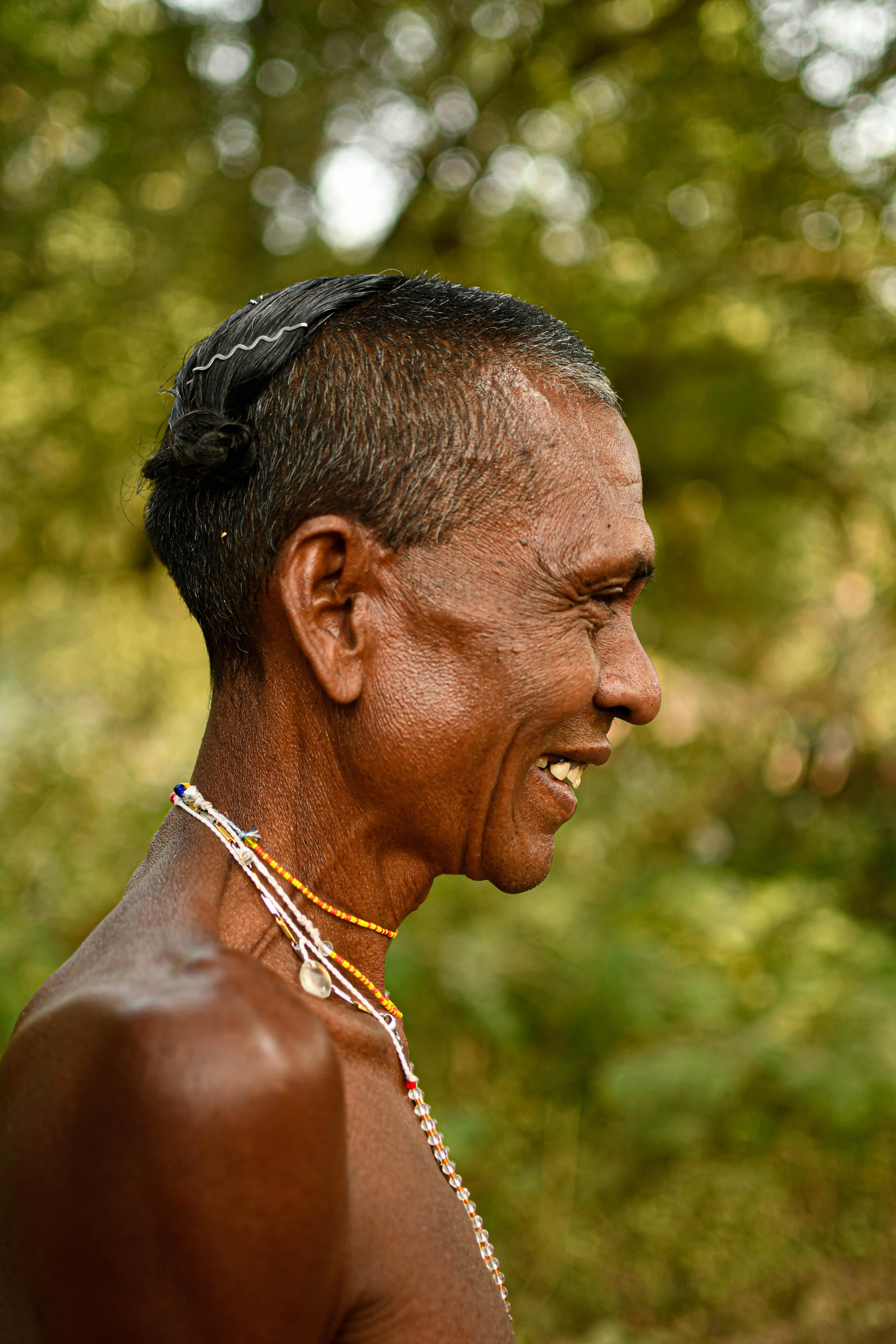
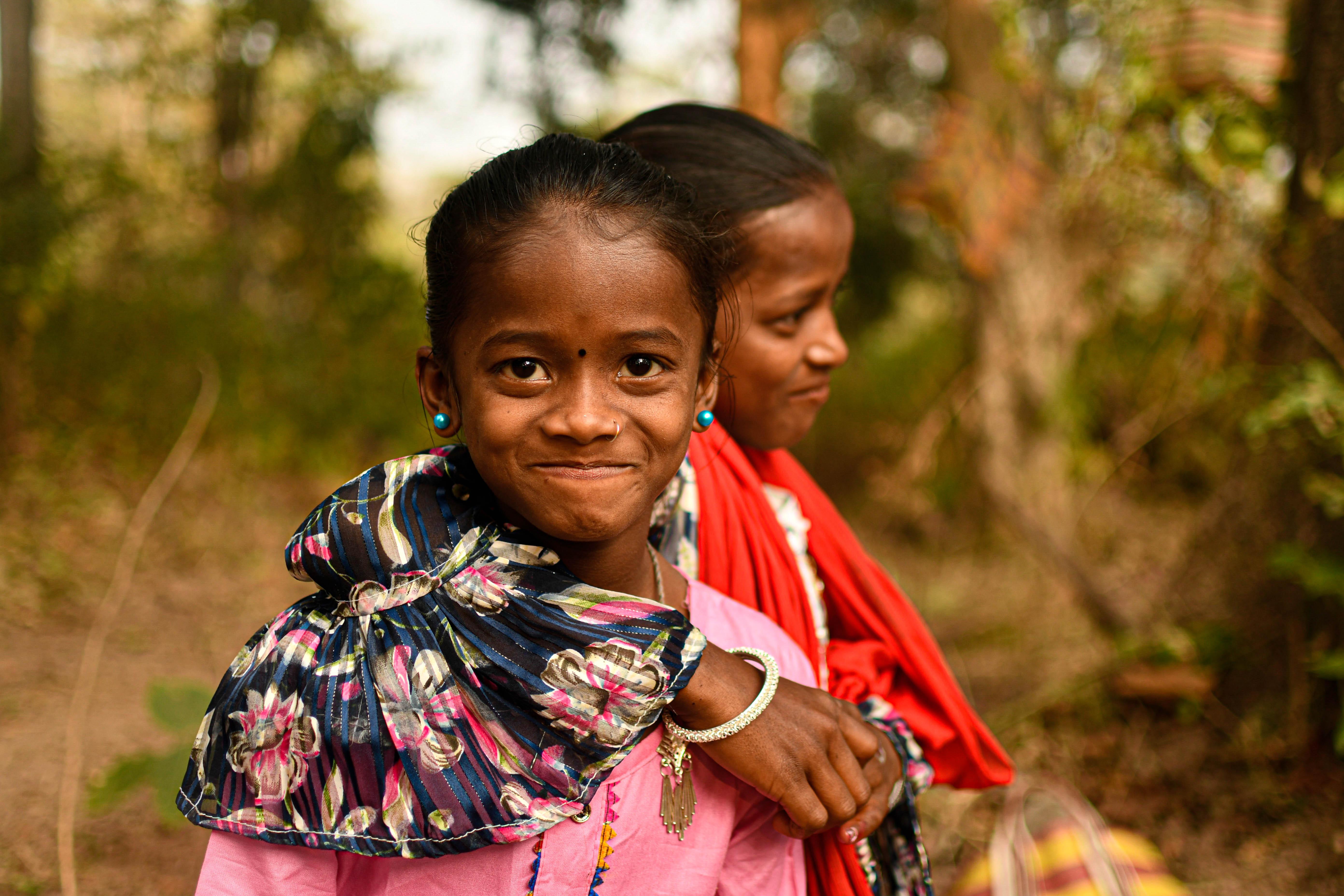
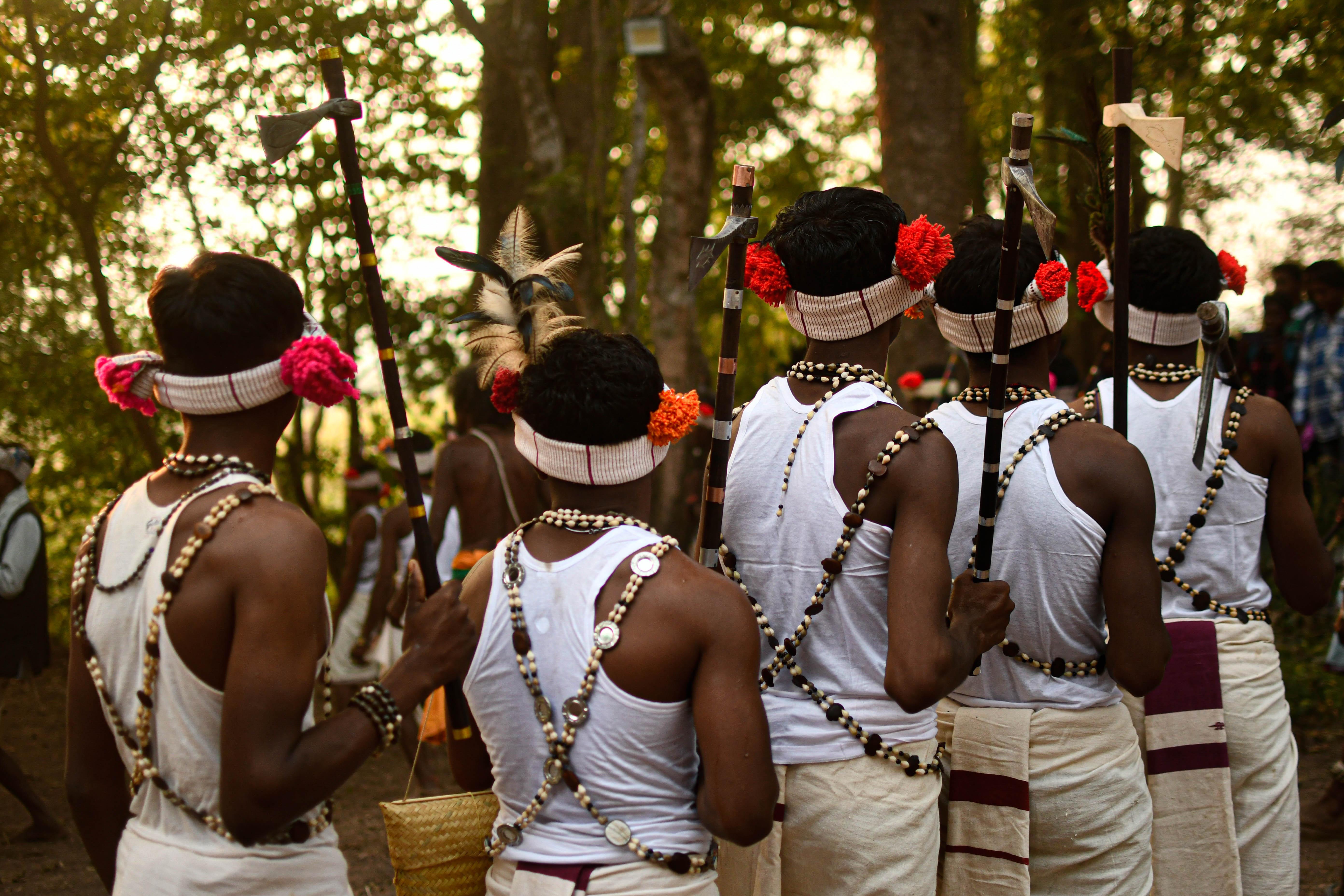
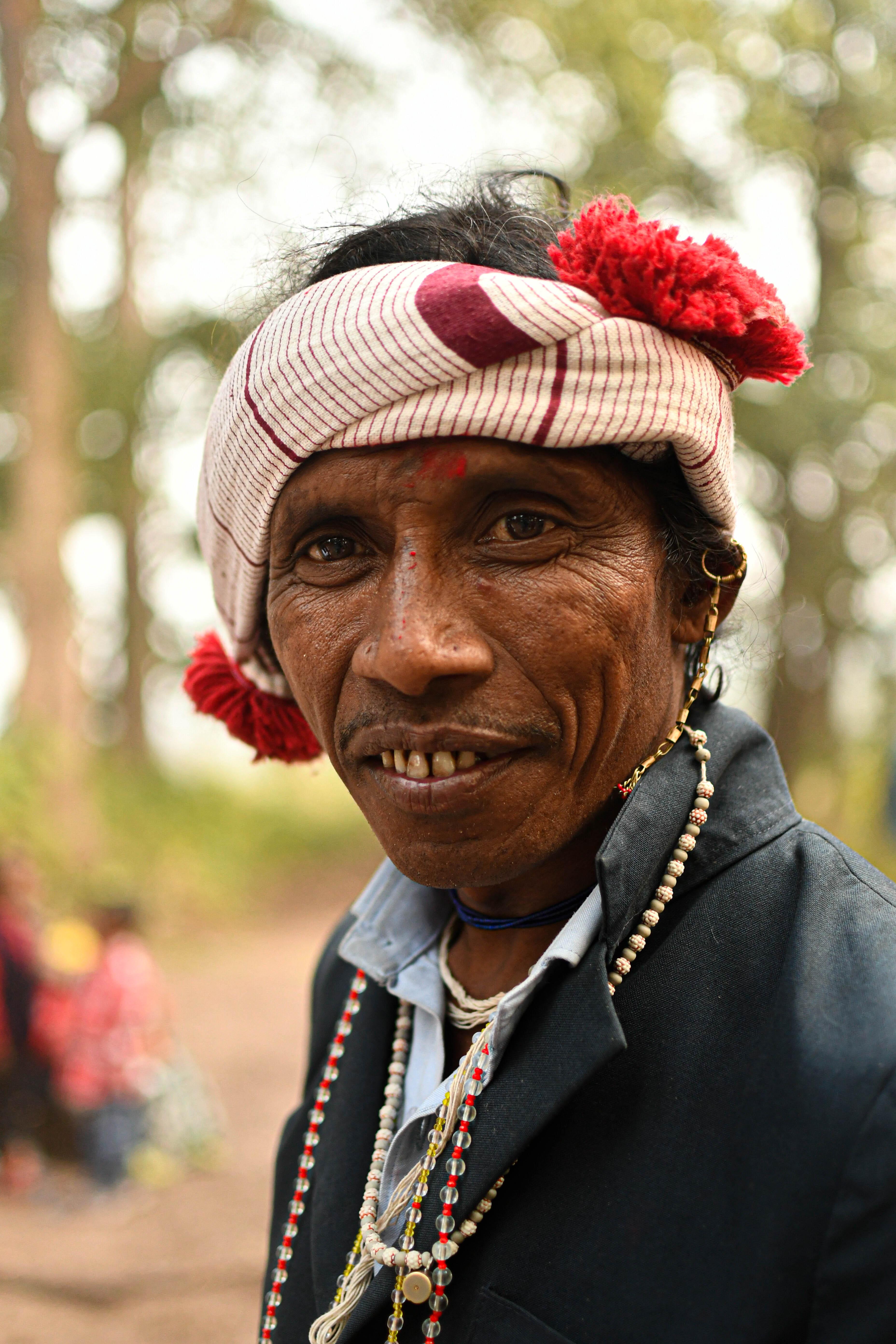
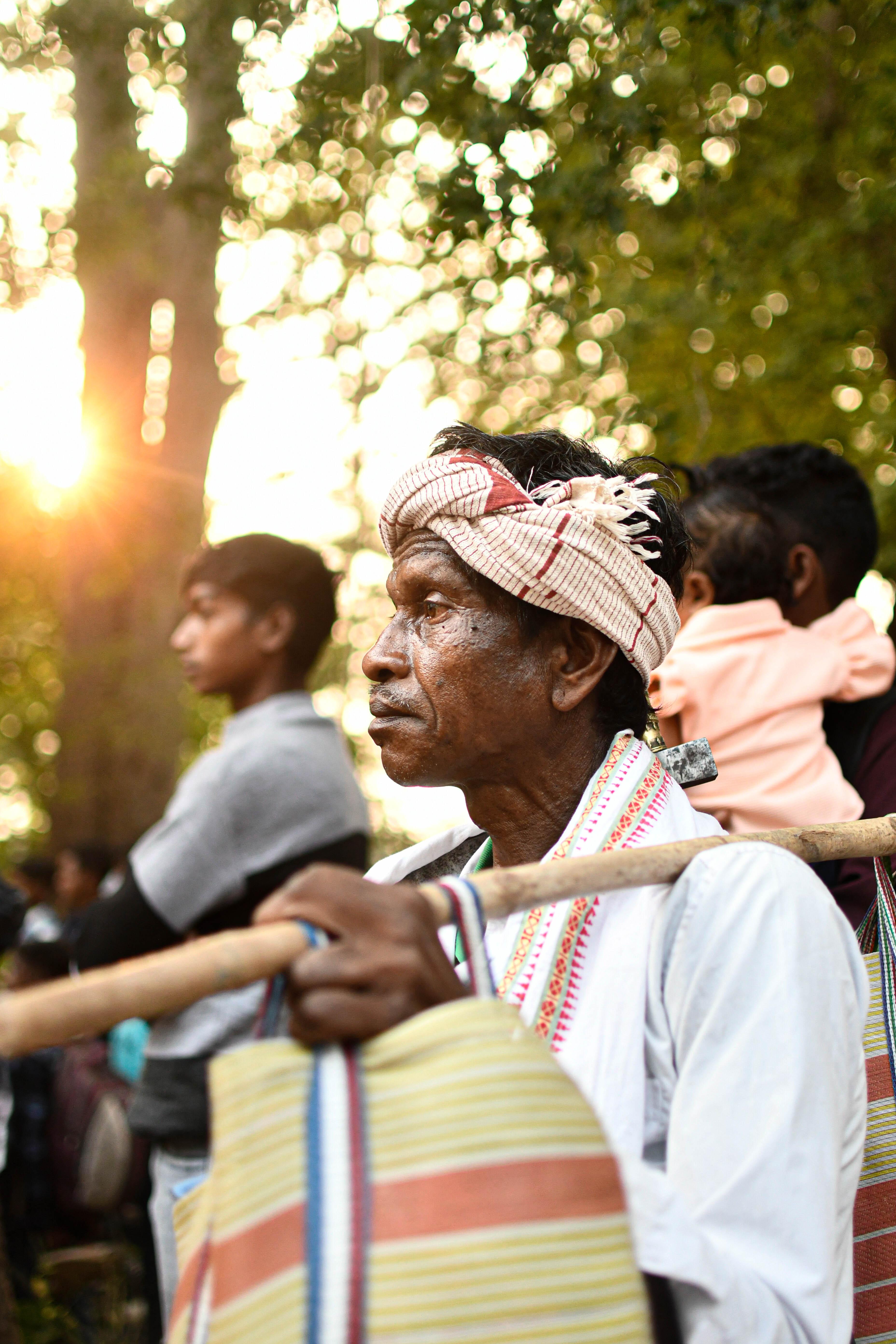
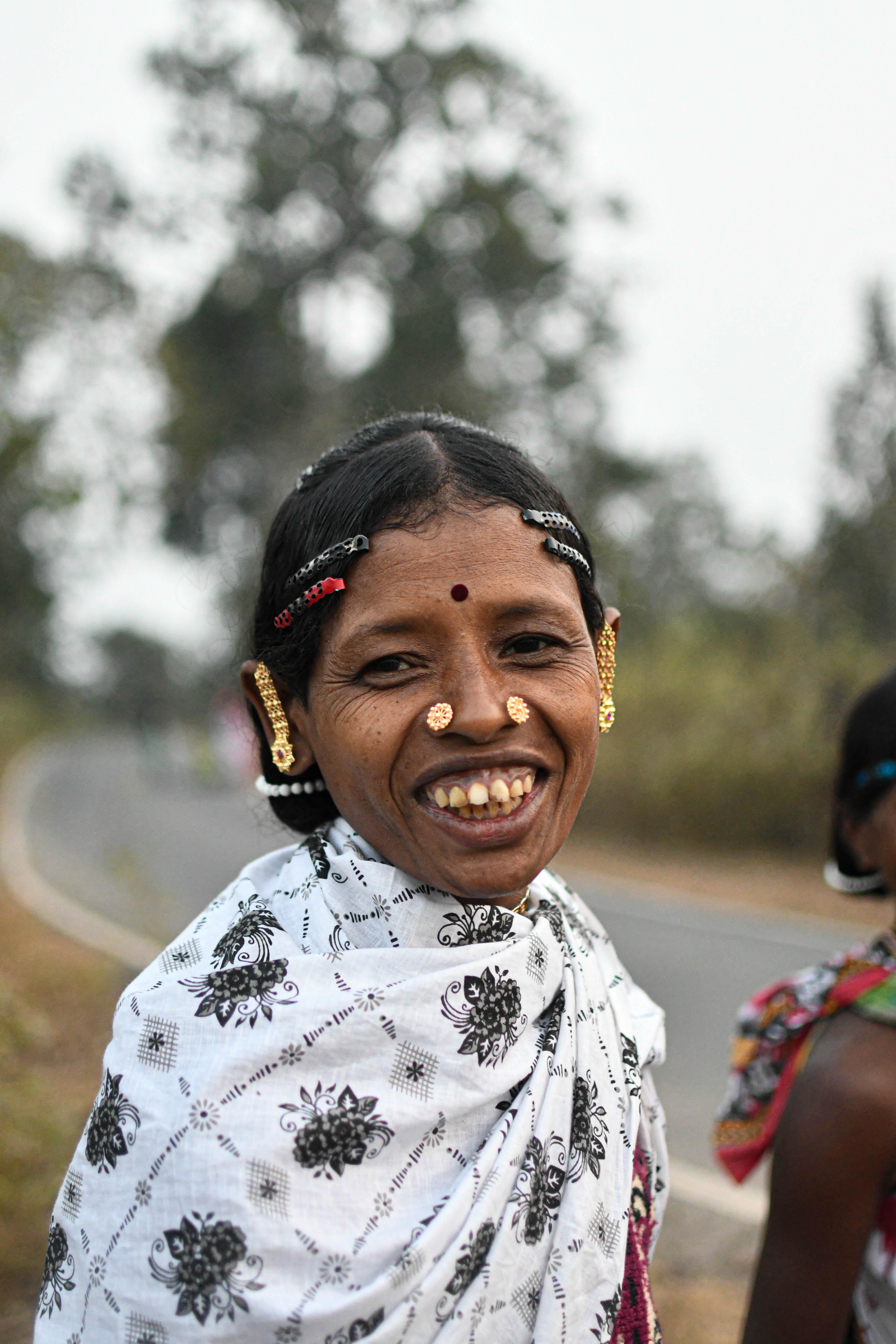
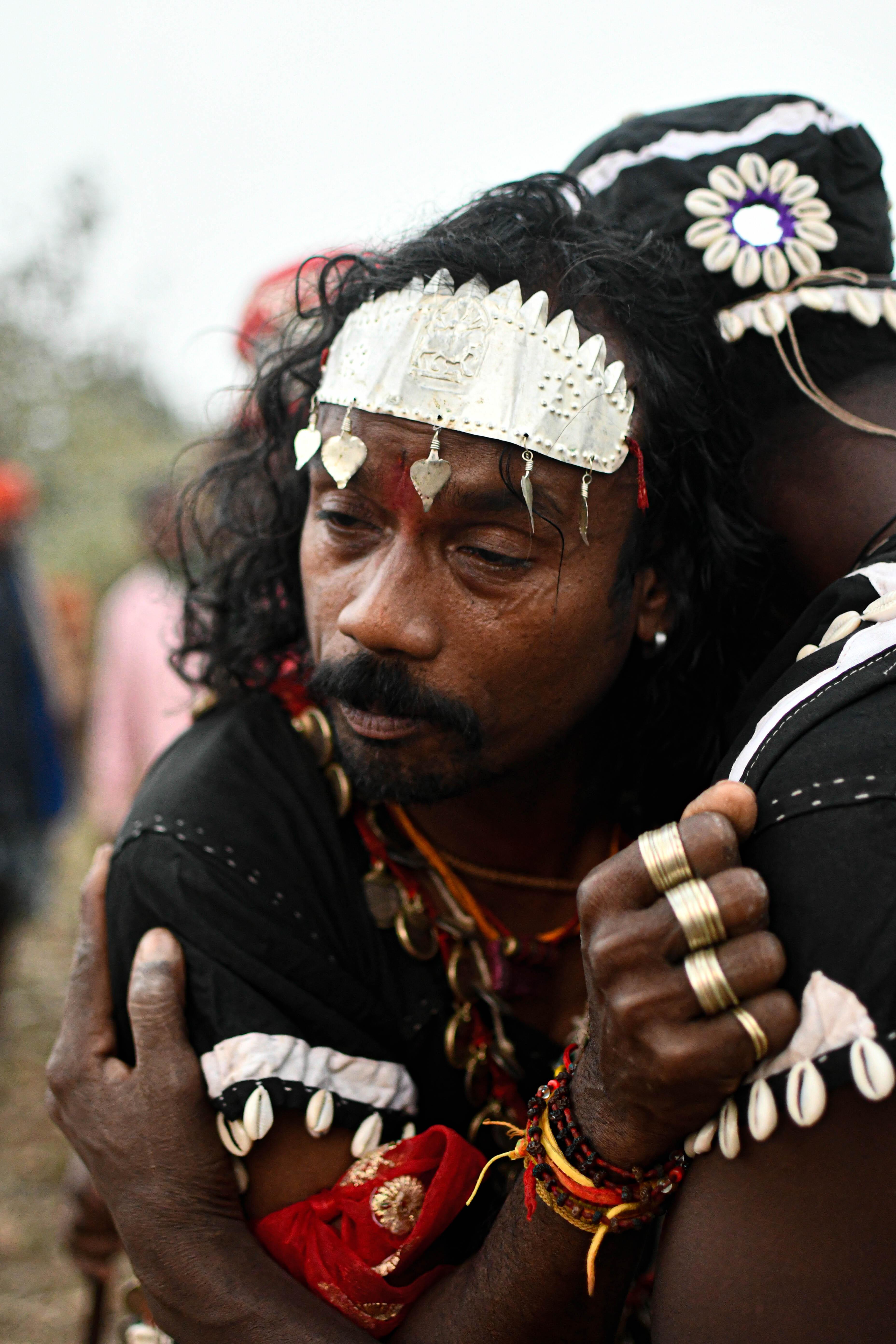
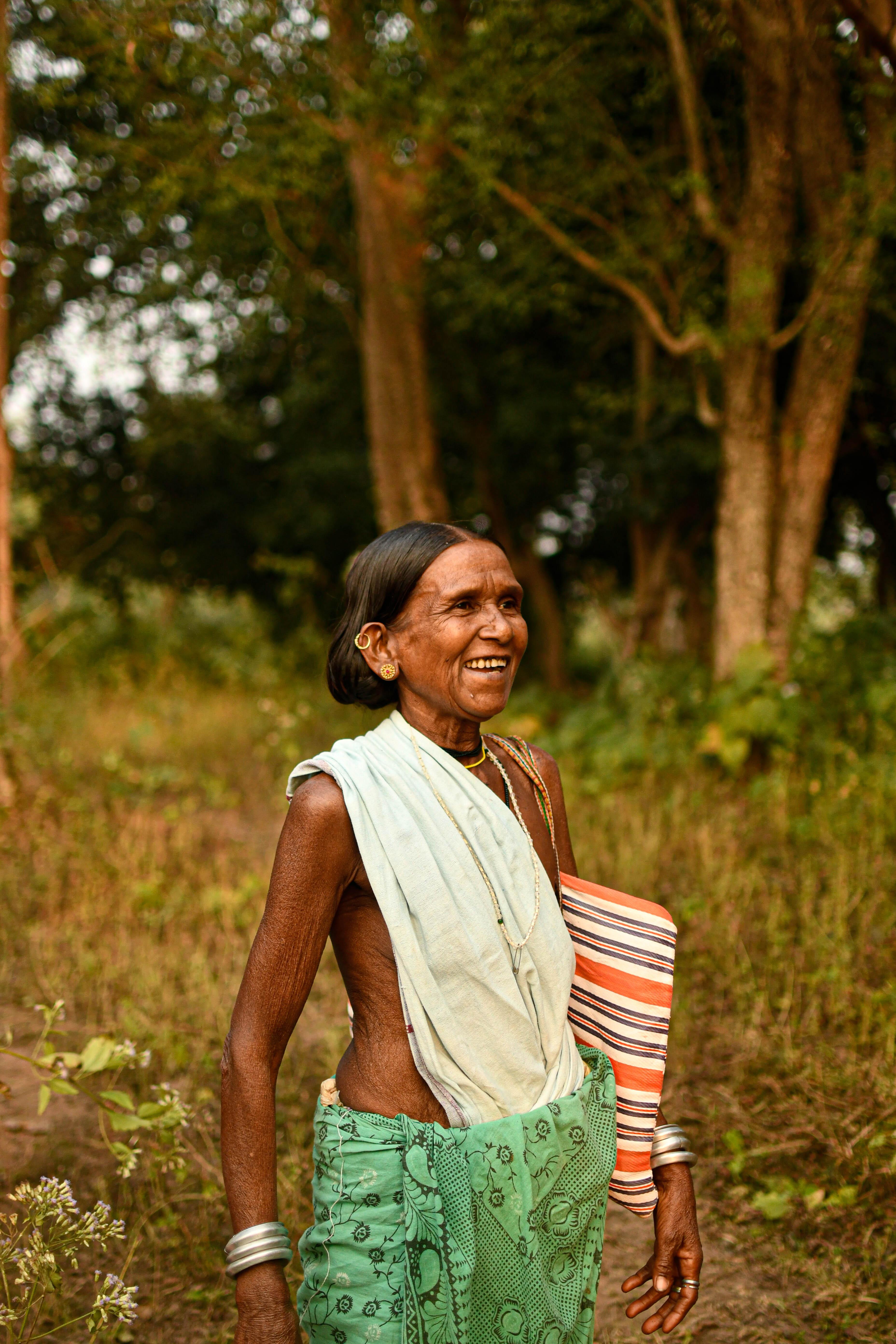
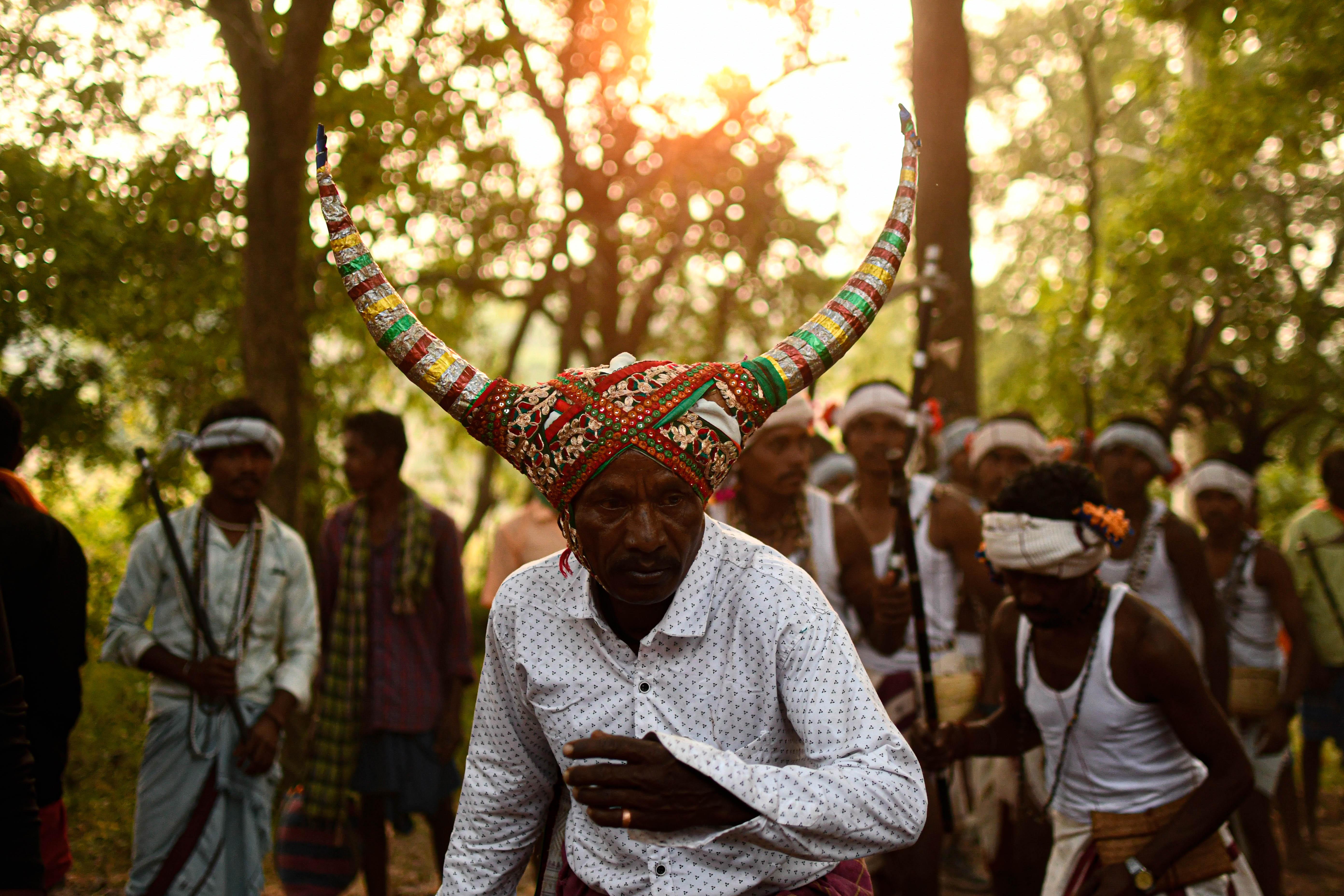
The Madai Mela is a travelling ritual through which the Adivasi communities of Bastar gather around moving village deities to renew faith, relationships and collective continuity. Netanar, a village located in Bijapur district of southern Chhattisgarh, on the forested edges of the Bastar region, hosts one of the earliest Madais of Bastar, marking the beginning of the region’s annual Madai cycle. During the Netanar Madai, village deities from surrounding areas arrive in procession, carried on wooden platforms and accompanied by continuous drumming. Here, the festival unfolds through drums, trance, dance and night-long rituals, as Adivasi communities gather to seek protection, good harvests and collective well-being. Unfortunately, Madai has often been viewed as a spectacle by those outside the community, such as tourists, photographers, cultural documentation projects and, at times, even state-sponsored narratives that foreground colour, trance and excess. Seen through this lens, the festival is aestheticised as performance rather than understood as obligation, belief and social process. This framing tends to detach Madai from its agricultural rhythms, spiritual responsibilities and inter-village relationships, flattening a living ritual into an event to be consumed. However, for those who participate in it, Madai is not staged or performed; it is a necessary act of continuity through which memory, movement and community are sustained.
This year in Netanar, the ceremonial king of Bastar, Maharaj Kamal Chandra Bhanj Deo, was also present at the Madai Mela, underscoring its regional importance. The king holds a ritual and symbolic role rather than political power, historically regarded as a custodian of Bastar’s indigenous traditions, with a responsibility to uphold and participate in key Adivasi festivals such as the Madai, reinforcing continuity between royal lineage and living tribal belief systems.
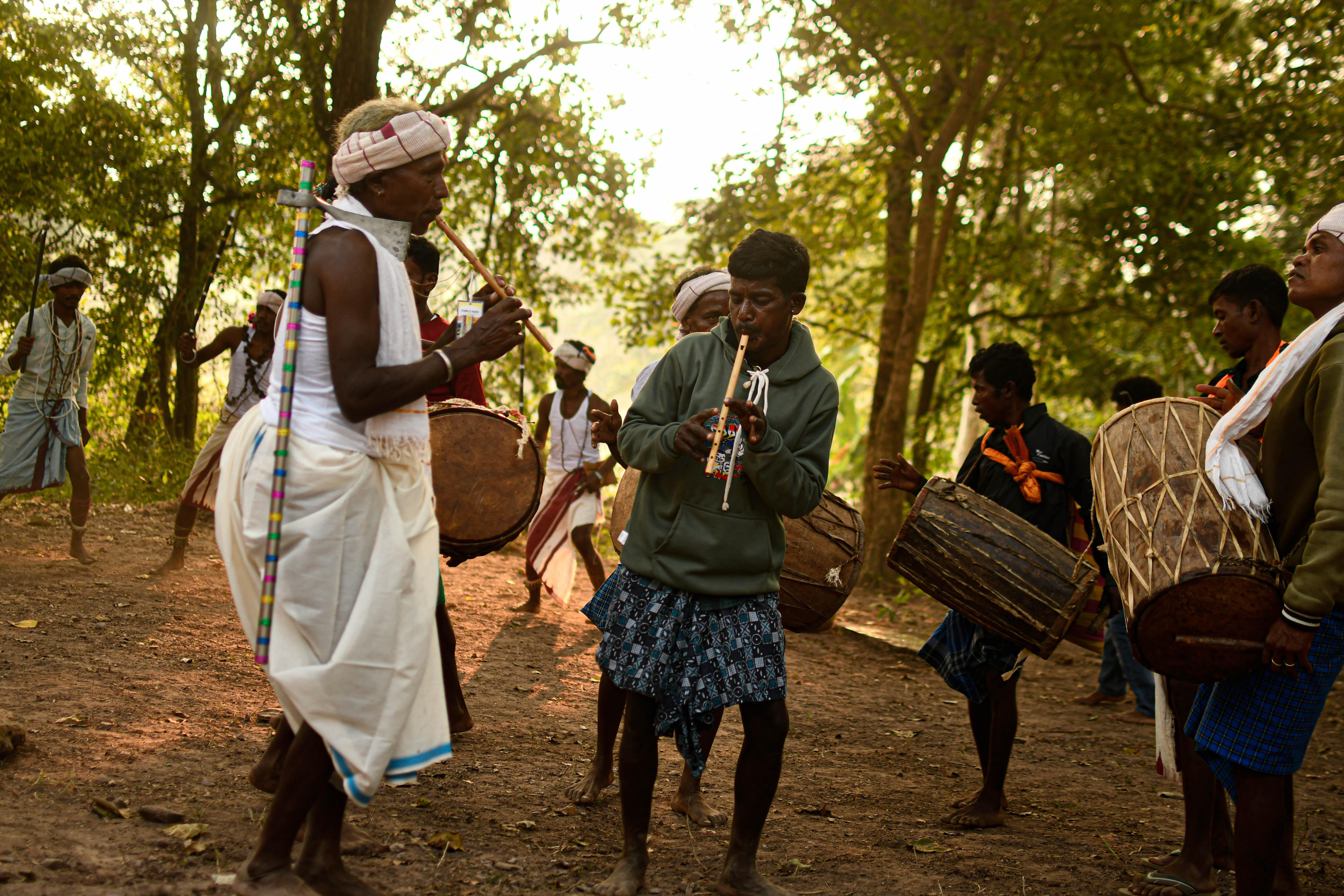
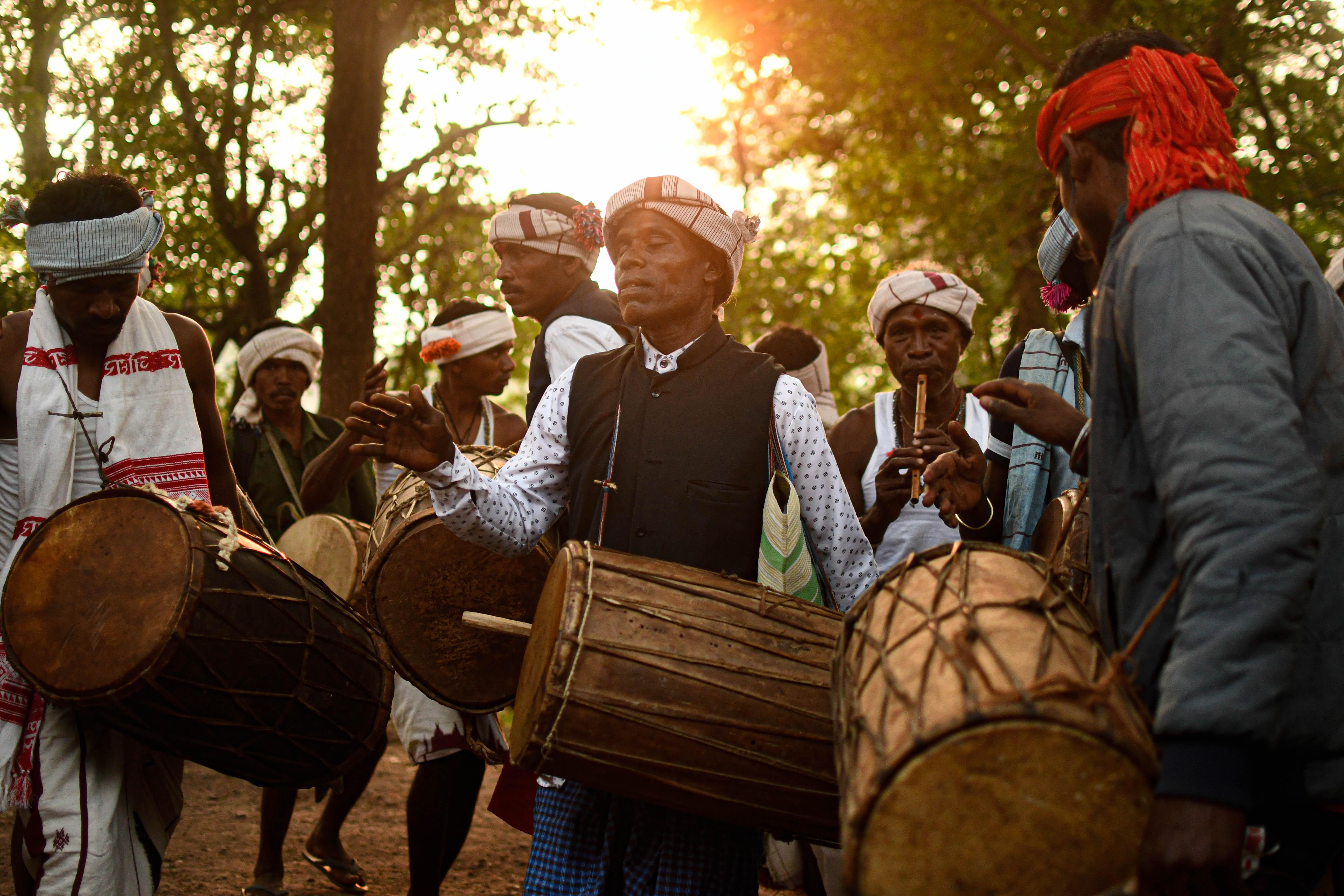
The village becomes a meeting ground for communities, priests, mediums and devotees. Rituals unfold through the day and continue late into the night, with moments of trance and possession believed to be times when the deity communicates with the people. Fire, torches and moonlight illuminate the ritual space as traditional percussion instruments like the mandaar, nagada, and dhol drums set the rhythm of the gathering—the mandaar is a double-sided hand-played drum, the nagada a large kettle drum struck with sticks, and the dhol is a barrel-shaped drum that provides the driving rhythm of rituals and processions.
Offerings are made, sacrifices performed and collective prayers offered for protection, health, rain and good harvests. Alongside the rituals, a modest mela (fair) takes shape, with food stalls and everyday objects, creating a space where the sacred and social exist together.
In the contemporary moment, these rituals remain vital for the people of Bastar, not as remnants of the past but as living practices through which community, belief, livelihood and identity continue to be renewed and sustained. For the people of Bastar, the Netanar Madai is not merely a festival but a point of departure; a ritual beginning that activates the movement of deities, people and beliefs across the region. Rooted in Adivasi traditions, it is a living practice of faith, memory and continuity.
To learn more about different representations of Adivasi lives in Chhattisgarh and Jharkhand, read Sakhi Subramaniam Chowla’s curated album of the Diyaari festival, Nikita Jain’s documentation of protest sites in Bastar and Jigisha Bhattacharya’s reflections on Shishir Kumar Jha’s Dharti Latar Horo (2022).
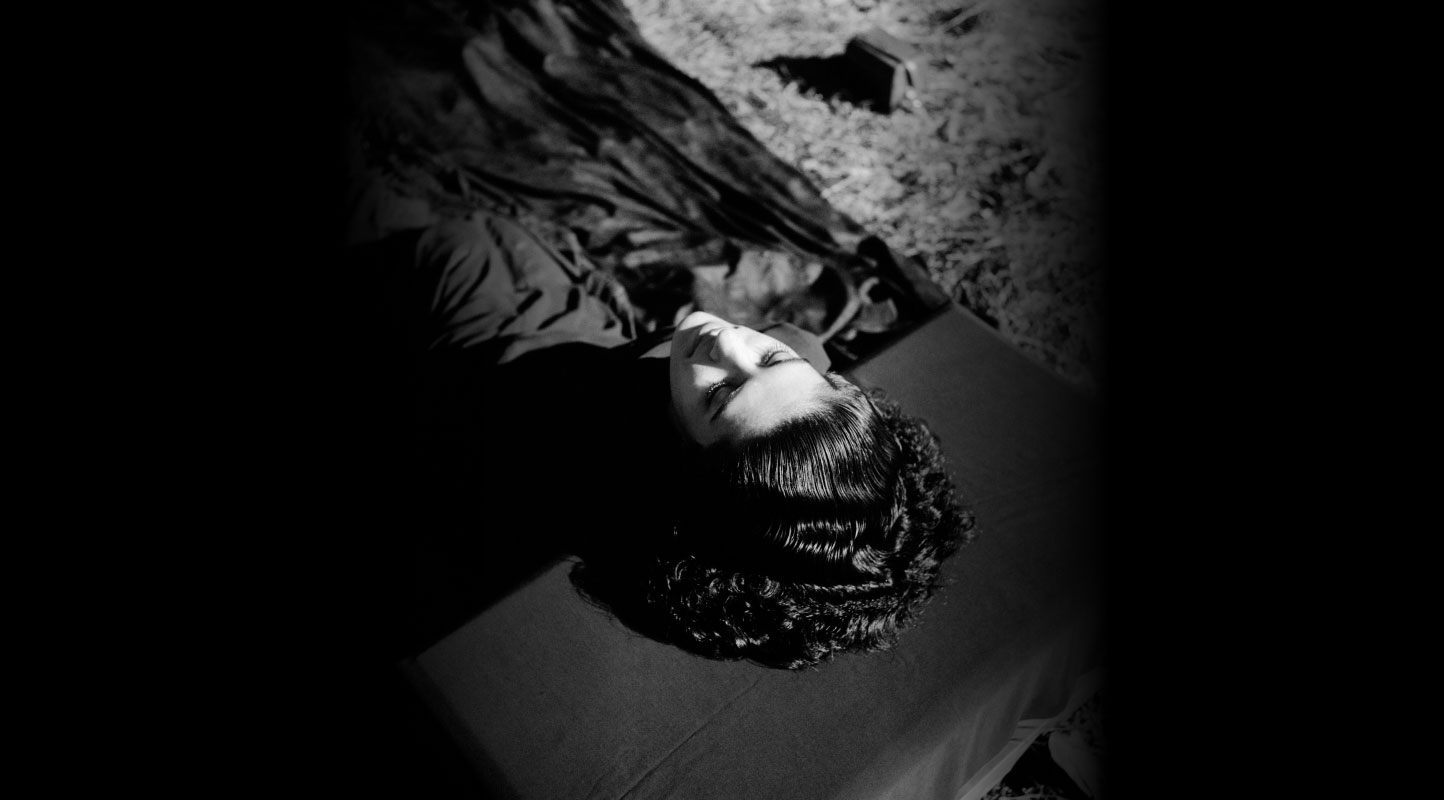
All images from In the Forests of Bastar (2026–ongoing) by Sakhi Subramaniam Chowla. Images courtesy of the artist.
Click on the image to view the album