

Children of the Snowy Peak: Kunga Tashi Lepcha’s Elemental World
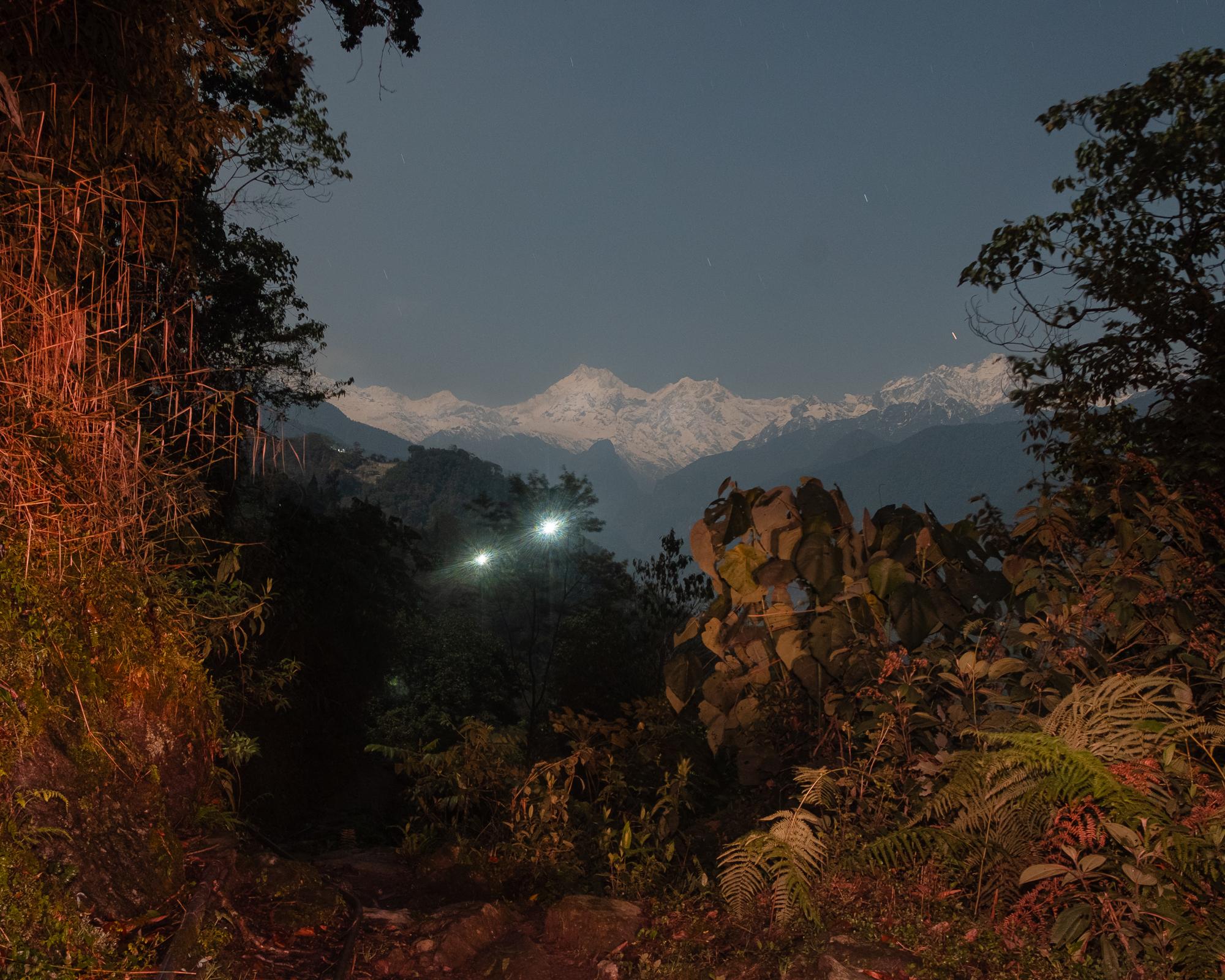
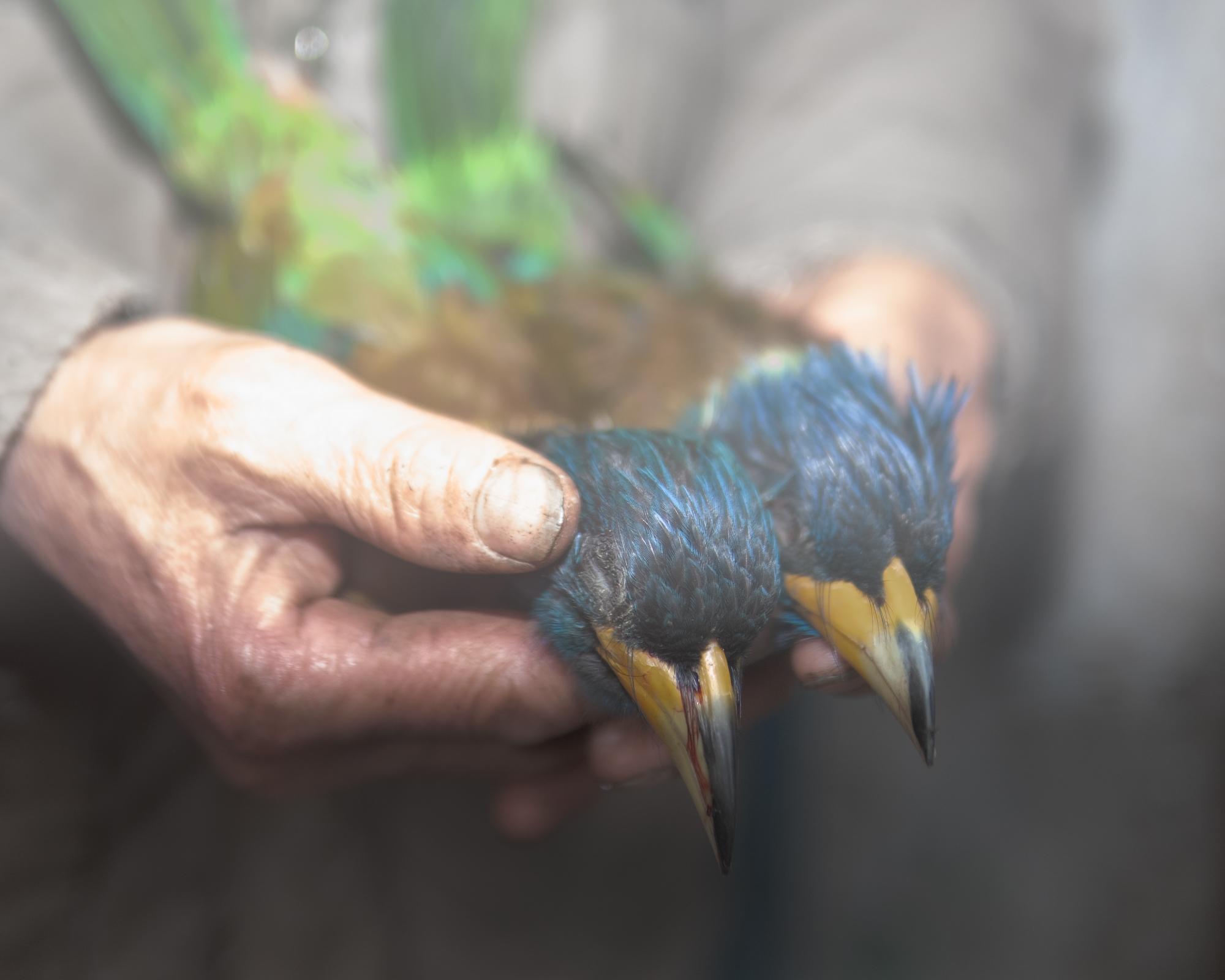
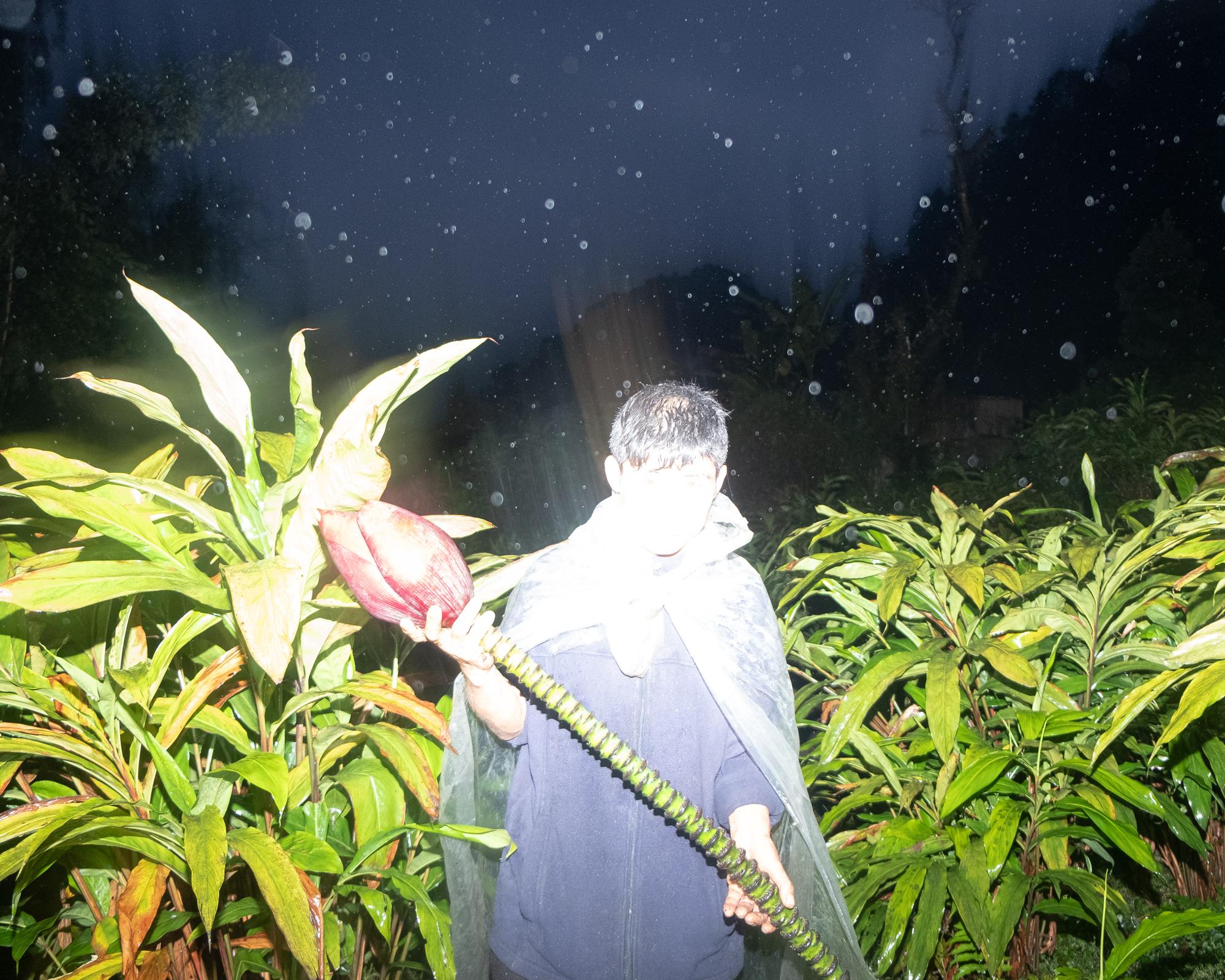
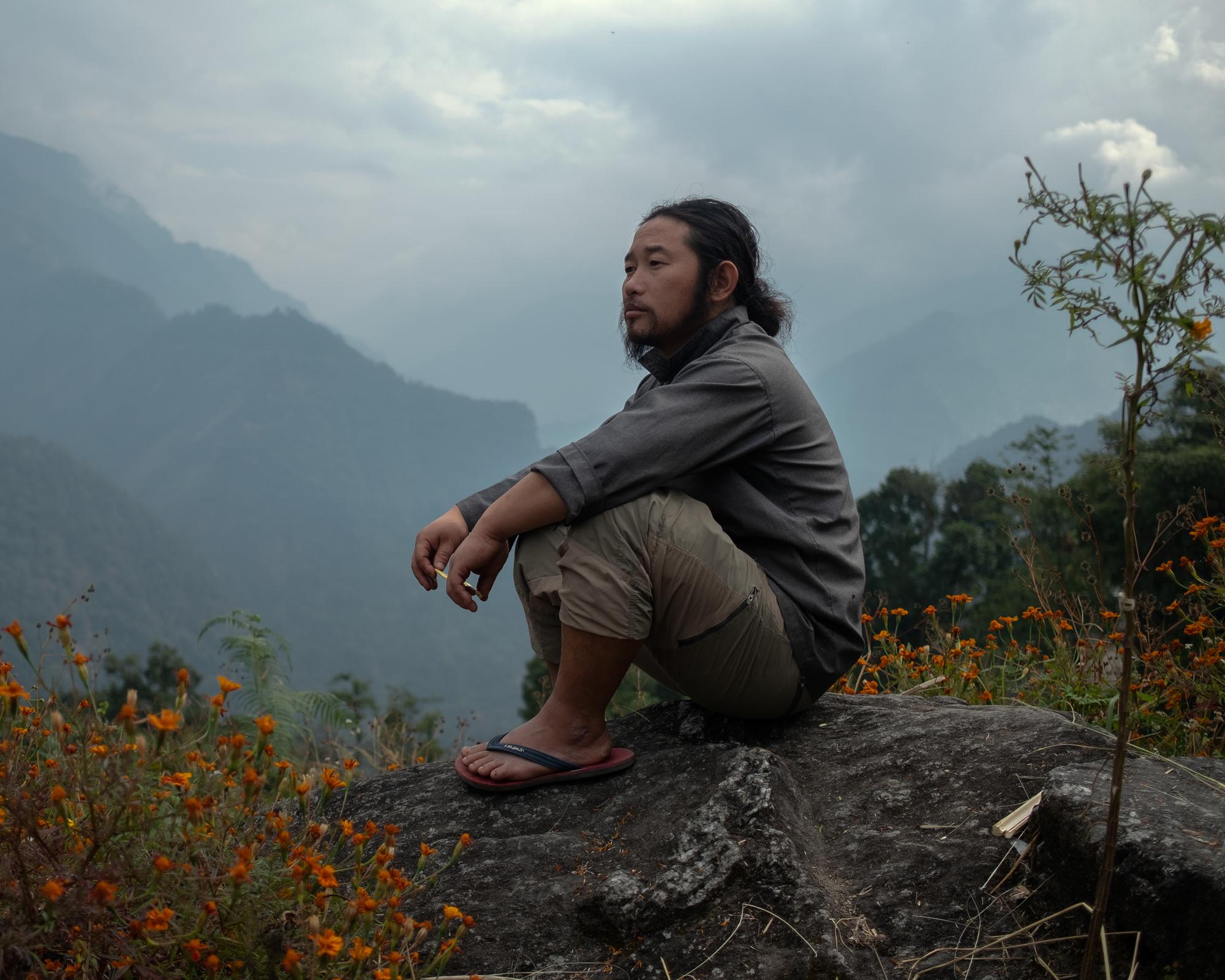
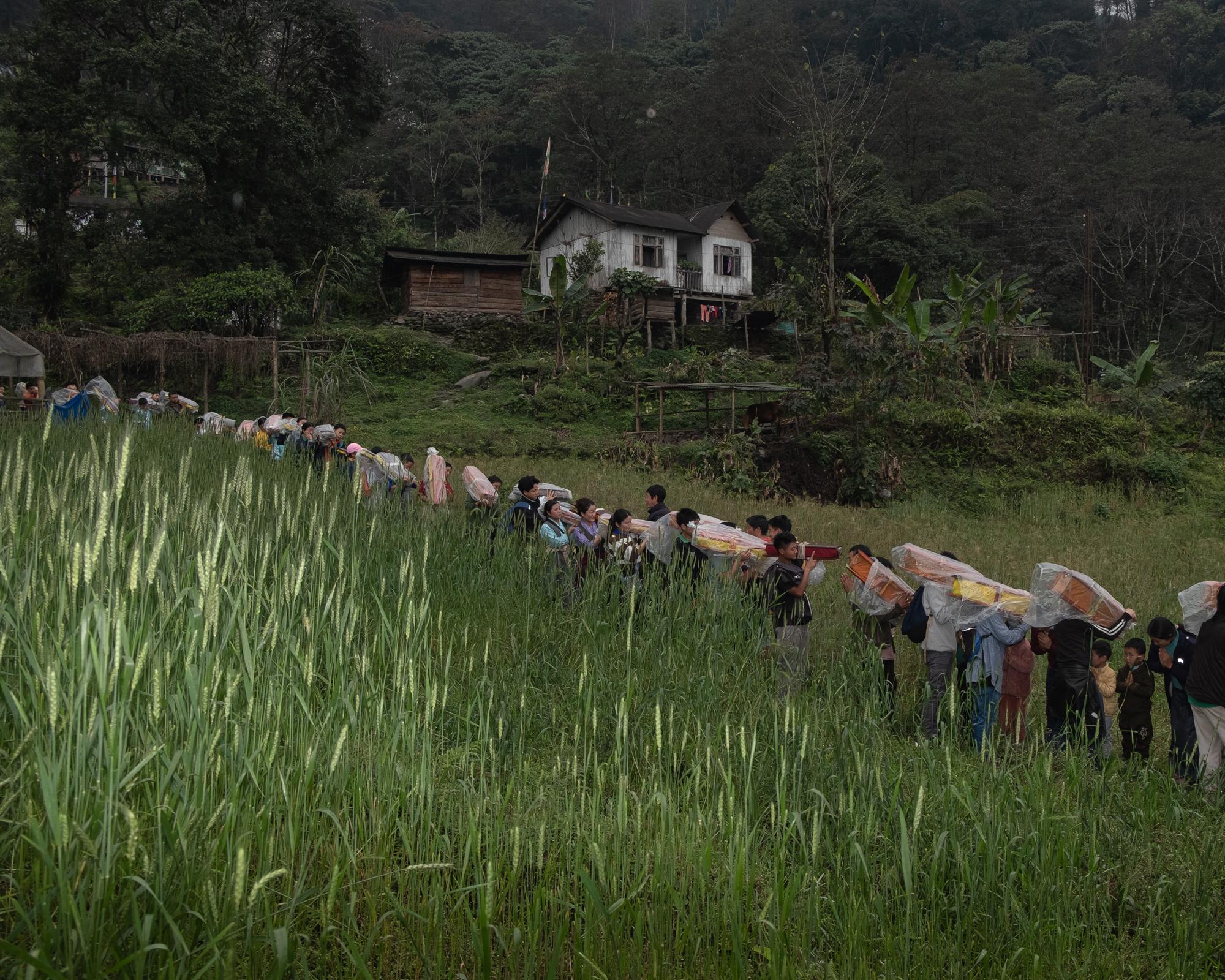
Kunga Tashi Lepcha's ongoing multimedia series Children of the Snowy Peak (2019–) invites viewers into a sensorial world of the Himalayas. On display at the tenth edition of the Serendipity Arts Festival (SAF) from 12–21 December 2025, as part of the show Murmurations curated by Ravi Agarwal, the work seeks both, a re-imagination of the relationship with land and an act of reclamation through an assertion of Indigeneity as worldview. The experimental project arose from the artist’s “personal journey of rediscovery as an Indigenous Lepcha person returning home to Sikkim after years of distance and disconnection.” Chronicling life in the protected Dzongu Valley and along the Teesta River in Sikkim, Lepcha’s lens highlights how nature and myths co-exist and inform the community’s battle to protect their home.
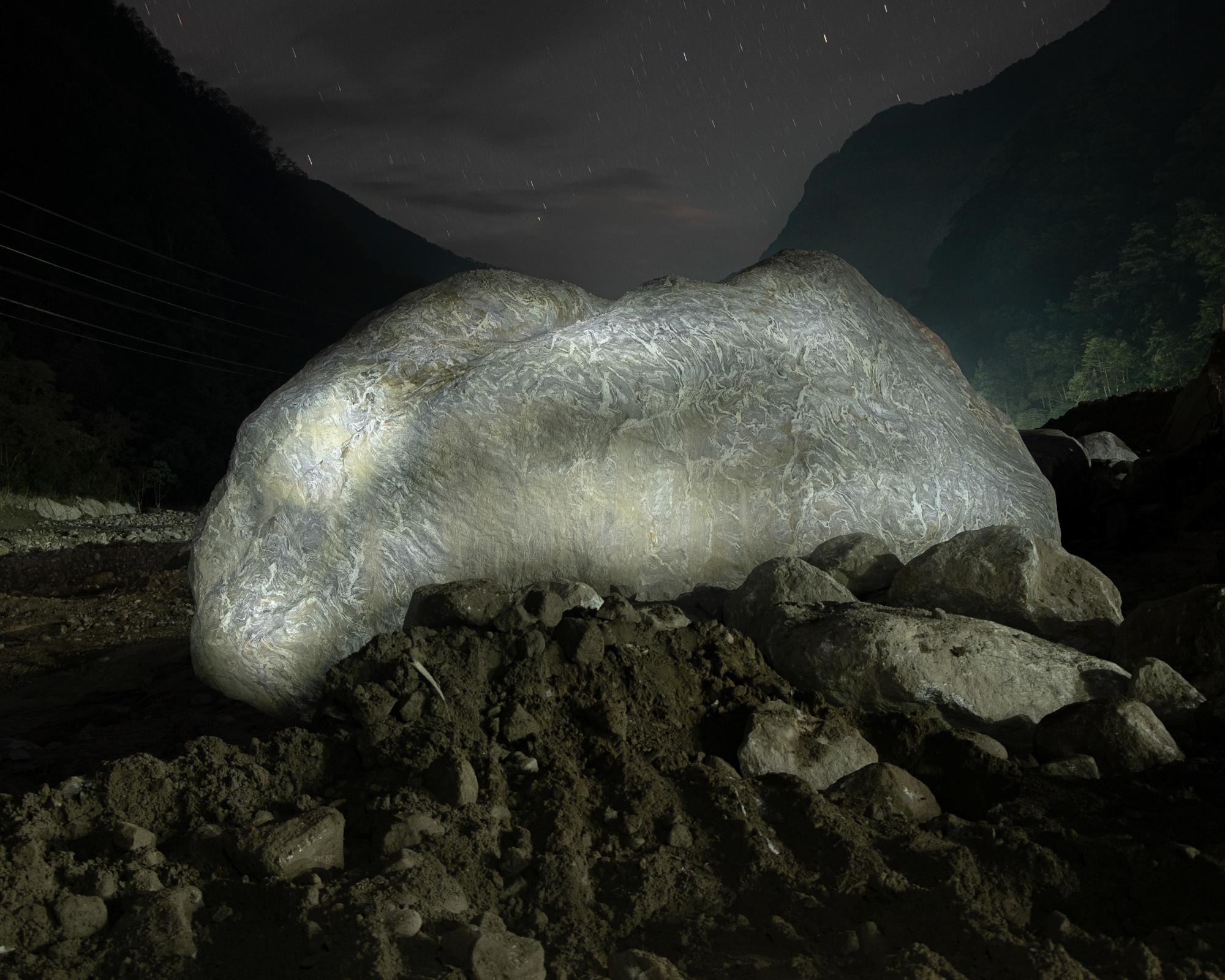
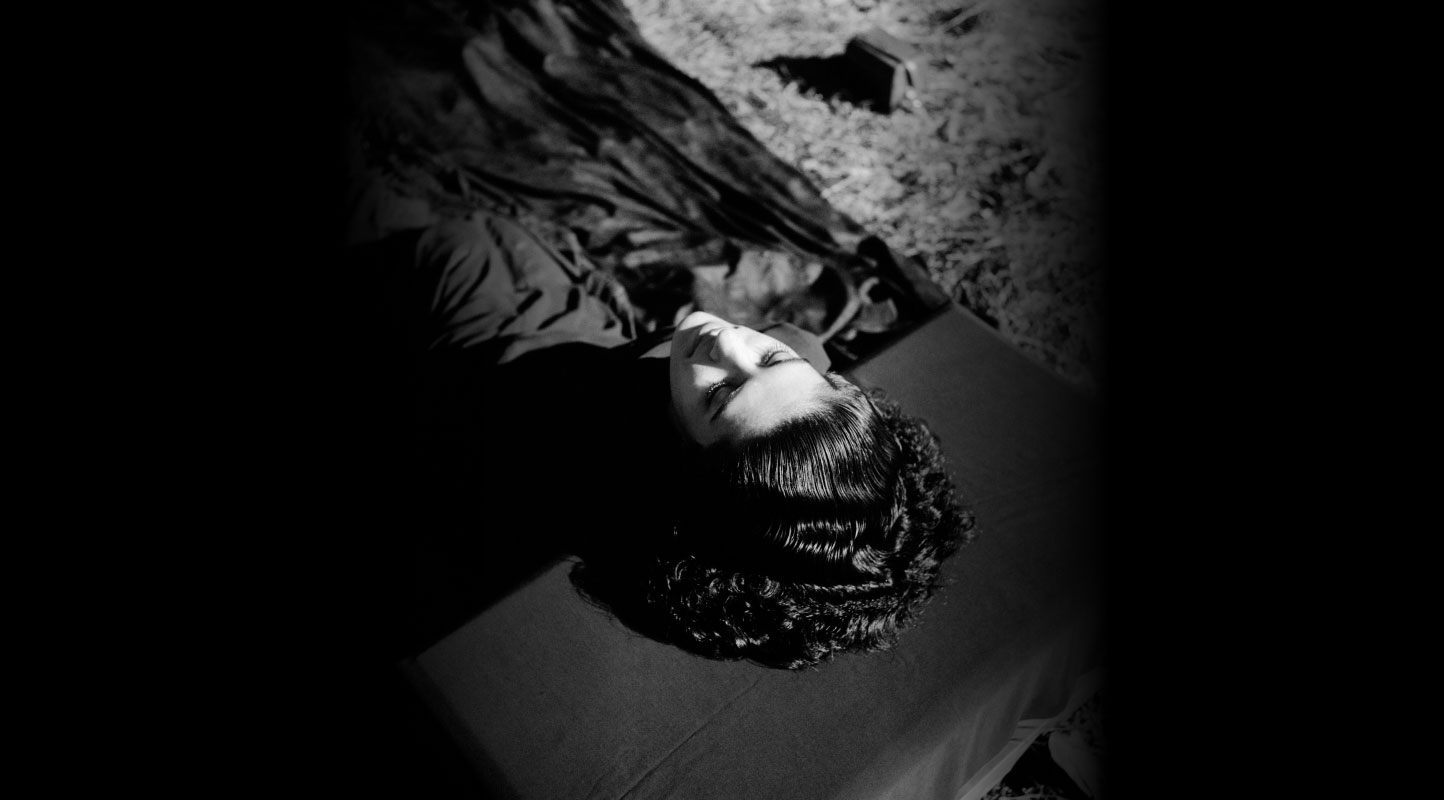
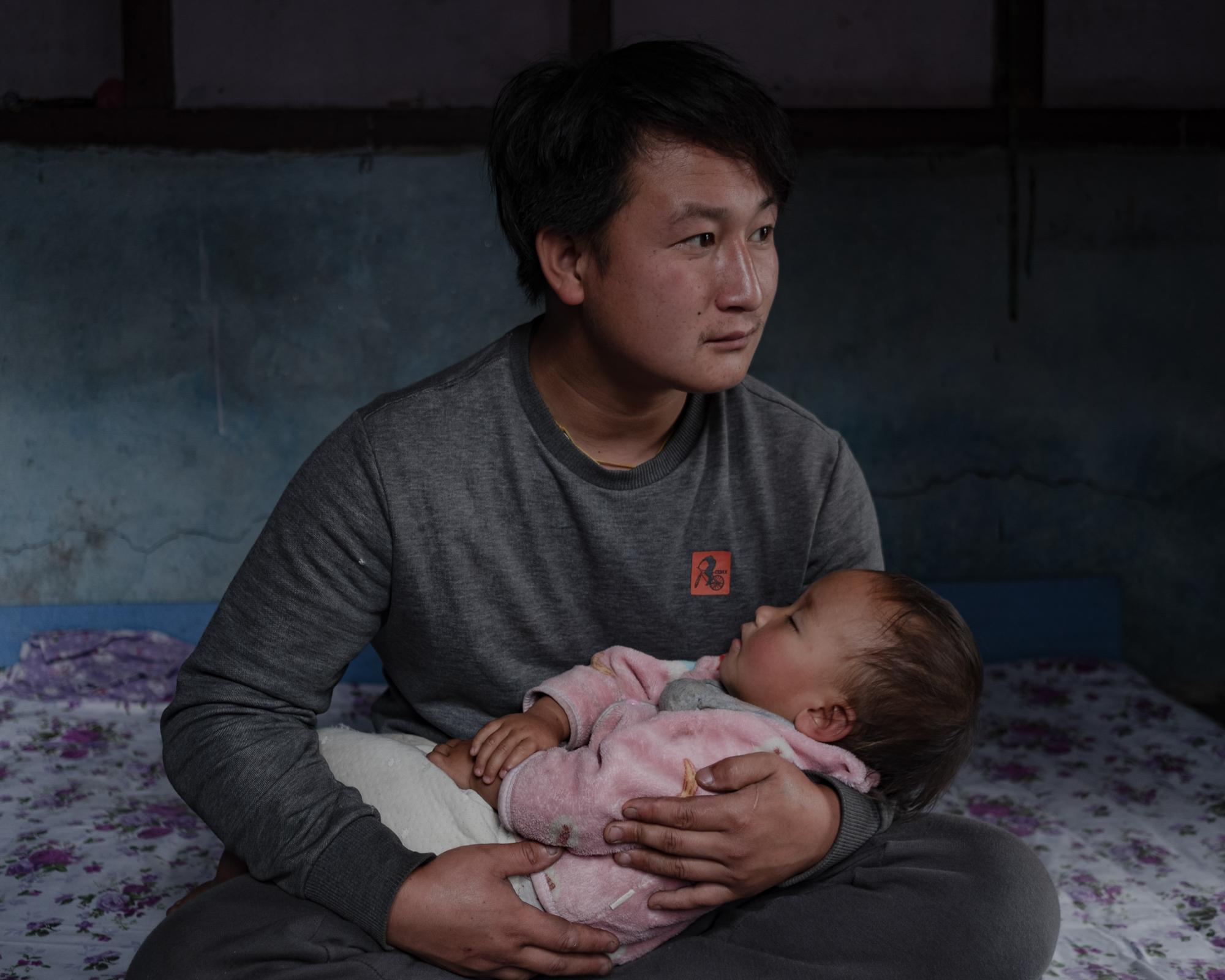
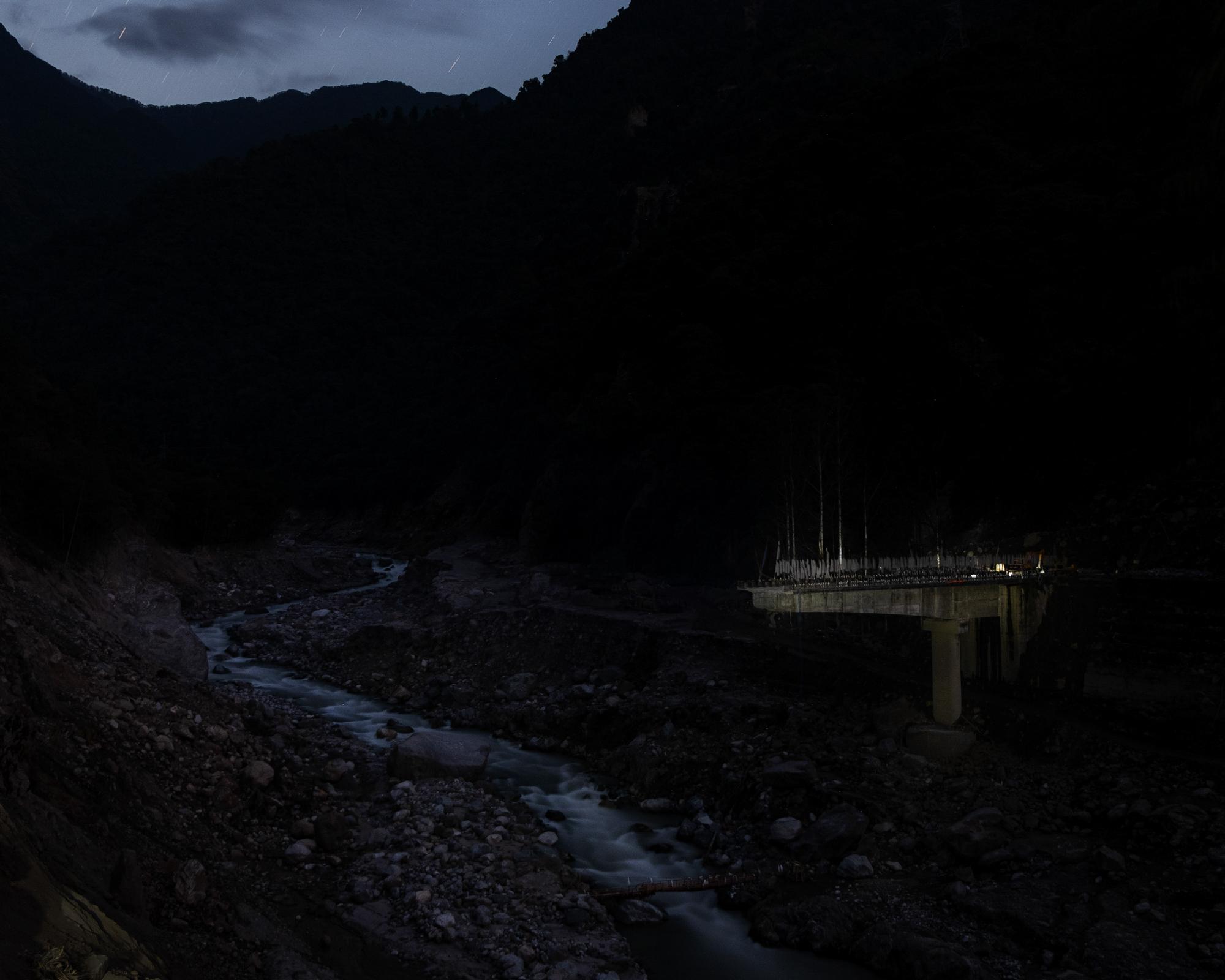
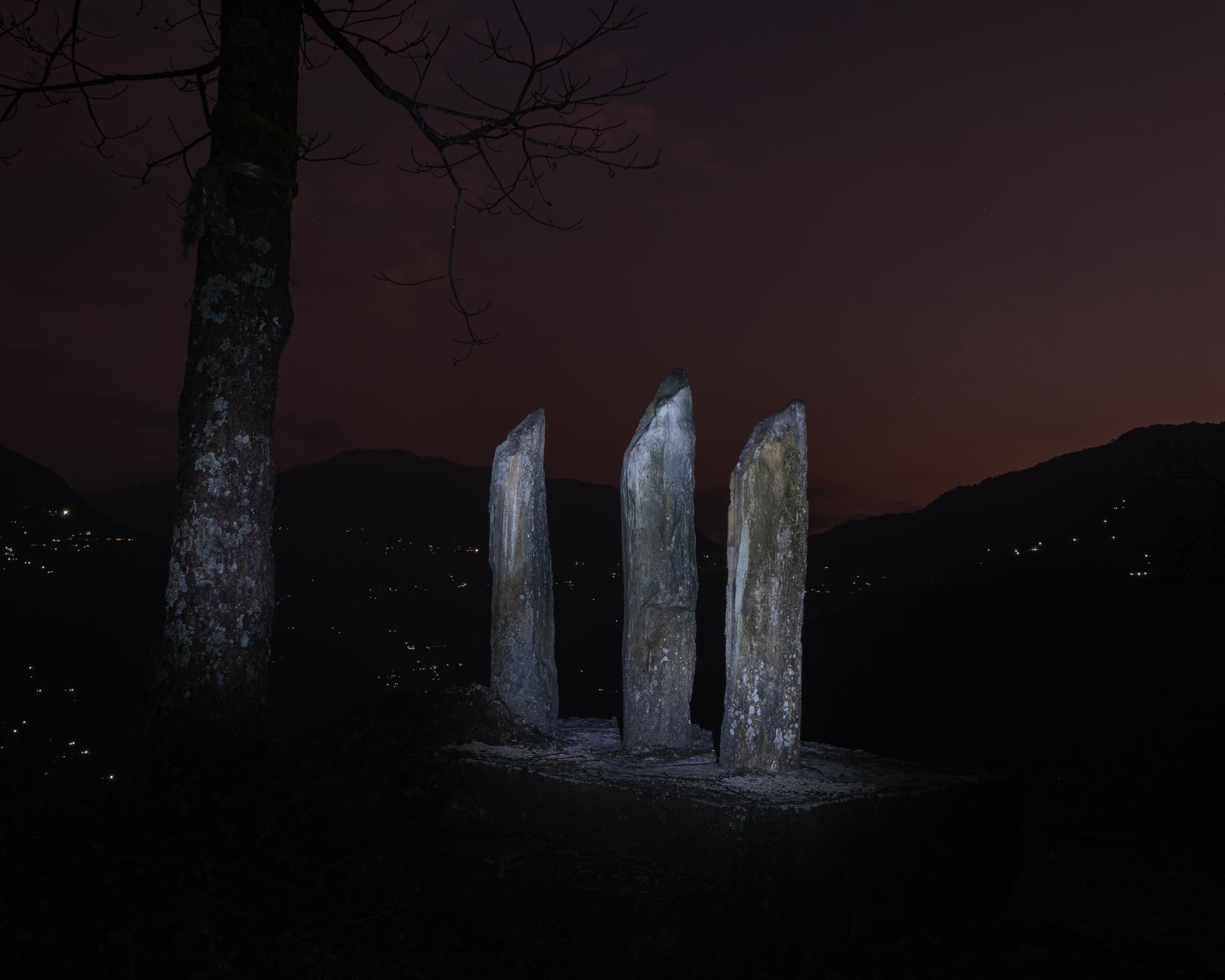
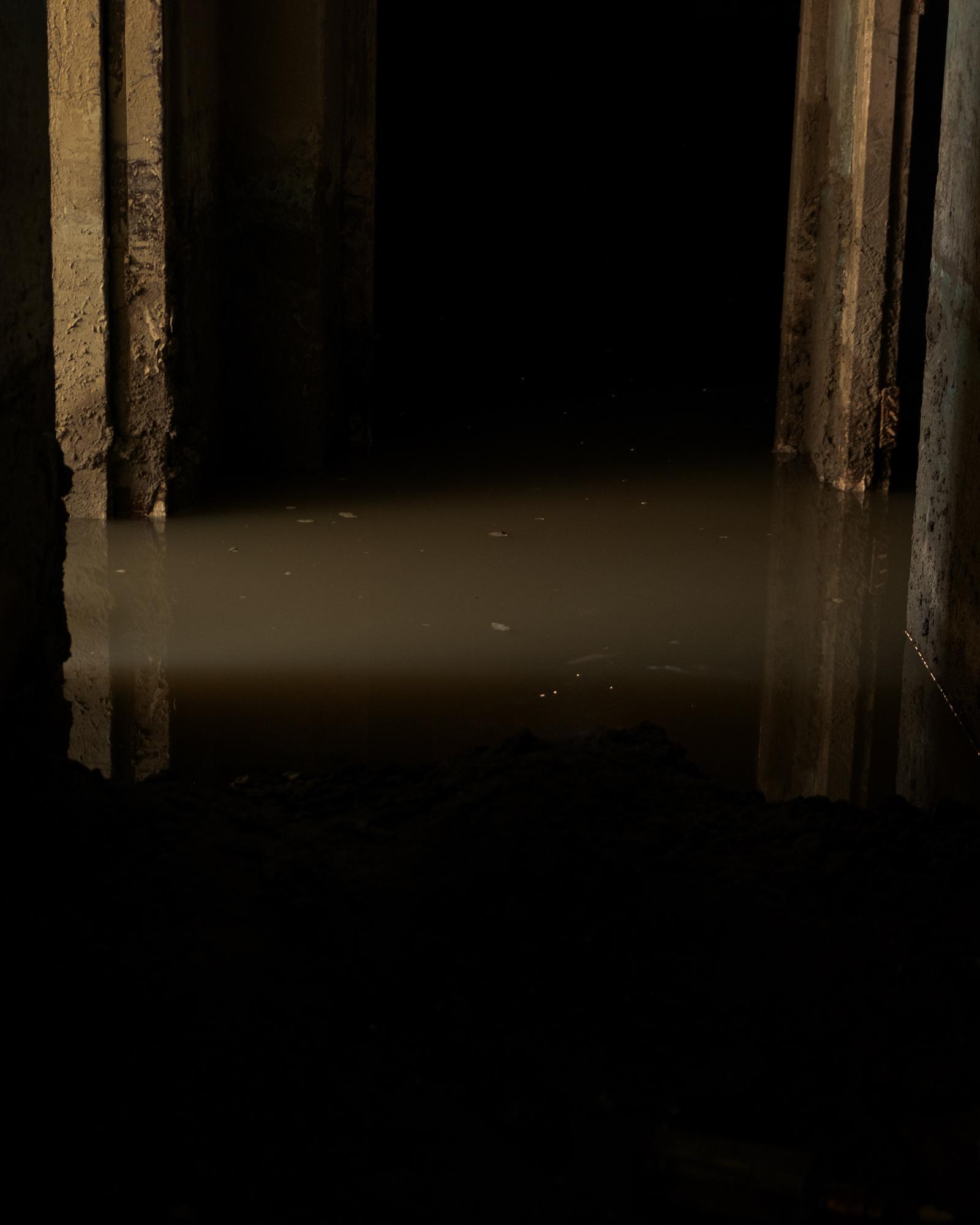
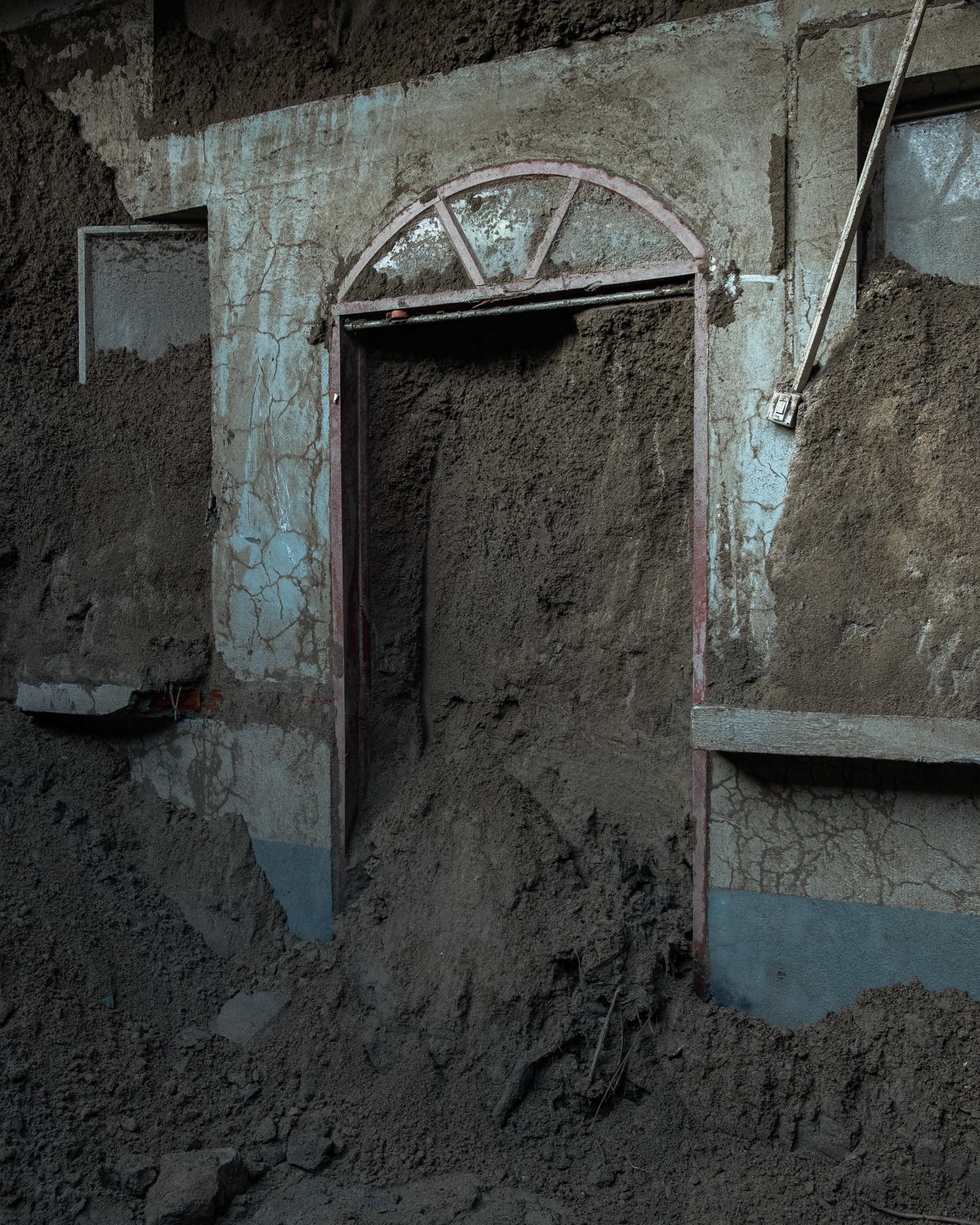
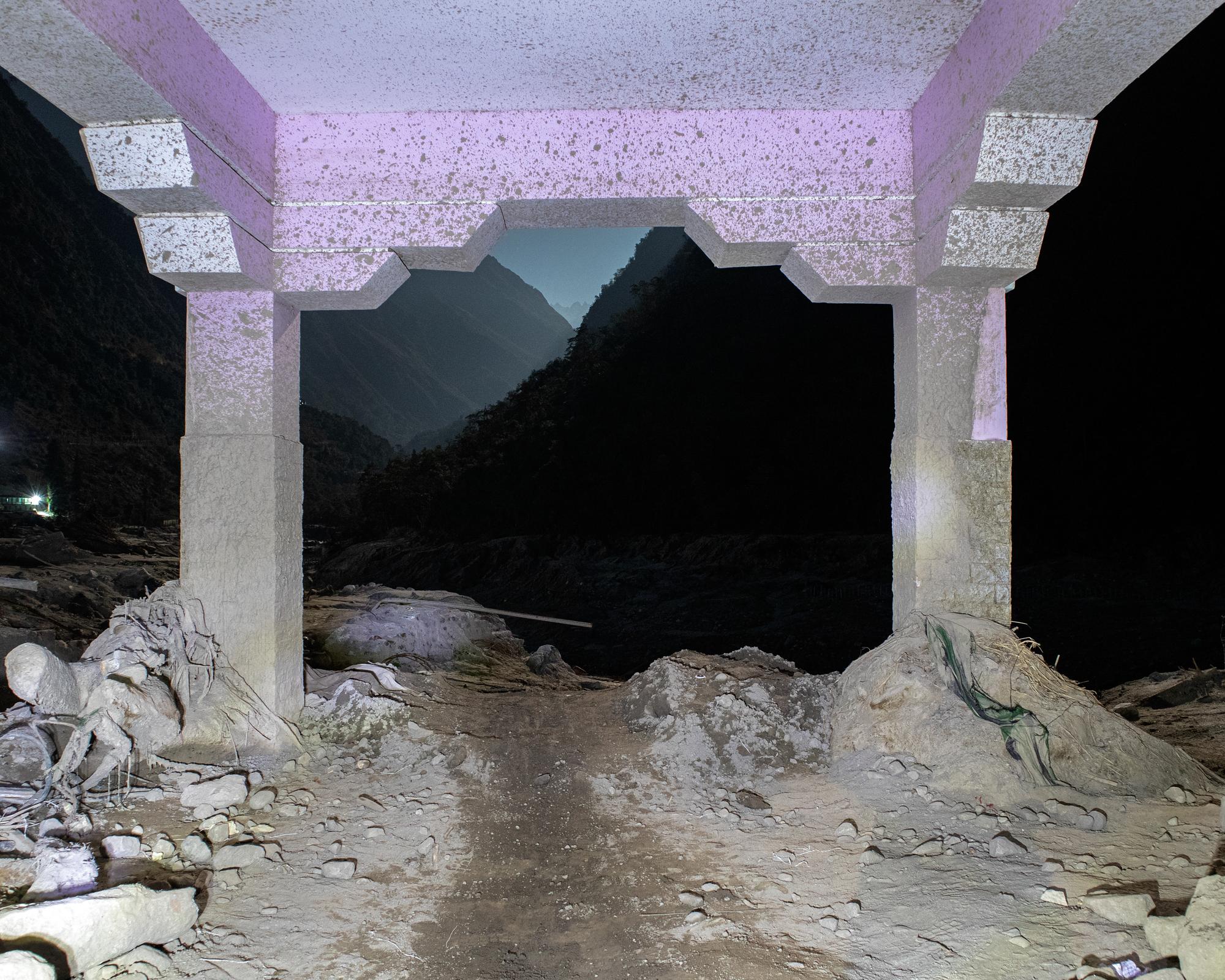
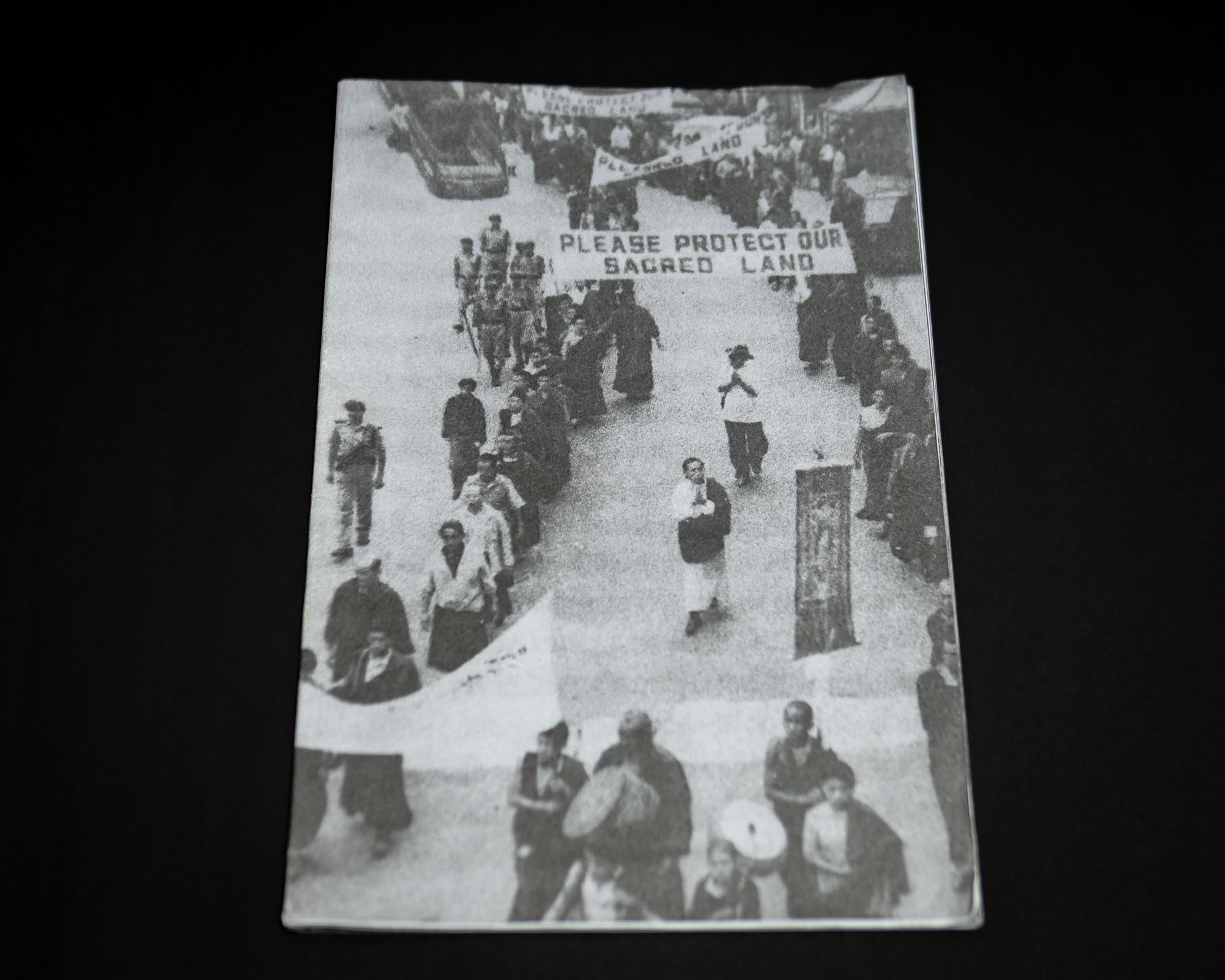
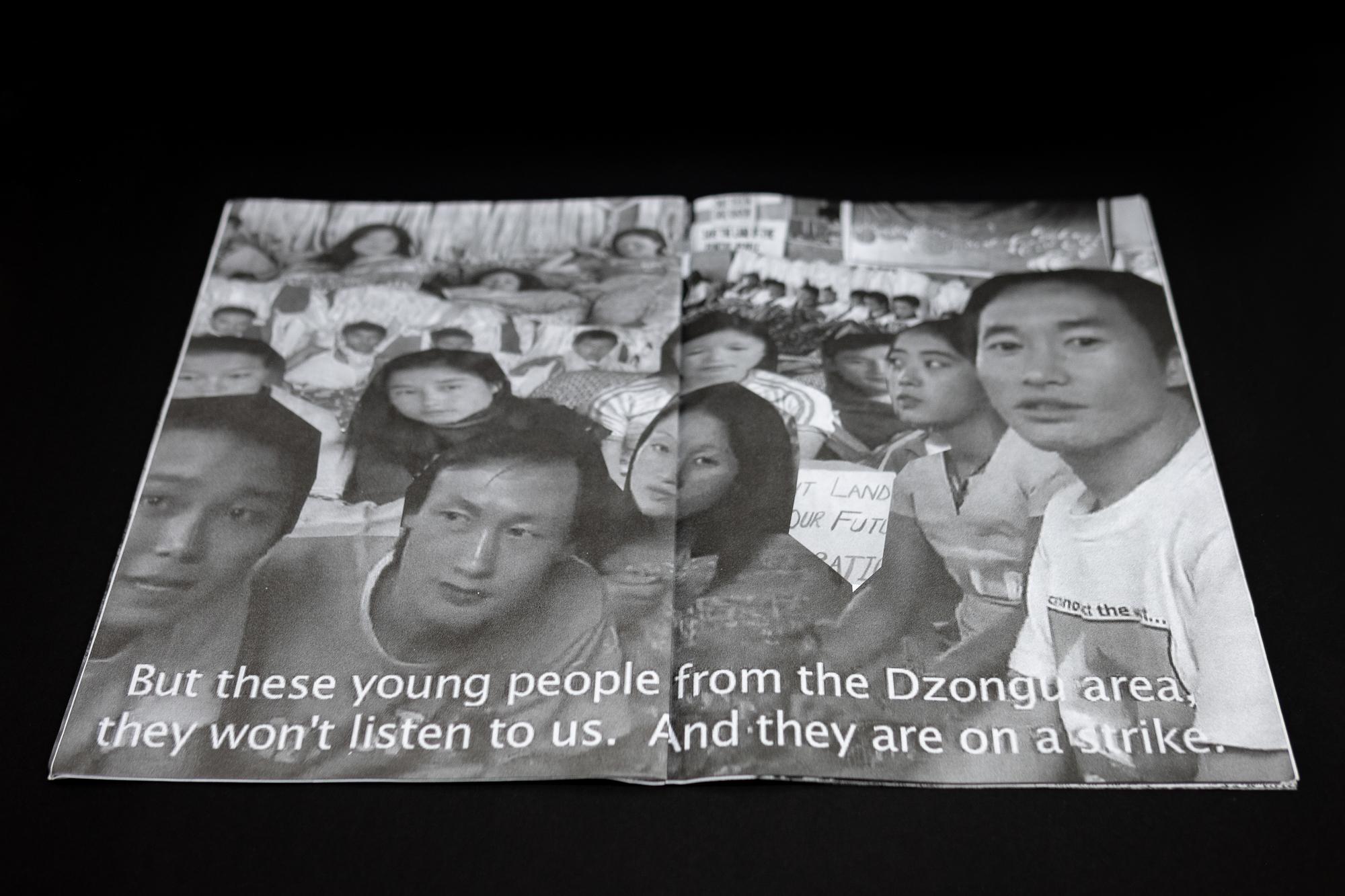
The larger body of work archives the “Save Teesta” movement, through the production of a zine titled Aachuley and a sonic piece displayed at the exhibition apart from portraits of those involved. Initiated in 2004, the movement was headed by the people from Dzongu Valley and activists from the Affected Citizens of Teesta (ACT). While five out of six proposed hydroelectric projects were scrapped following their relay hunger strike which lasted from 2007 to 2009, the fight against the remaining two projects is ongoing. However, the ecological disaster made inevitable by such projects occurred with the Glacial Lake Outburst and Flood following the rupture of the South Lhonak glacial lake in North Sikkim, which took place on 4 October 2023. The deluge engulfed the Teesta Stage III dam, resulting in the overwhelming loss of life and livelihoods. Lepcha’s images capture the aftermath of this event, where the landscape appears both as subject and mise-en-scène in his work. One is presented with surreal images in which bodies and beings become projectors of light, appearing as a spectral presence. The series takes on an ethereal quality as it draws on references to folk stories, myths and Lepcha cosmology.
As the artist reflects in his statement: “By drawing from oral traditions, ancestral knowledge and environmental movements like 'Save Teesta,' the work reflects on identity, resilience, myth and our sacred relationship with the land. It is an attempt to invocate the collective memory of our past, present and the unknown." This idea of the unknowable becomes evident in the sensoriality of Lepcha’s images, which create an unexplainable affective response within us. It cautions us to bear witness to the upheavals of the present, where the land speaks to us and asks us to listen to its cry.
To learn more about Kunga Tashi Lepcha, read Ankita Ghosh’s reflections on the Egaro Photo Festival and Veeranganakumari Solanki’s essay on the work of The Confluence Collective, of which Lepcha is a co-founder.
To learn more about Ravi Agarwal’s curatorial projects, watch episodes of In Person featuring walkthroughs by the curator of his shows Carbon (2024) at the 9th edition of SAF and New Natures: A Terrible Beauty is Born (2022) at the Goethe-Institut/Max Mueller Bhavan Mumbai. Also read Annalisa Mansukhani’s interview with Agarwal about the project Time as a Mother (2023) at the 8th edition of SAF.
All images from Children of the Snowy Peak (2019–ongoing) by Kunga Tashi Lepcha. Images courtesy of the artist.
Click on the image to view the album